
MY DALSTON
People. Place. Culture. Community.
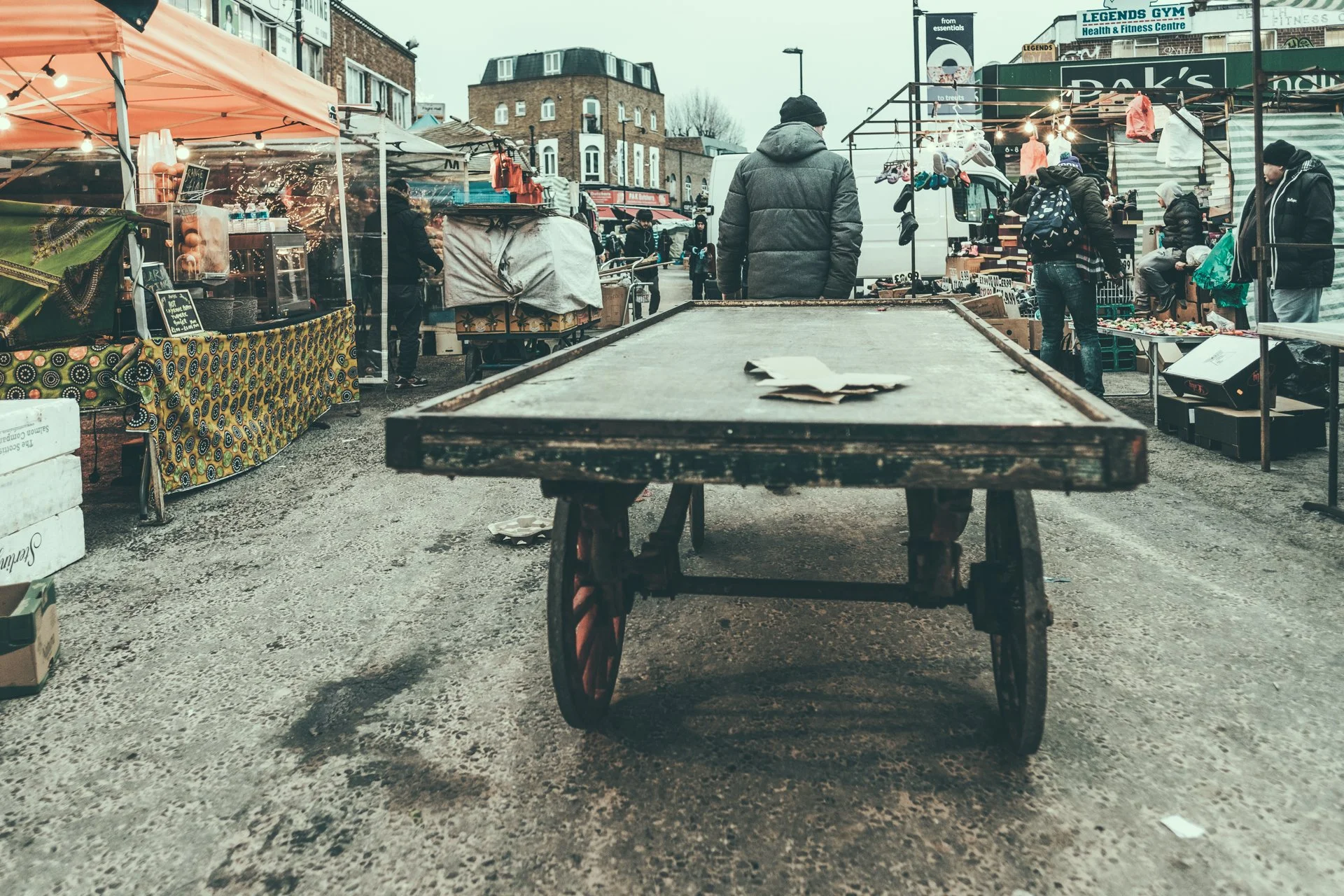
Dalston has been part of my life for as long as I can remember.
Growing up in East London, trips to Ridley Road Market were a familiar part of childhood. The sounds, smells and energy of the market were unmistakable. Caribbean produce, conversations between traders and customers, music drifting between the stalls and the constant movement of people going about their lives.
It was somewhere you could find a little piece of home, even when home was thousands of miles away.
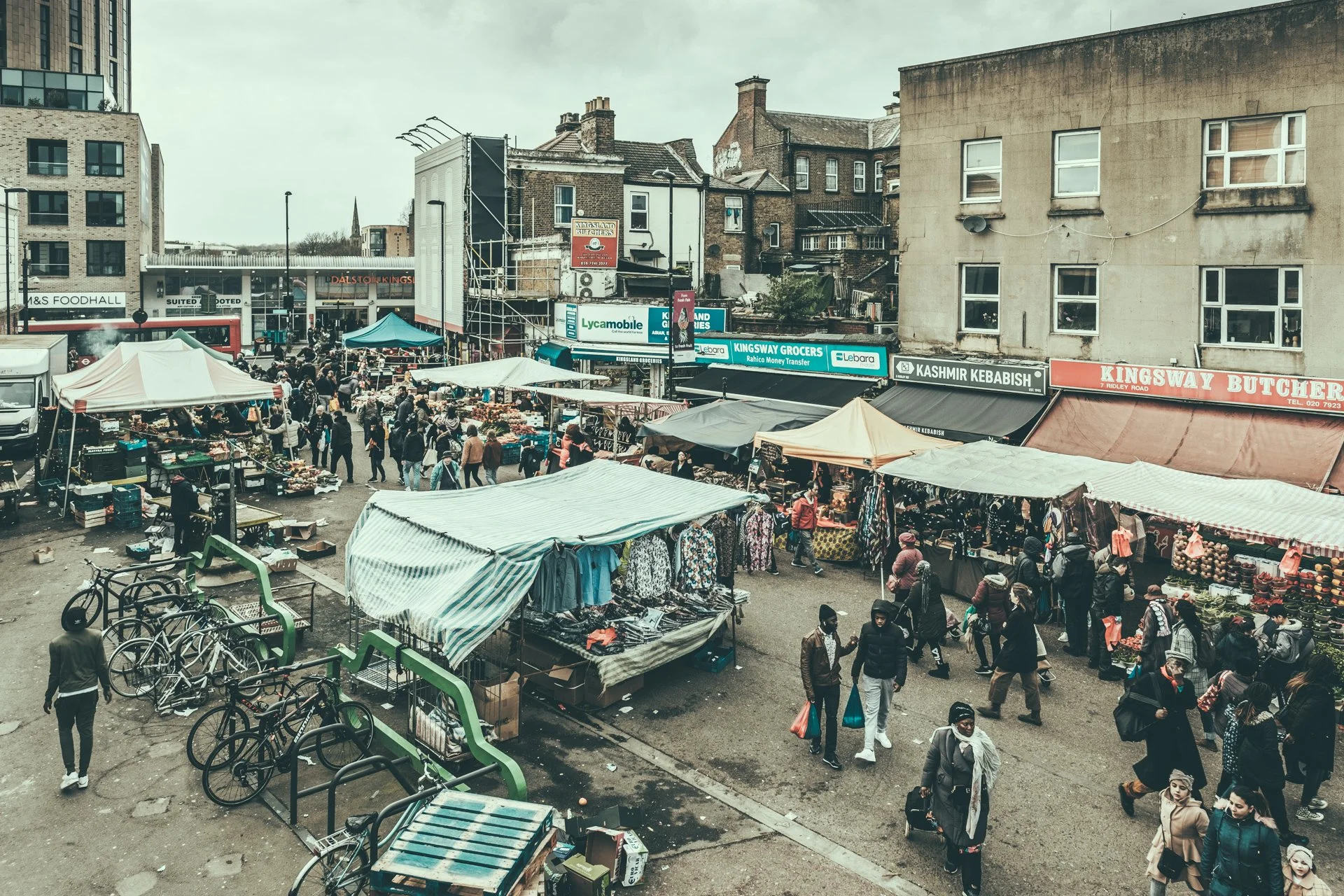
As I got older, my relationship with Dalston changed. During the 1980s and early 1990s, I experienced another side of the area through its clubs, sound systems and nightlife. Places such as the Four Aces, All Nations and Labyrinth introduced me to a different rhythm of Dalston, one shaped by music, culture and communities creating spaces of their own.
Years later, photography brought me back.
Through my involvement with Future Hackney, I began documenting the people, businesses and everyday experiences that give Dalston its character. What started as photographing a familiar neighbourhood developed into something more personal: conversations, friendships and stories that revealed the lives behind the faces.
Some of those people are no longer with us. Others continue to shape the community in remarkable ways.
My Dalston brings together these encounters, reflecting on a place that has continually changed while remaining deeply connected to the people who call it home.
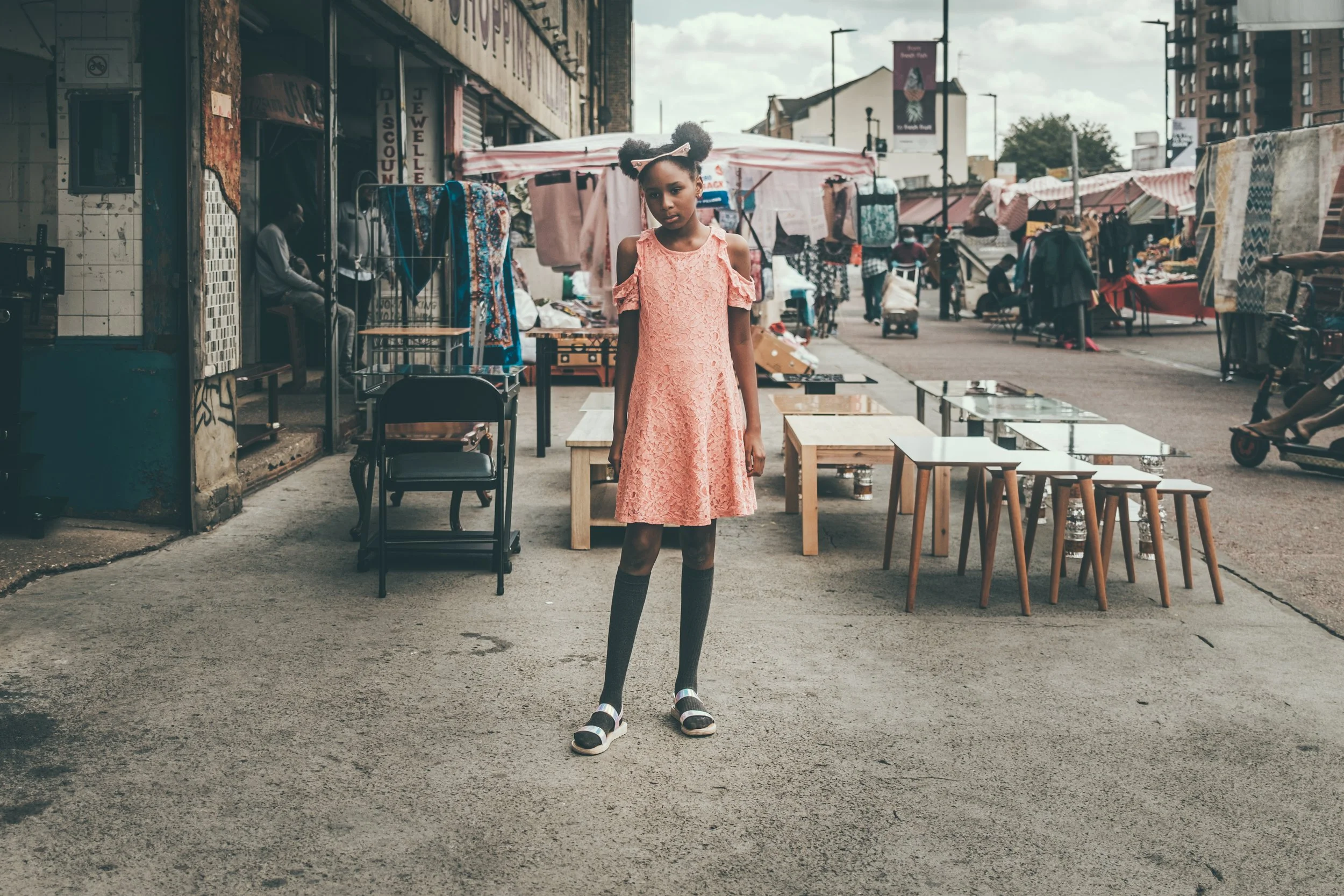
NINETTE
Ridley Road, Dalston | 2021
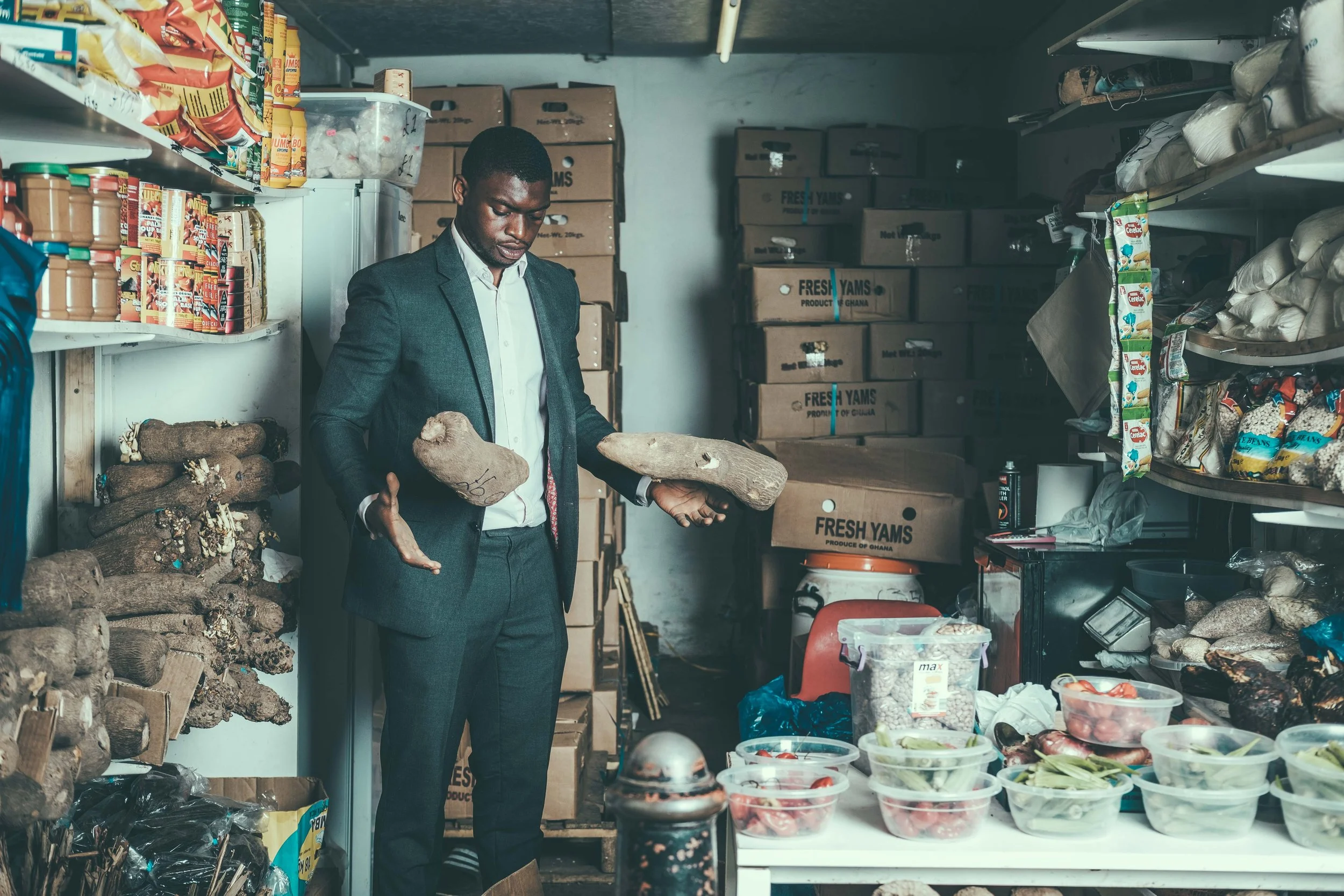
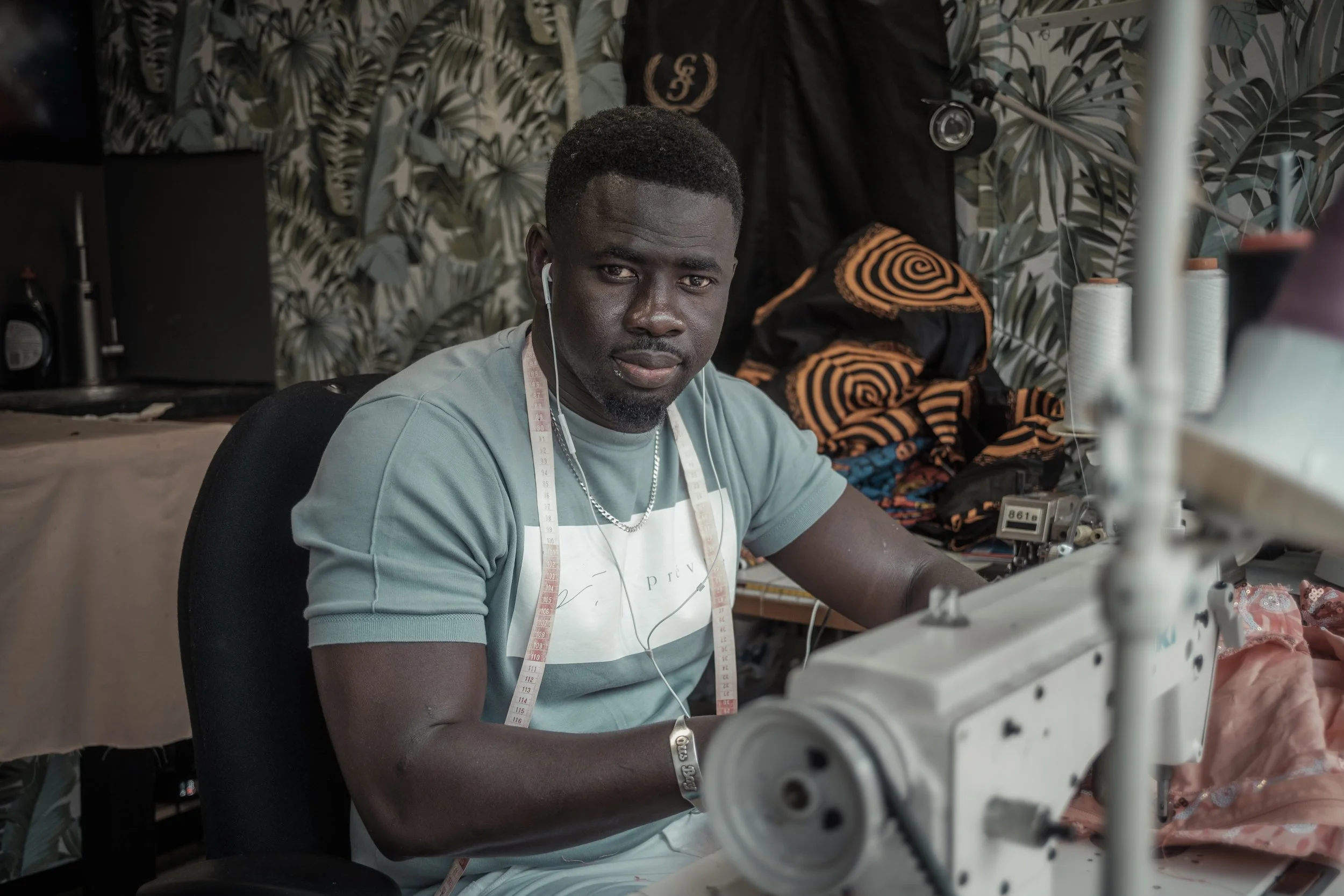
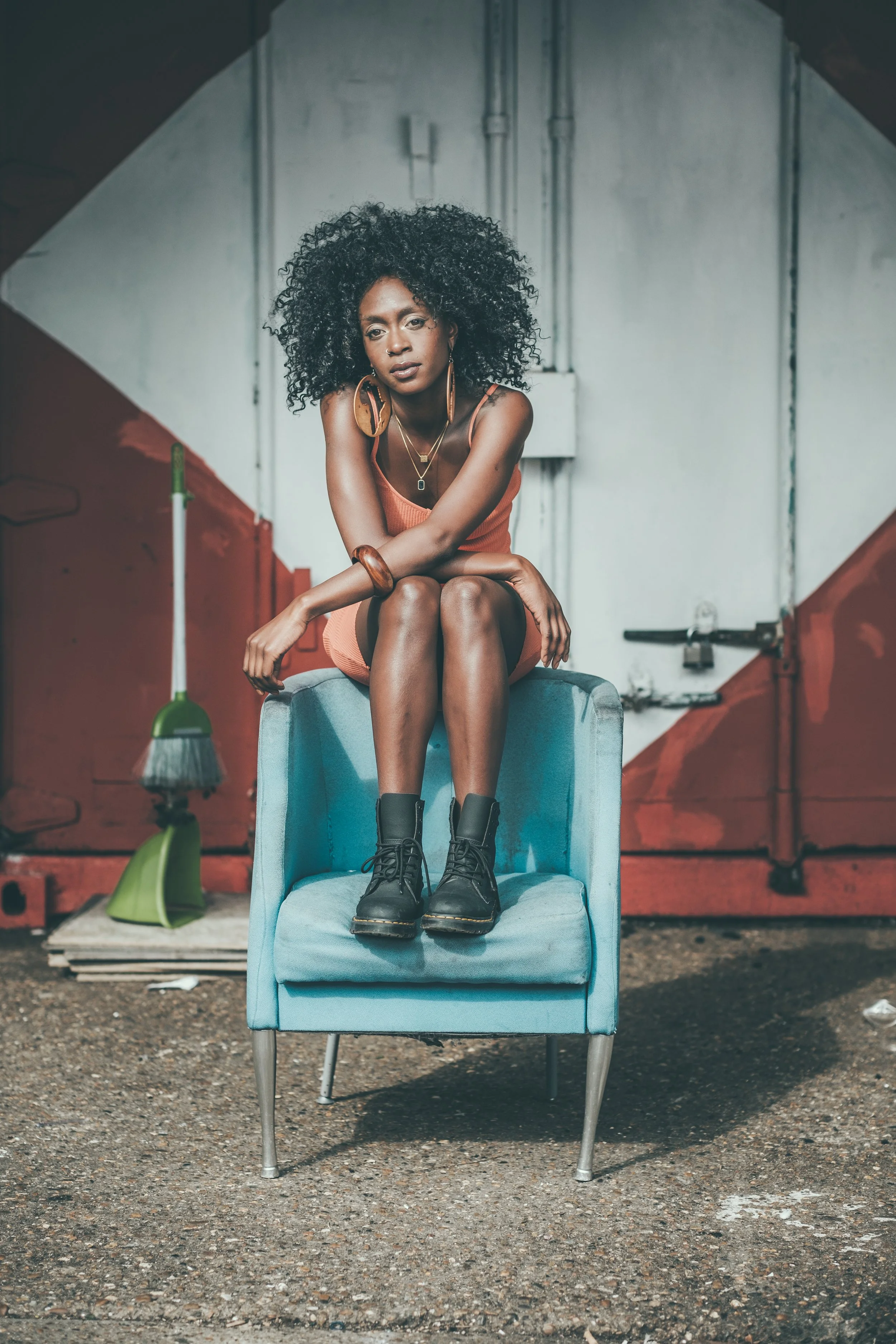
At the far end of Ridley Road Market is an informal trading and gathering space known locally as the containers. For Ninette, who grew up in Hackney but has never visited her parents' homeland of Ghana, this corner of Dalston offers something beyond shopping: a connection to her heritage.
“It comforts me coming here because I have never visited my parents’ homeland in Ghana and when I come here, it feels like it could be there.”
Ninette describes a place where people exchange goods, share music and gather around communal cooking. It's a space that reminds her of the Ghana she knows through her family, even though she has yet to experience it herself.
“People think it’s wild here, but it’s not wild, it’s free, it’s now, its Afrocentric culture.”
CYNTHIA
Ridley Road, Dalston | 2024
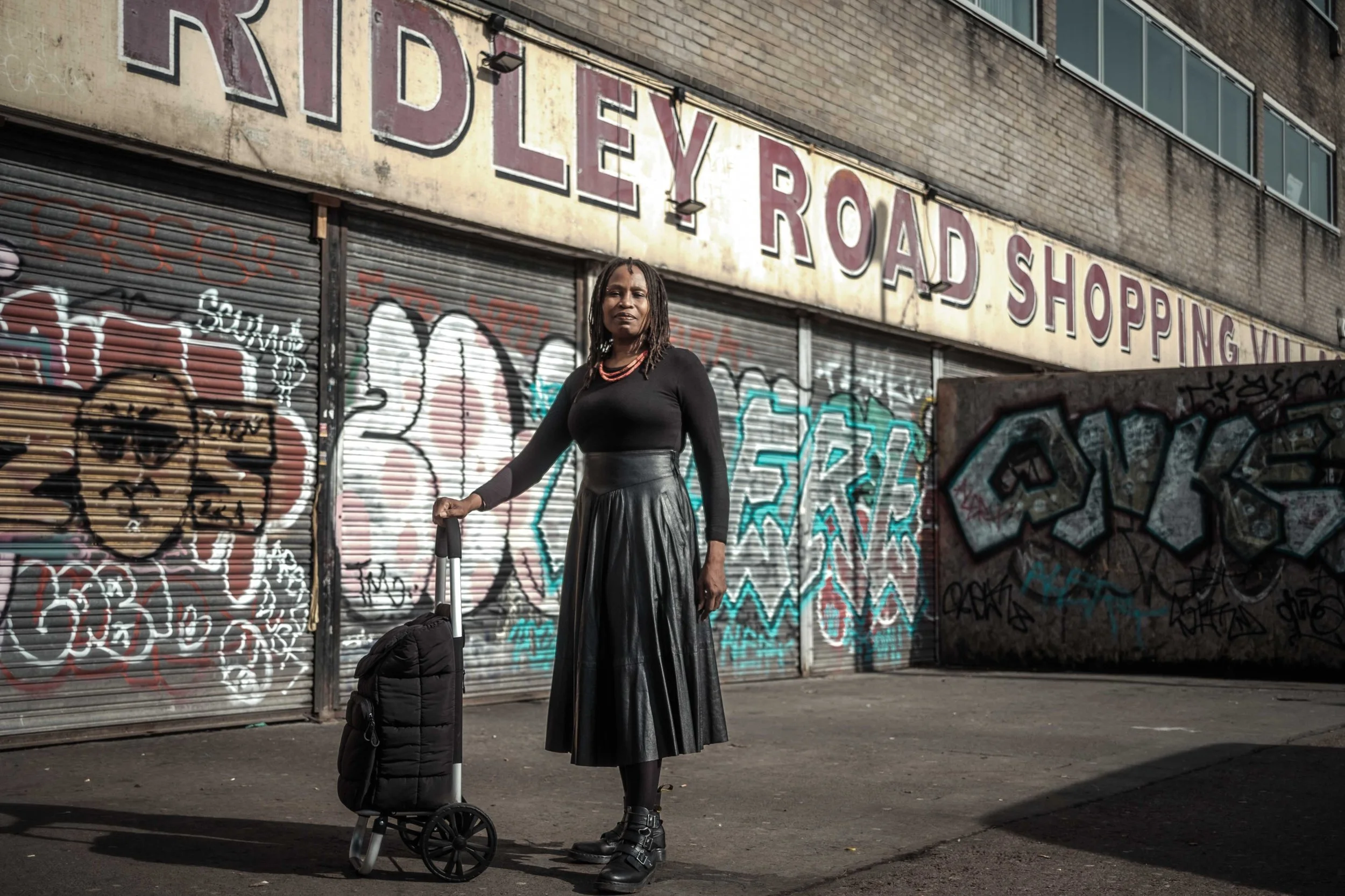
For Cynthia, Ridley Road Market holds memories stretching back to the 1960s, when Saturday shopping trips with her father, Clive Gilbert, and her three sisters were something of a family ritual.
“My story begins in the 1960’s with my dad Clive Gilbert, who would take us to Ridley Road in Dalston every Saturday and it was an event.”
Her father was a familiar face in Dalston. After the shopping, he would visit the music stalls to listen to the latest records. For Caribbean families building their lives in Britain, Ridley Road was more than a market. It was somewhere to meet familiar faces, hear familiar music and maintain connections to home.
But Cynthia's memories also carry an awareness of the challenges faced by her father's generation.
“They called it the motherland and they believed it. So, to come here and be treated so badly must have been shocking.”
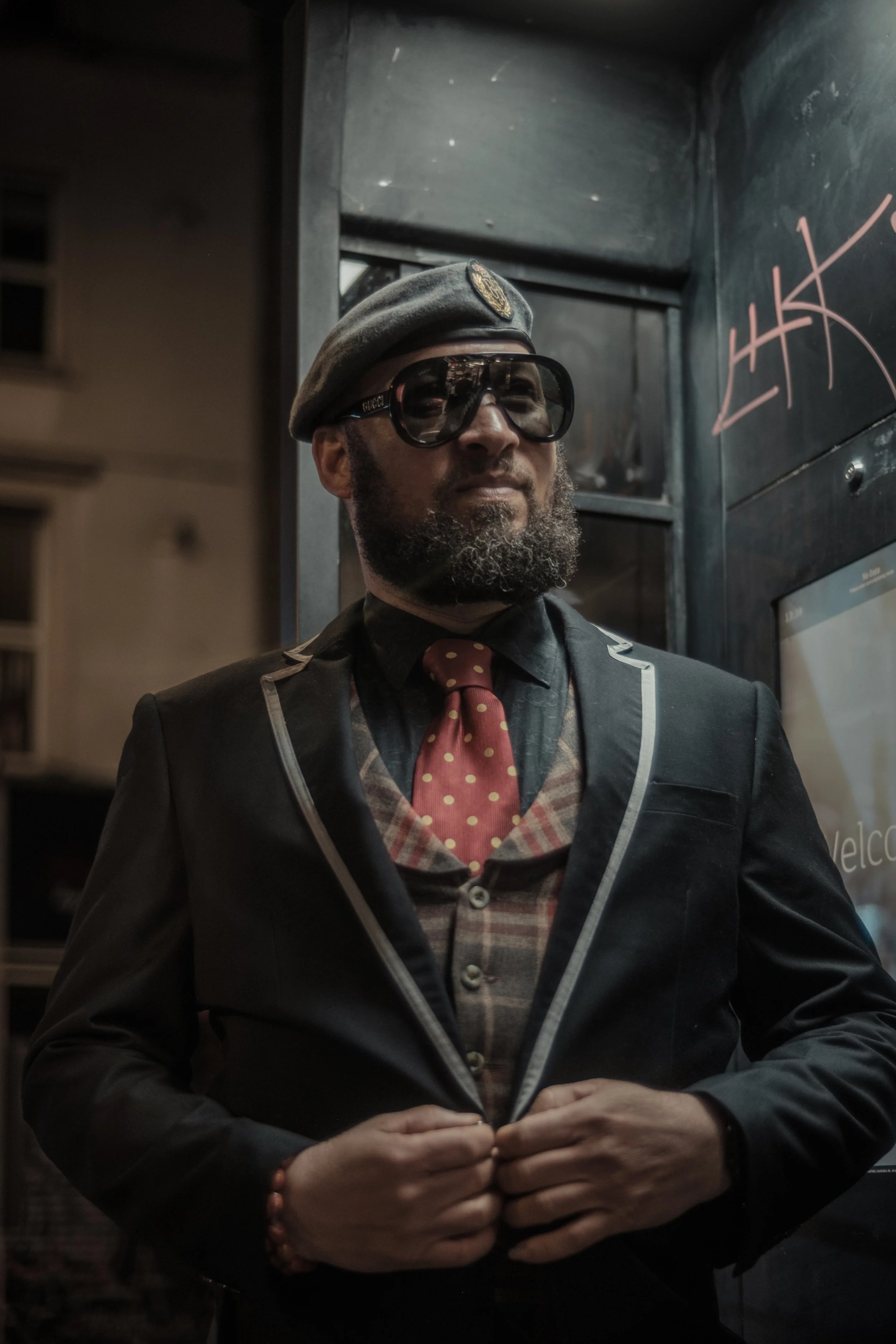
ABRAHIM
Good Life | Dalston | 2024
Abrahim arrived in London from Delta State in southern Nigeria in 2004, looking for a better life.
“I now find myself happy living in Dalston.”
For him, the neighbourhood's multicultural atmosphere, African culture and Ridley Road Market are what make it a place to call home.
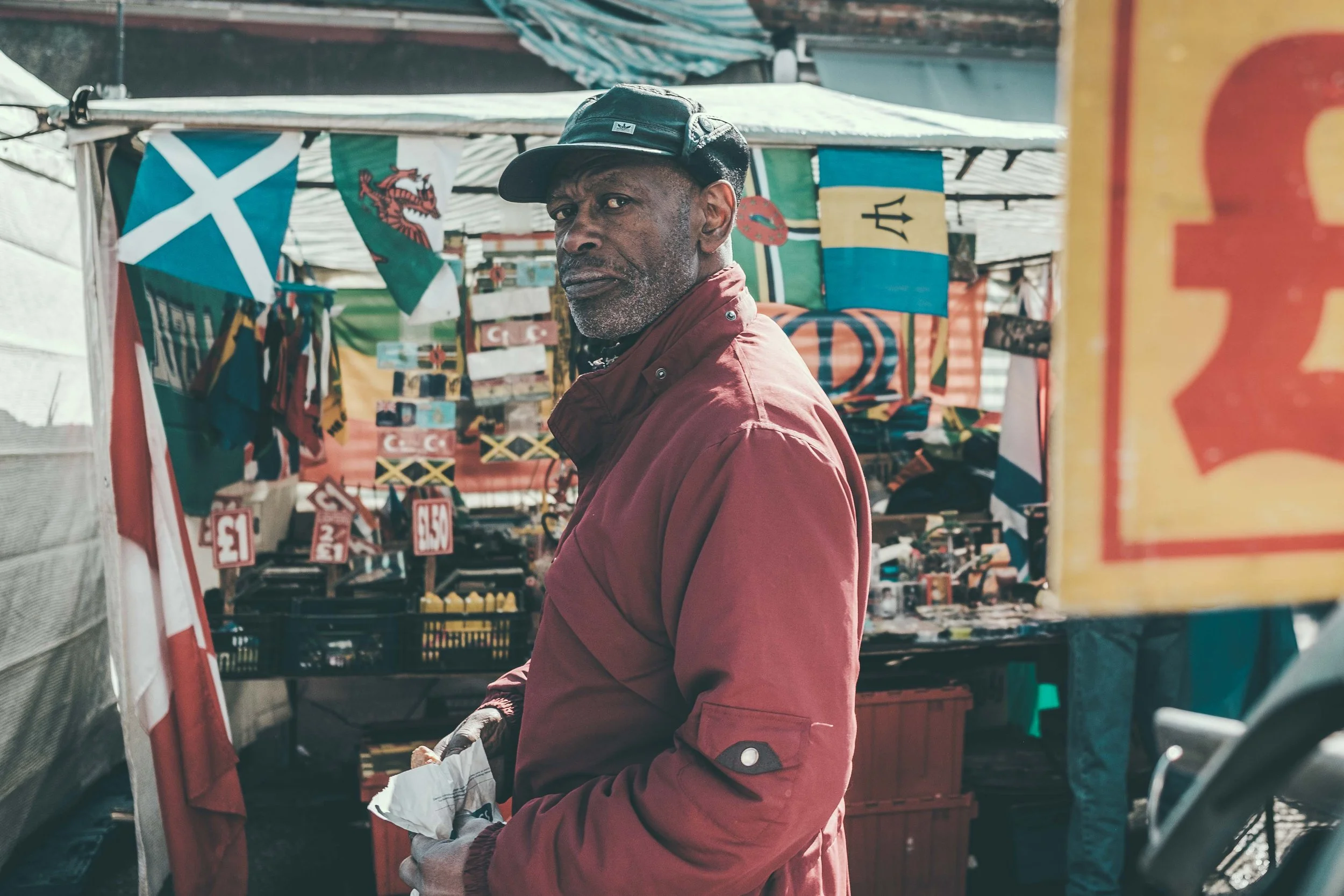
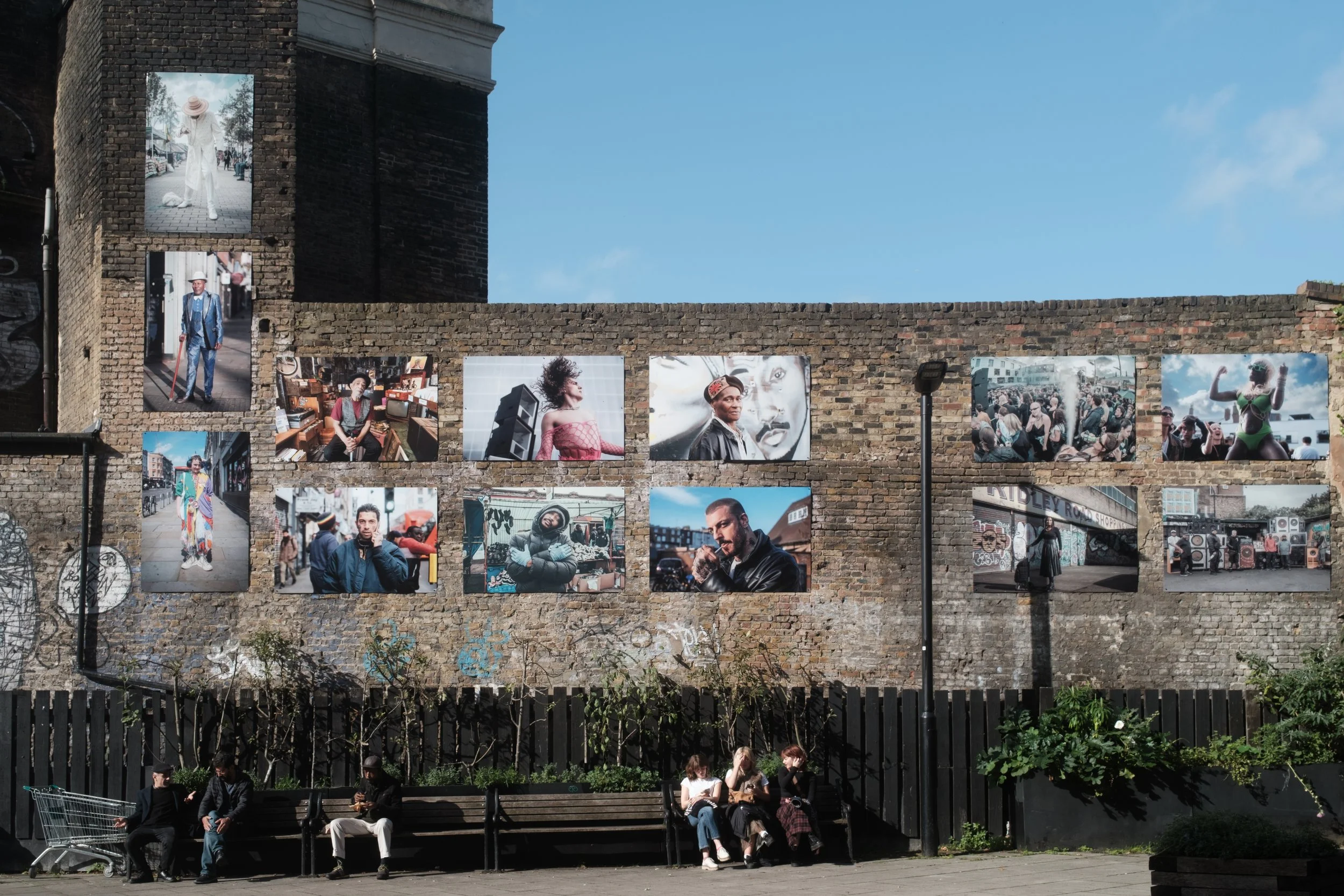
The Strip — Dalston Junction, October 2024–present
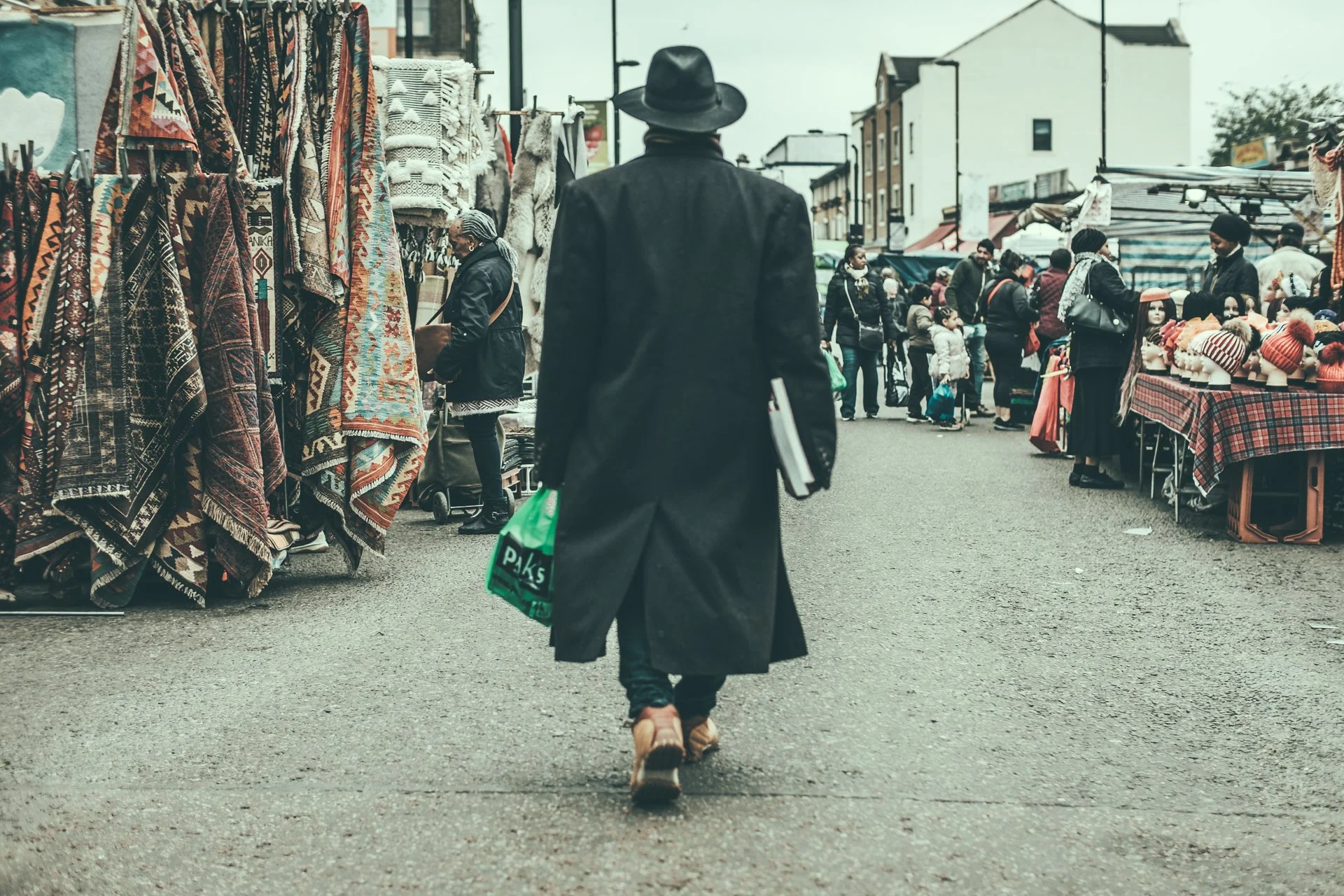
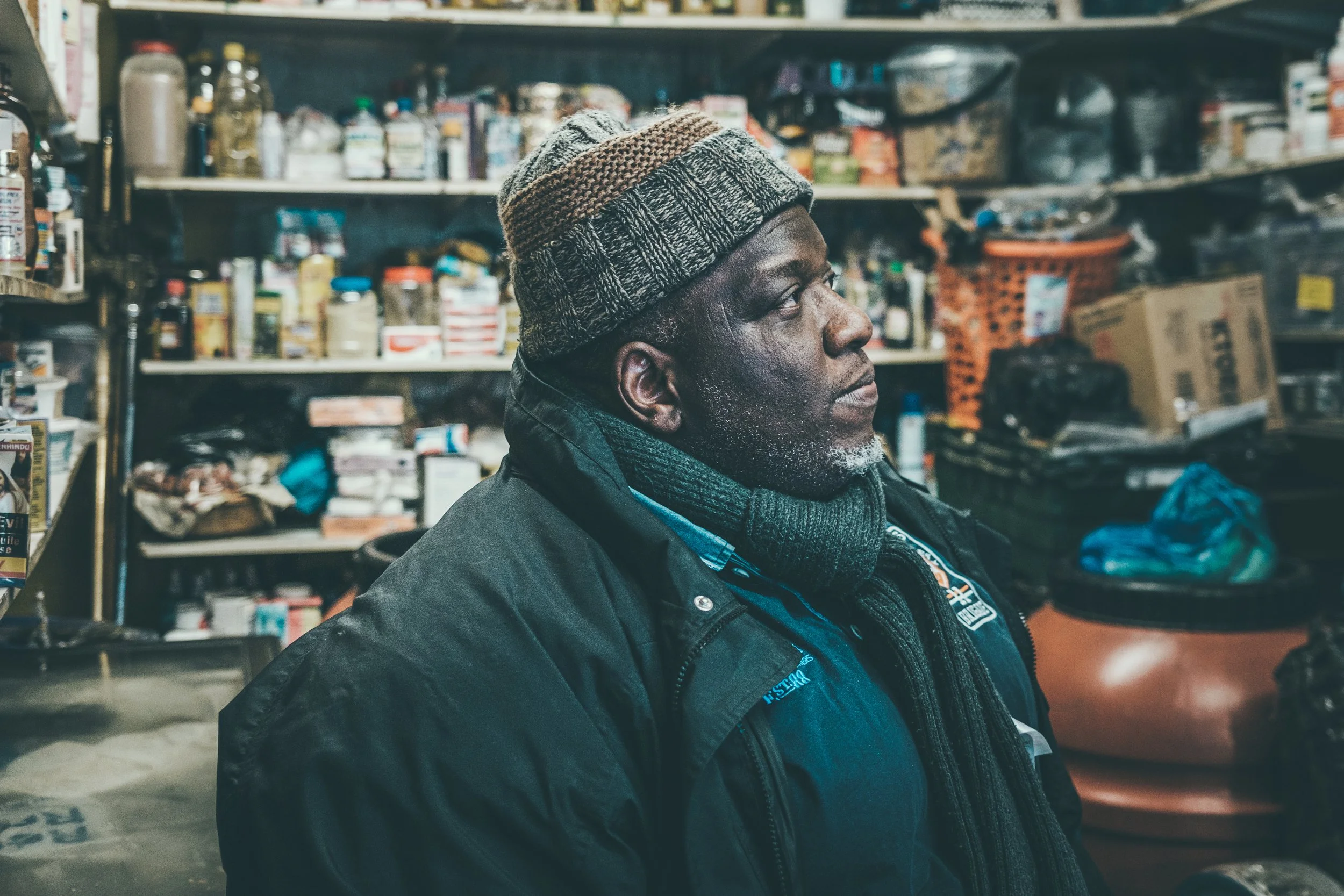
ABRAHAM
Ridley Road Market | Dalston | 2021
Abraham was one of the first traders I got to know when I began photographing Ridley Road Market.
His shop was always welcoming. There was usually 1980s soul music playing, and Abraham seemed rarely to be without a smile. I remember him cleaning large edible snails outside his shop, surrounded by the familiar sounds and activity of the market.
But what stayed with me most was his generosity.
Some of his customers struggled to make ends meet. Rather than turn them away, Abraham would allow them to take groceries on credit, carefully recording what they owed along the edge of his shop counter.
There was no computer system, no formal paperwork. Just a handwritten record and an understanding built on trust.
Abraham died during the COVID-19 pandemic in 2021.
I remember seeing flowers and condolence cards left outside his shuttered shop. They were a quiet reminder of how much one person could mean to a community.
For me, Abraham represented something that cannot be measured in the value of the goods he sold: kindness, dignity and the relationships that hold a neighbourhood together.
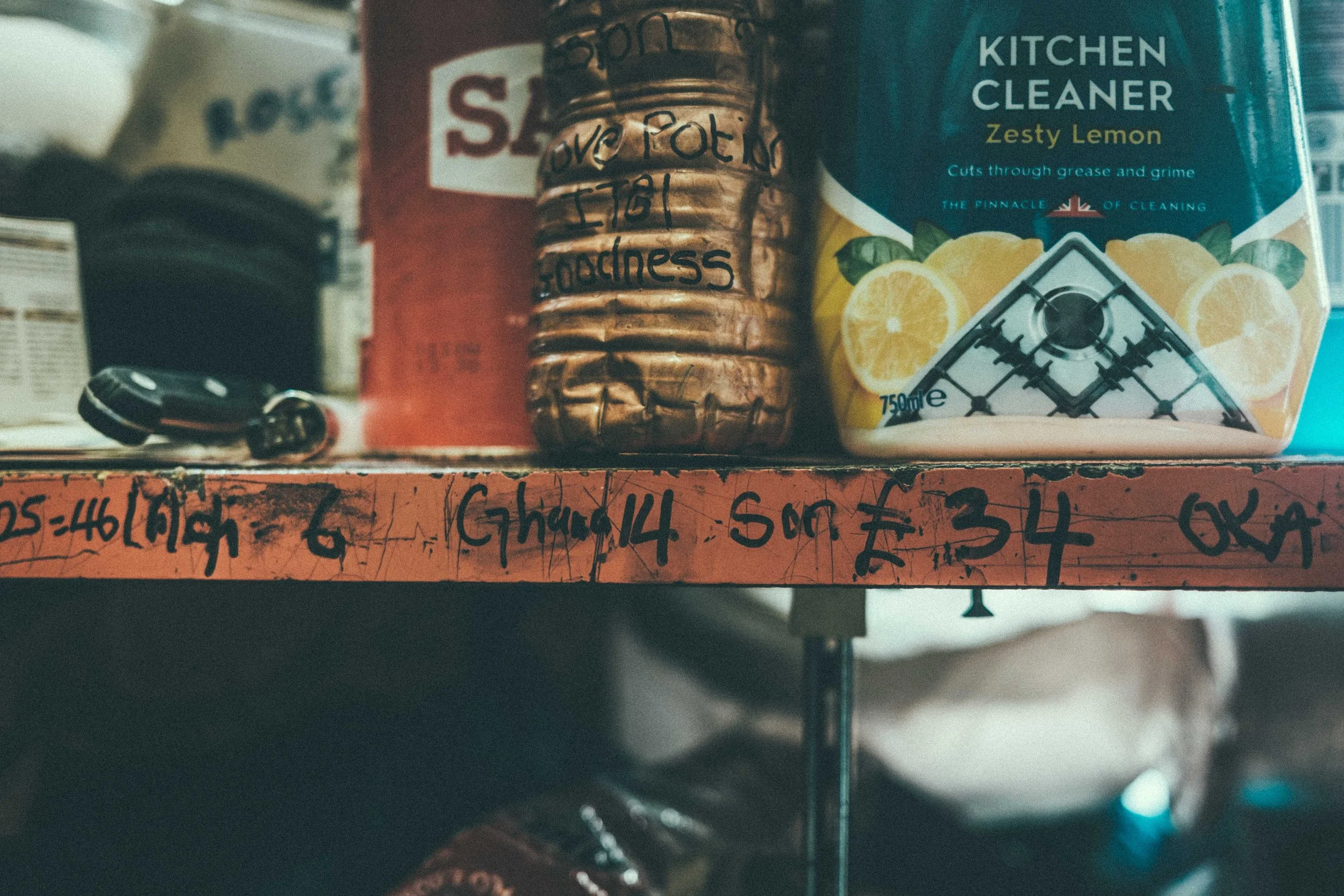
The handwritten credit records on Abraham's shop counter.
“Don't disrespect anybody. Respect is better, so that you can live long.”
— Abraham, Ridley Road Market
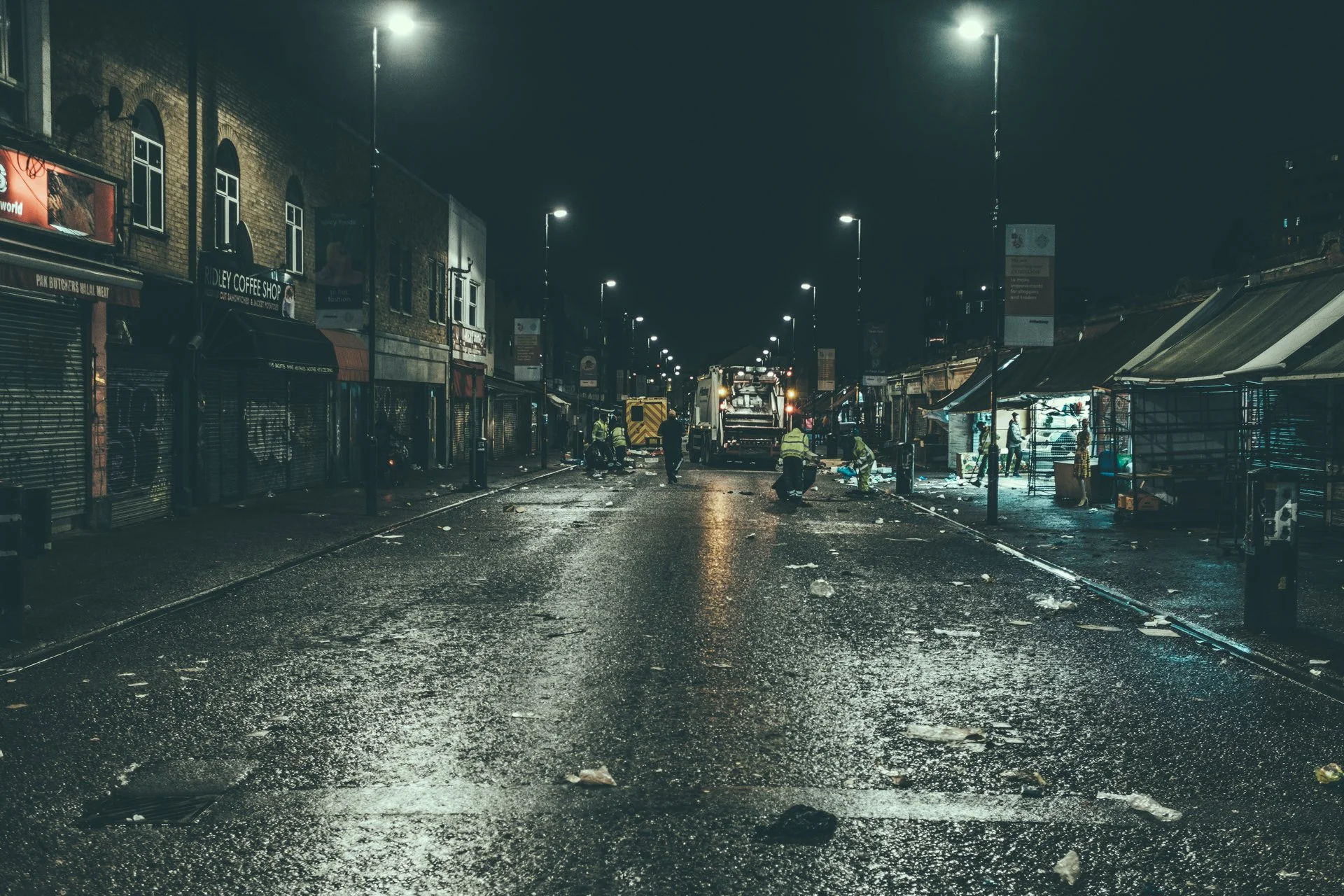
Ridley Road Market, after dark | 2019
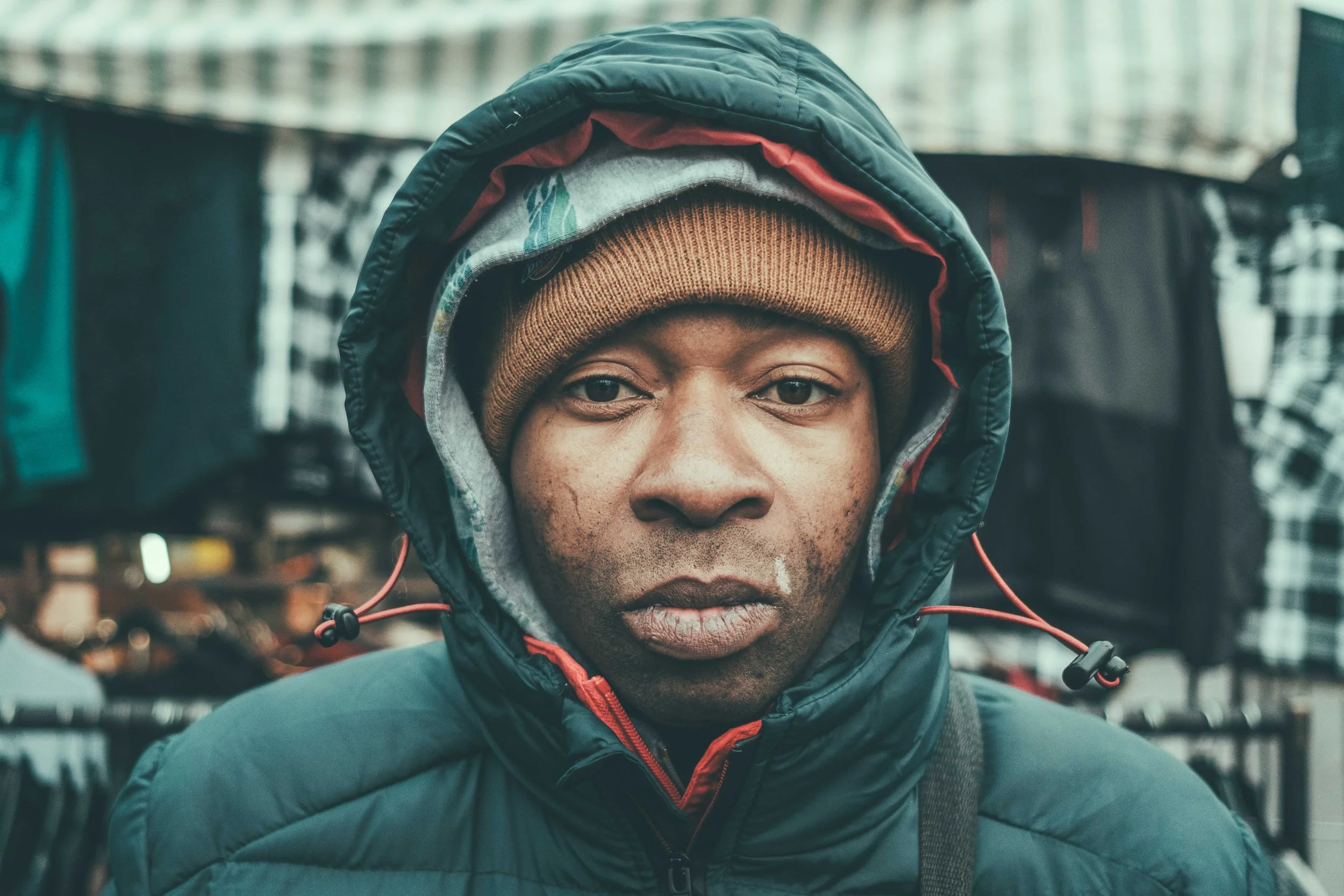
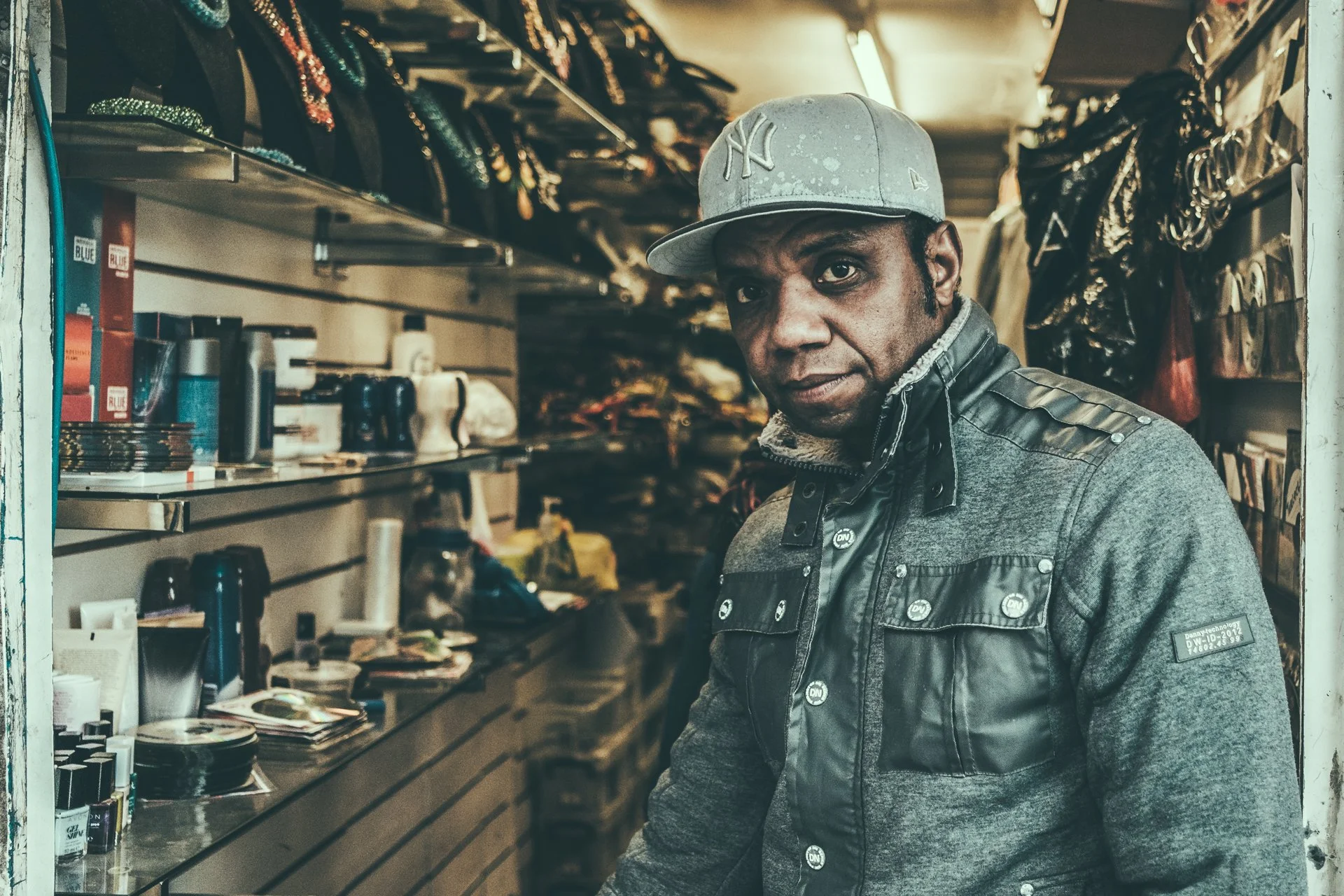
Dre was one of the first traders I photographed on Ridley Road. Selling perfume at the market, he was never short of an opinion, whether discussing what was happening locally or events further afield.
His portrait became part of our The Strip exhibition, accompanied by a reflection on the history of Black music and social spaces in Hackney.
During the 1960s and 1970s, West Indian communities faced considerable social exclusion. House parties, clubs and informal gathering places became important spaces where people could come together, enjoy music and create opportunities for themselves.
These gatherings were about more than entertainment. They supported an informal economy of promoters, musicians, food vendors and other creatives, while strengthening community connections.
Many of the Black-owned venues that once helped define Hackney's cultural identity have since disappeared.
Dre | Ridley Road Market | Dalston | 2019
The buildings may change, but the stories of the people who brought them to life deserve to remain.
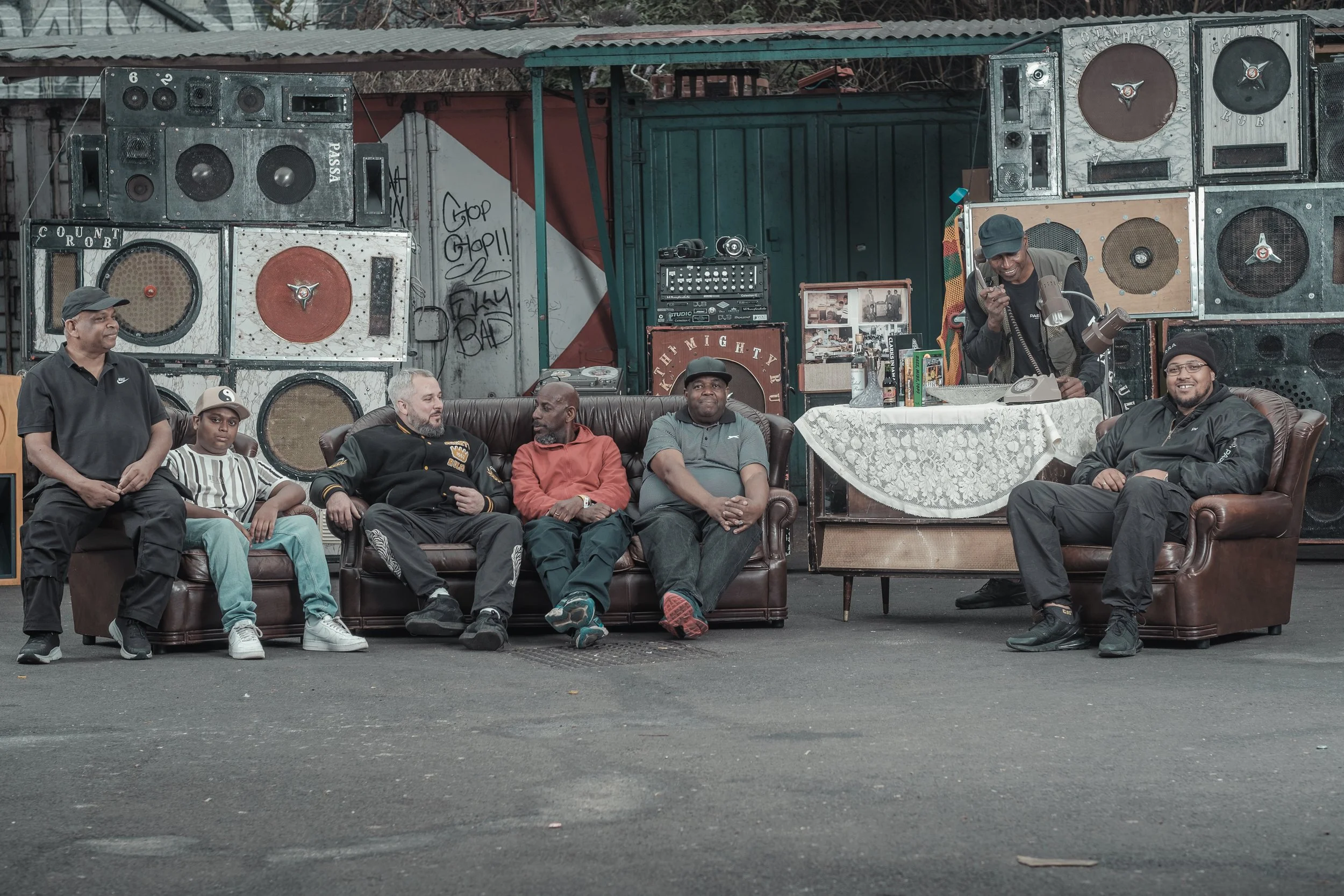
MIGHTY RULER
Ridley Road Market, Dalston | 2024
A West Indian living room, recreated in the heart of Ridley Road Market.
When I photographed Mighty Ruler in 2024, I wanted to create something that reflected more than the history of a sound system.
I remembered the living rooms of West Indian households during the 1970s and 1980s. The three-piece suites, the sideboards covered with lace doilies and, of course, the telephone with its long, tangled cord.
So I decided to bring that living room outside.
At the containers on Ridley Road, we arranged the furniture, positioned the group and stacked their enormous speaker cabinets behind them.
The result was a deliberately constructed portrait that brought together two worlds: the intimacy of the Caribbean home and the powerful public culture of the sound system.
For me, this photograph is about more than music. It's about memory, belonging and the cultural spaces that helped shape a community.
The story of Mighty Ruler reaches back to an earlier generation of London's sound-system culture.
Originally associated with Count Rob, the sound system was part of a musical tradition that brought communities together through reggae, sound clashes and dances. Its history also connects with Dalston, where Black-owned businesses, record shops and music venues helped shape the area's cultural identity.
During the COVID-19 pandemic, the surviving sound-system equipment was acquired through an eBay purchase. What initially appeared to be old equipment turned out to be something much more significant.
The group recognised its historical value and set about restoring it, returning the sound system to use rather than allowing it to disappear into storage
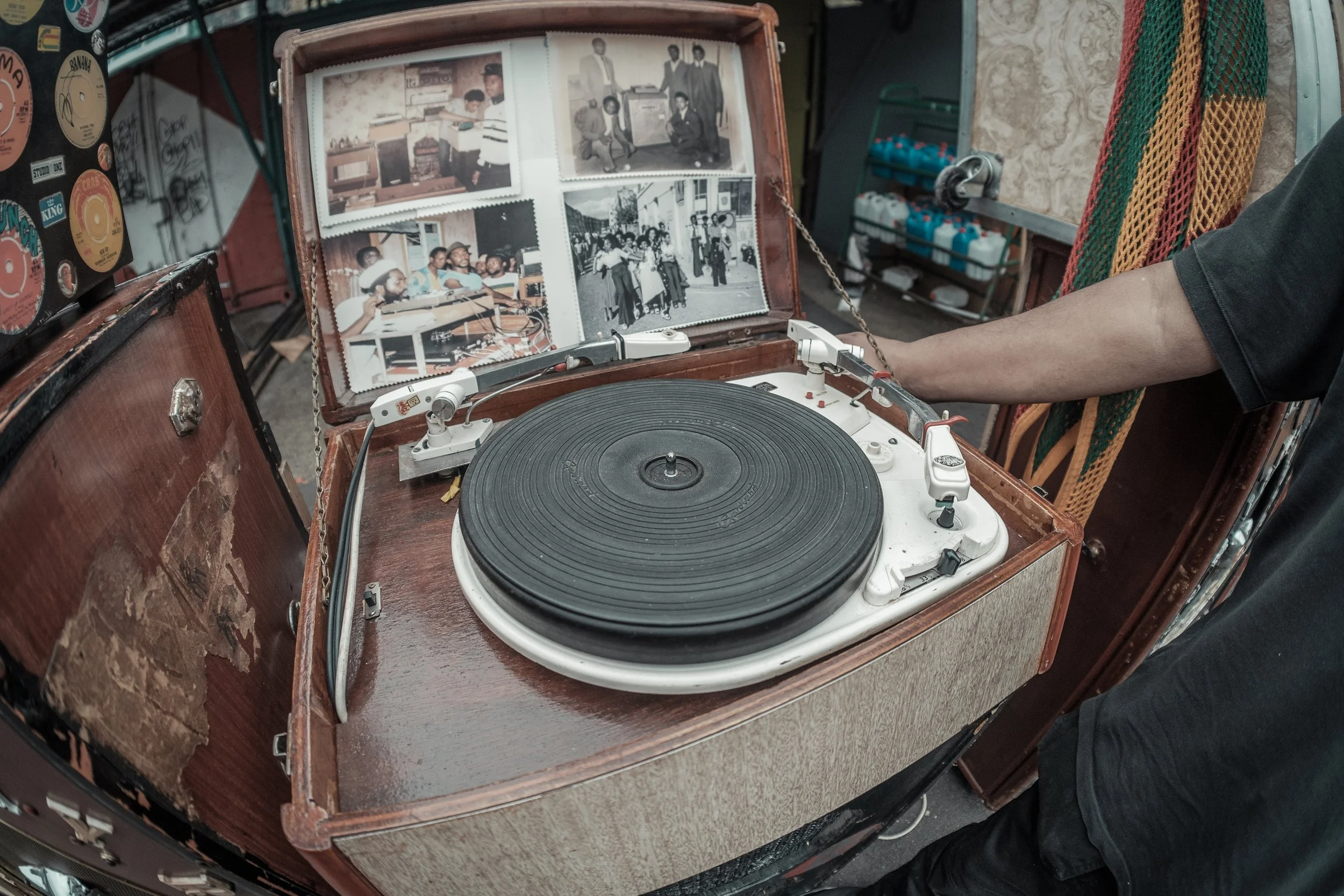
There was a personal connection to Dalston, too. Little Andy, who helped bring Mighty Ruler back to life, recalled being a resident DJ at the legendary Four Aces nightclub, one of the venues I remember from my own younger days.
For those involved, preserving Mighty Ruler isn't simply about keeping old speaker cabinets working. It's about ensuring that another generation understands the culture, ingenuity and community that created them.
"The younger generation needs to know where this all started from."
— Little Andy, Mighty Ruler
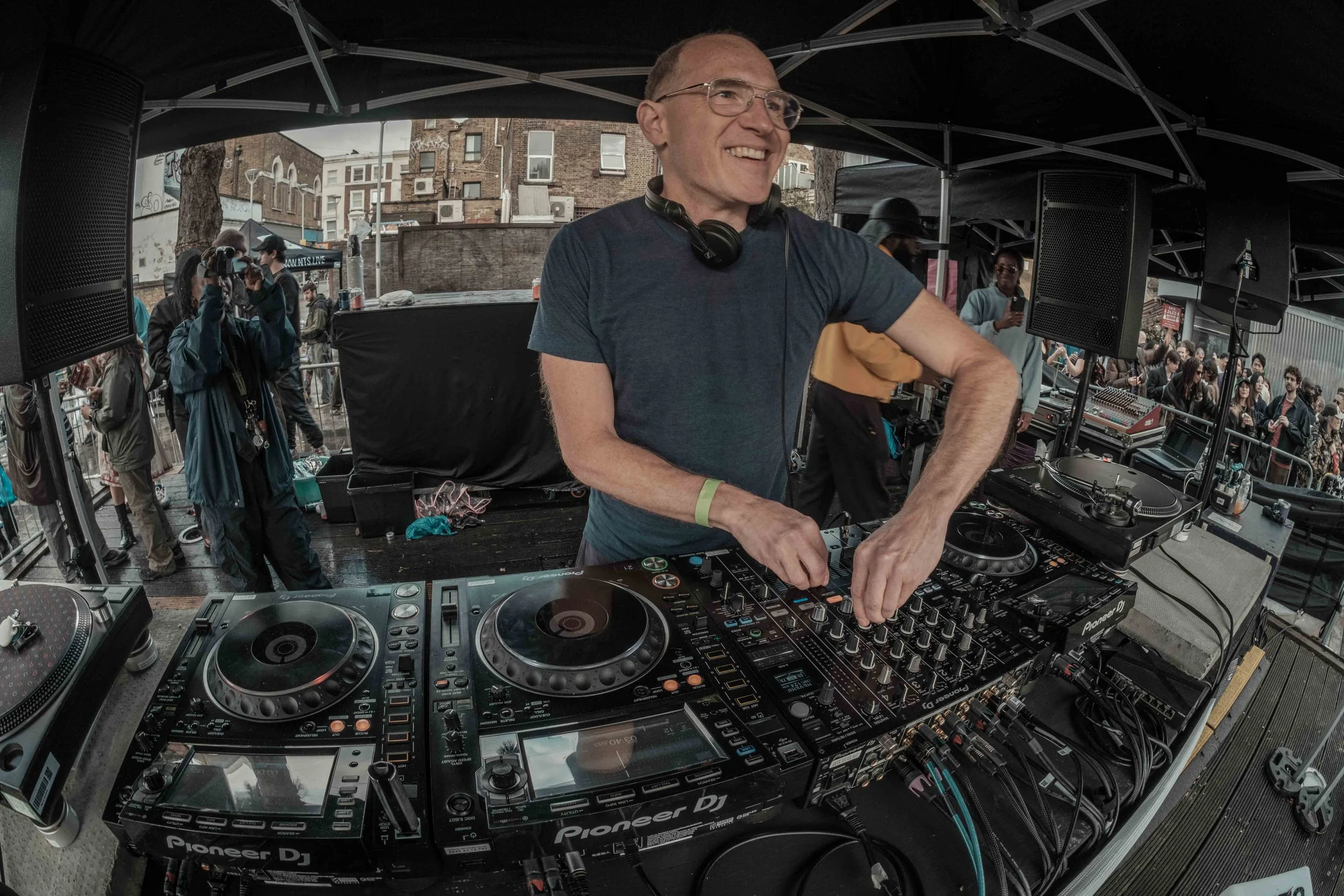
NTS | Gillett Square, Dalston | 2024
GILLETT SQUARE — A SPACE FOR EVERYONE
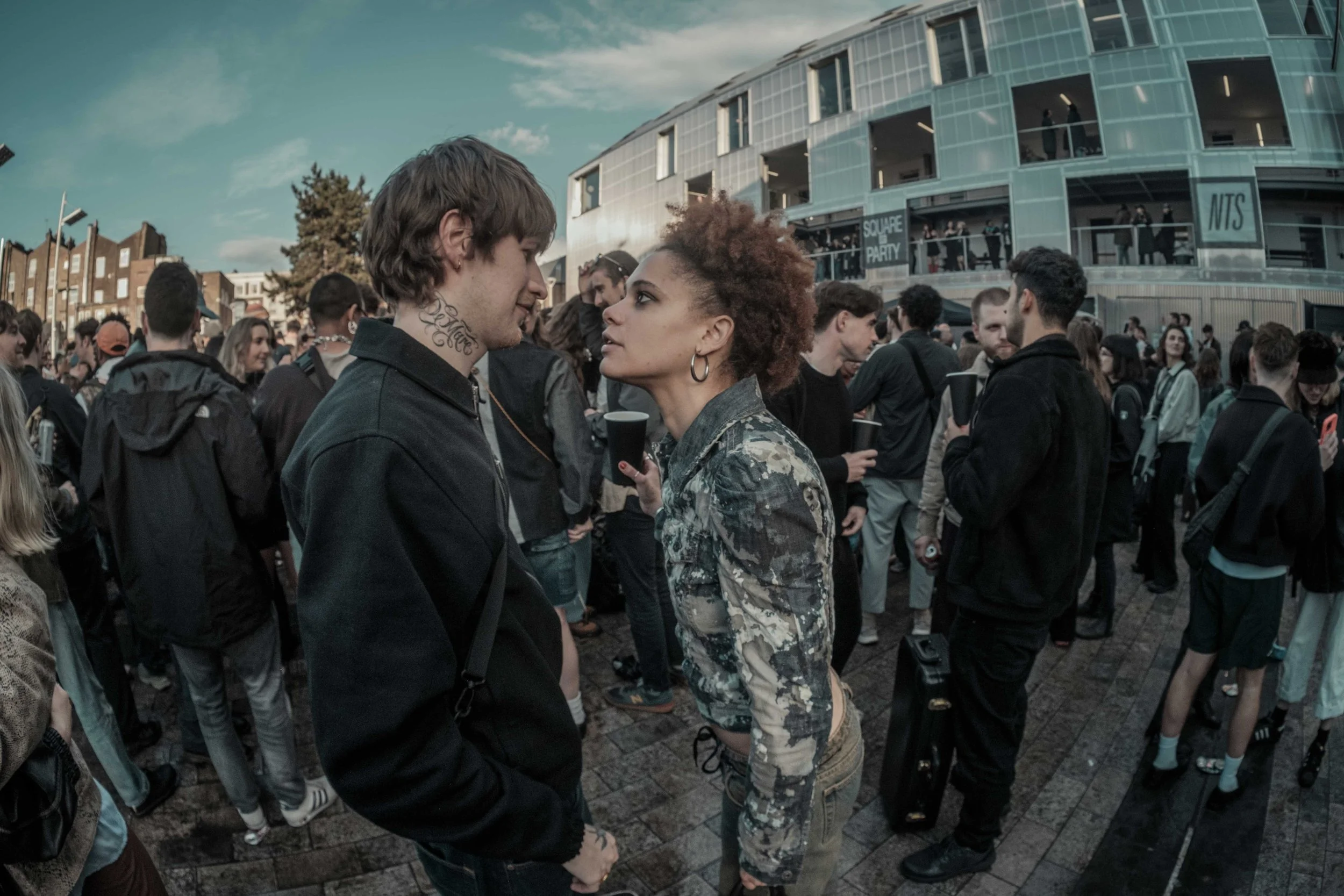
Once a car park, Gillett Square has become one of Dalston's most distinctive public spaces. Officially opened in 2006, it has evolved into a meeting place where different generations, cultures and communities come together.
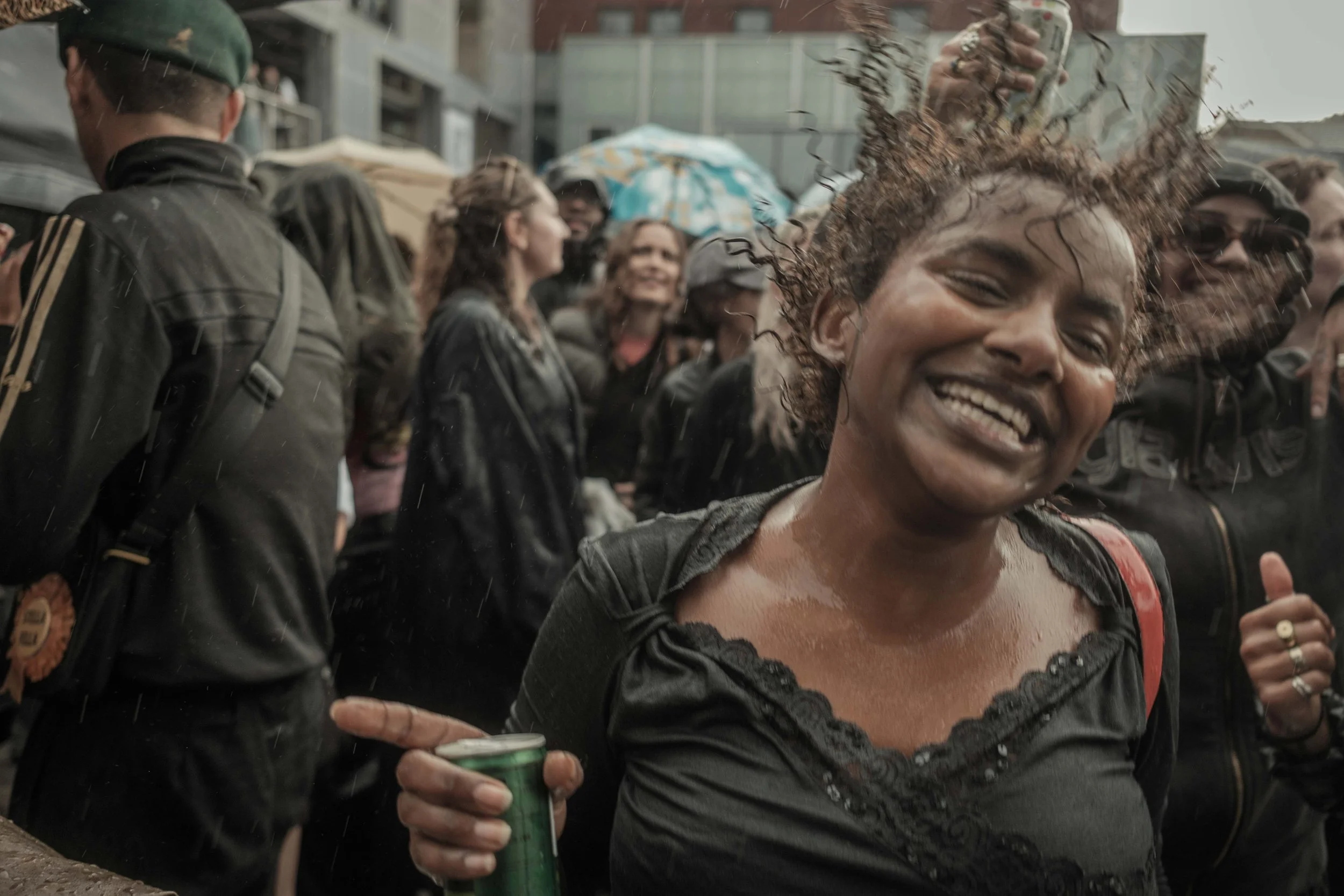
On any given day, the square might belong to skateboarders, families, people playing dominoes or those simply passing the time. At other moments, music takes over.
With the Vortex Jazz Club overlooking the square and a history of grassroots cultural activity, Gillett Square reflects something that has long defined Dalston: the ability of communities to create their own spaces for expression and connection.
Photographing NTS here brought that energy into focus. The DJs, the crowd and the music transformed an ordinary public space into a shared experience.
For me, it was another reminder that Dalston's cultural identity isn't confined to buildings or established venues. It lives in the people who continue to occupy and shape its public spaces.
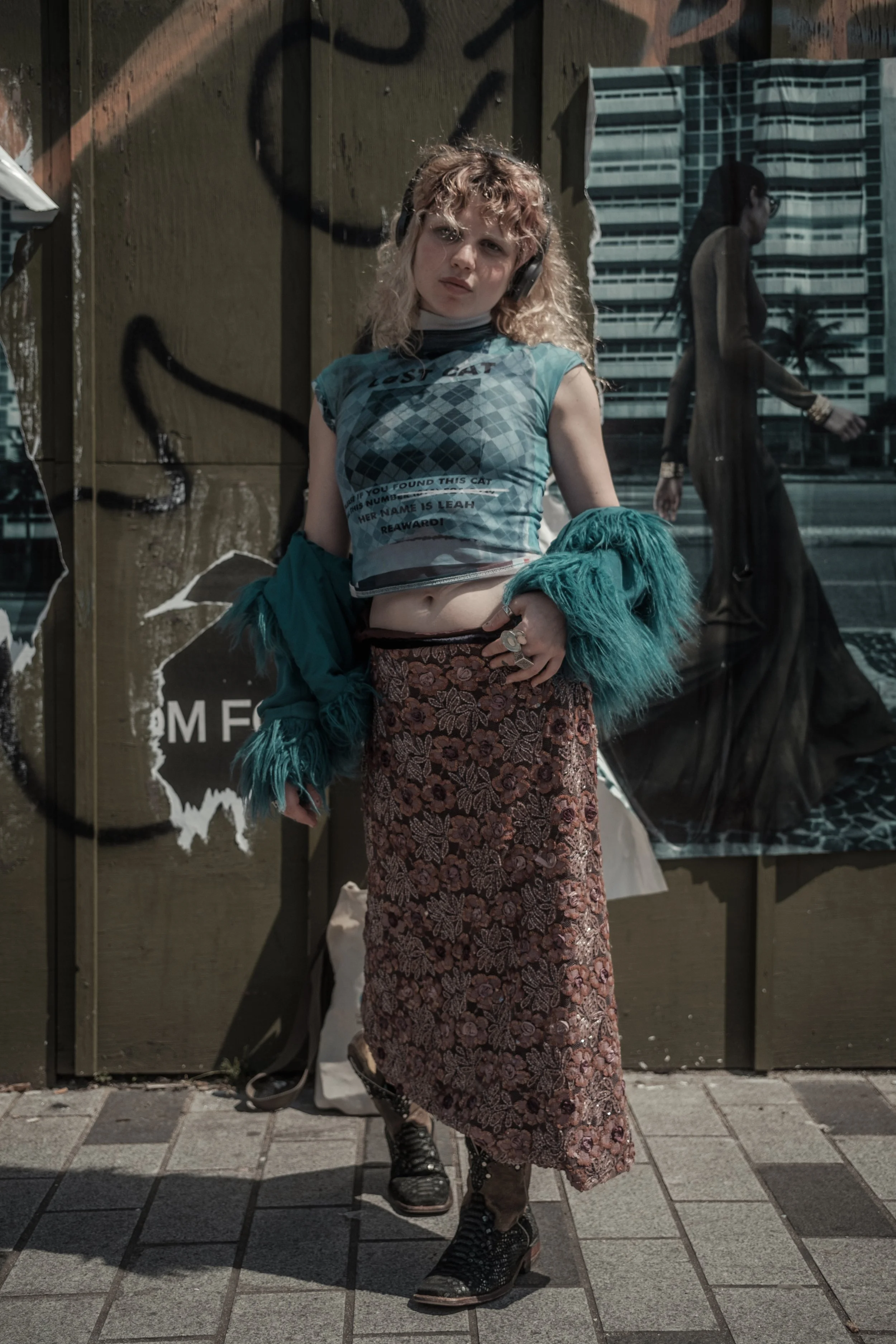
After the Night Out | Dalston | 2024
A PLACE TO BE YOURSELF
Dalston has always attracted people who aren't particularly interested in blending into the background.
Its streets are a meeting place for different cultures, generations and identities, where individuality often becomes part of the neighbourhood's visual character.
I photographed this young woman in 2024 as she was making her way home after a night out. Her outfit immediately caught my attention, particularly the striking turquoise sleeves.
It was one of those spontaneous encounters that reminds me why I love street photography. Sometimes a photograph doesn't need a complicated story. It's simply about recognising a moment, making a connection and capturing someone exactly as they choose to present themselves.
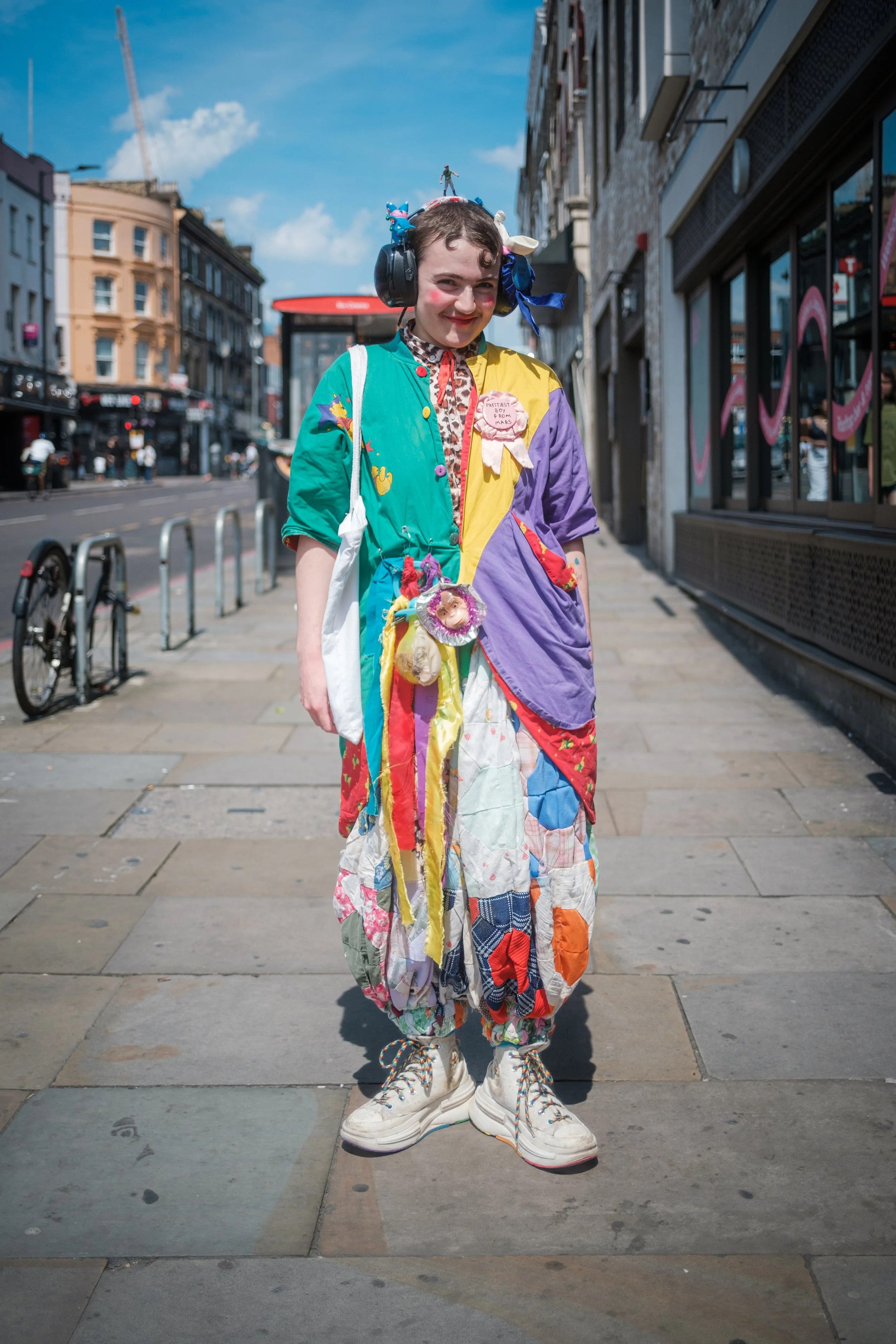
Andy | Dalston High Street | 2024
ANDY
Dalston High Street
Dalston has always been a place where individuality finds room to express itself.
I first noticed Andy walking along Dalston High Street. His colourful clothing and flamboyant style immediately caught my attention. He had a presence that was difficult to ignore.
But appearances can be deceptive.
Despite his striking appearance, Andy was surprisingly shy and initially reluctant to have his photograph taken.
We started talking, and as the conversation developed, so did a sense of trust. Eventually, he agreed to let me make his portrait.
What stayed with me was the contrast between his outward expression and the quieter person I encountered.
It's easy to assume that someone who dresses boldly must also be confident in front of a camera. Andy reminded me that individuality isn't necessarily about seeking attention. Sometimes, it's simply about being comfortable expressing who you are.
For me, this portrait is as much about the connection between photographer and subject as it is about personal style.
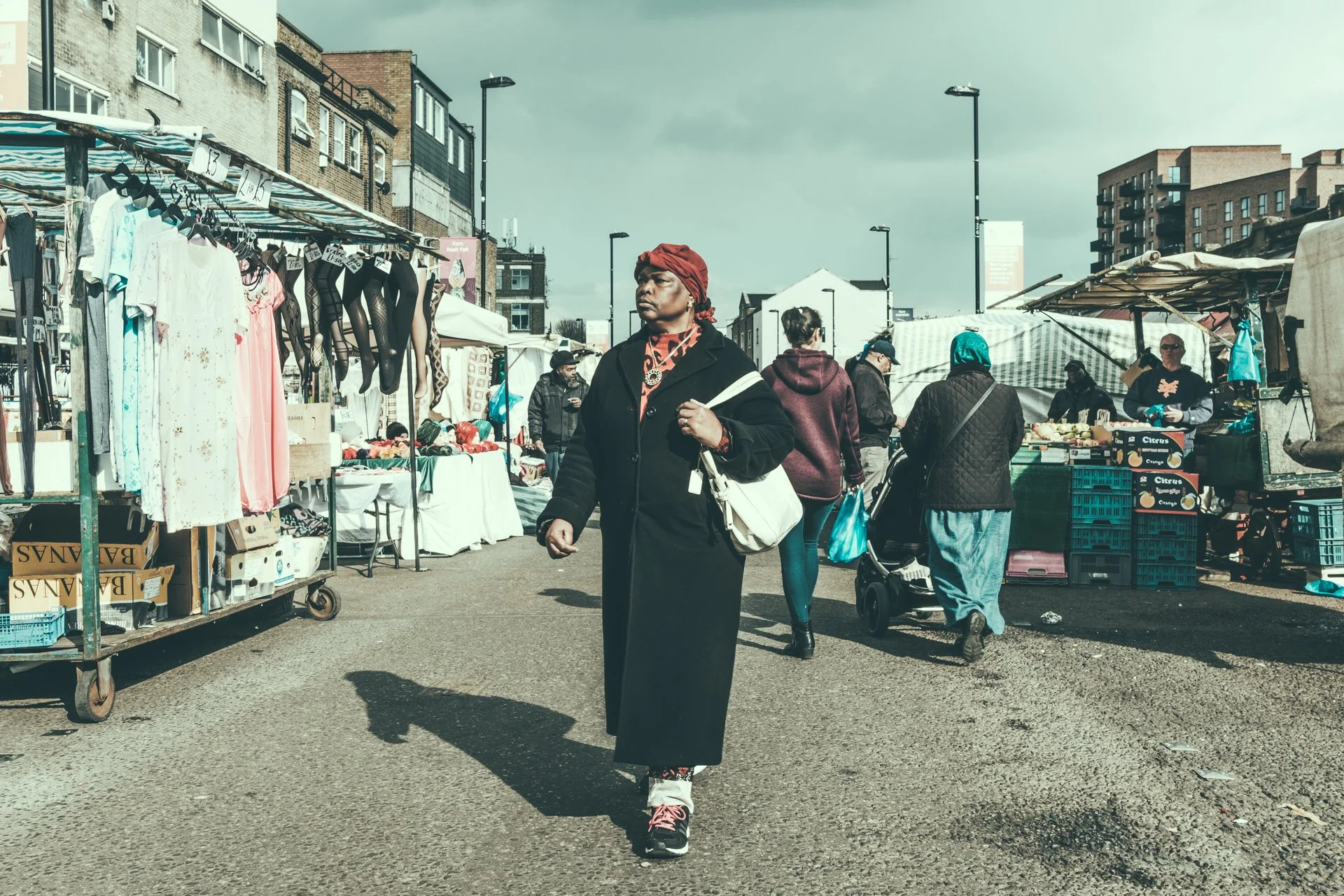
Street Encounter — Ridley Road Market, Dalston | 2019
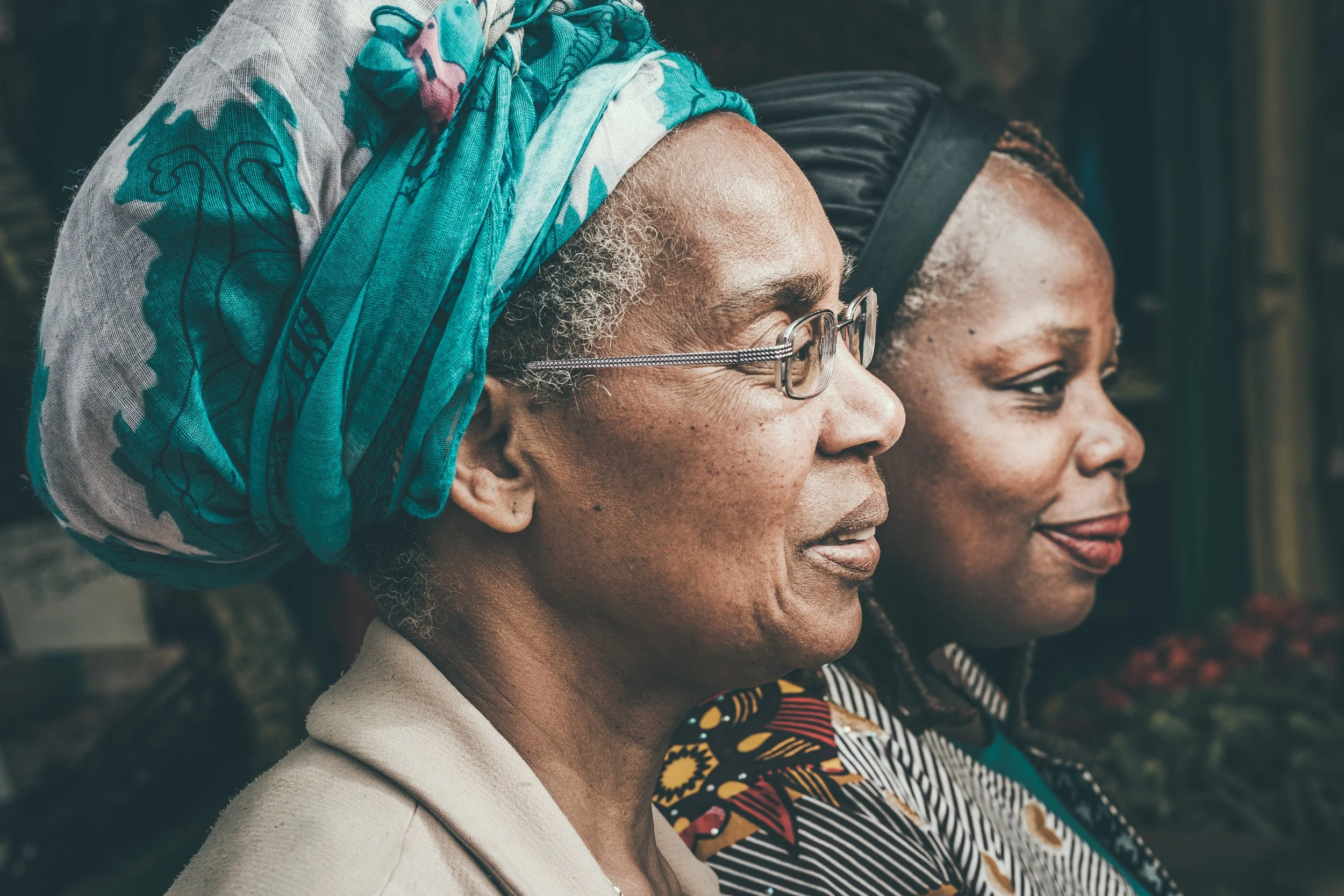
Sistah Space — Rose Lewis and Ngozi Fulani | Ridley Road Market, Dalston | 2021
Dalston has always been more than a place of trade and commerce. It is also a place where communities come together, support one another and find their voices.
In 2021, I photographed Rose Lewis and Ngozi Fulani on Ridley Road. Both are connected to Sistah Space, an organisation founded by Ngozi to provide specialist support and advocacy for women of African and Caribbean heritage who have experienced domestic or sexual abuse.
Their work speaks to something that runs throughout My Dalston: the importance of community, not simply as a shared identity, but as a source of protection, dignity and empowerment.
For me, this portrait represents another side of Dalston's strength. Not the noise and energy of its streets, but the people working to ensure that others are heard, supported and seen.
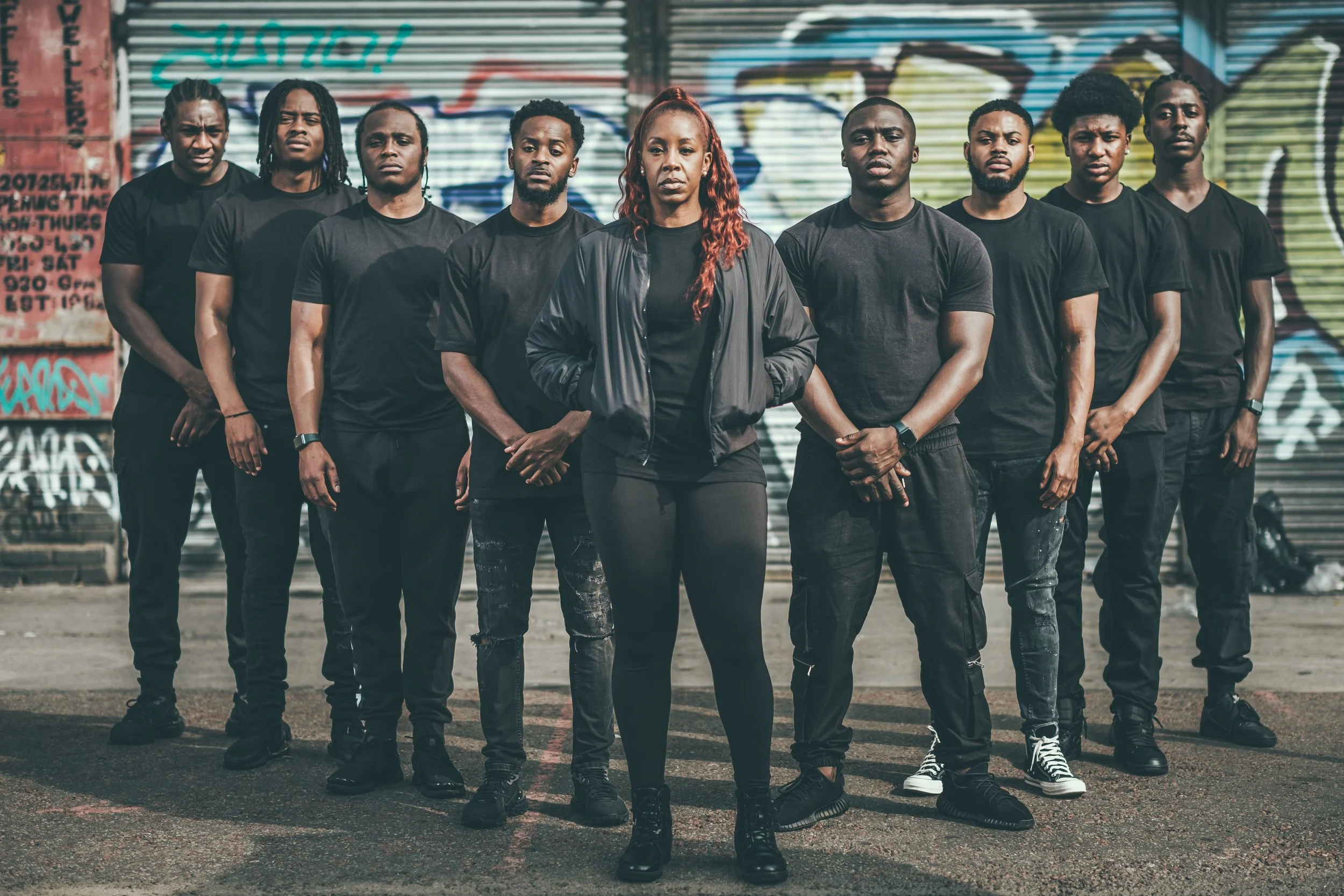
Rise 365 | Dalston | 2021
RISE 365 — MORE THAN A PORTRAIT
Founded in 2019, Rise 365 has become an important part of Hackney's community, supporting and empowering young people while challenging the negative perceptions too often associated with young Black men.
Its work extends beyond mentoring and encouragement. During the COVID-19 pandemic, the organisation also supported local families through food distribution and community outreach.
When I photographed Rise 365 founder Joycelyn Broadie-Mends and some of the young men involved with the organisation in 2021, I wanted the composition to reflect what she had built.
I deliberately arranged them in the triangular formation of bowling pins, positioning Joycelyn at the front, with the young men behind her.
This was a conscious decision. Joycelyn represents the leadership, determination and commitment at the heart of Rise 365. The young men behind her represent the people she has supported and the community that continues to grow through her work.
Their expressions are direct and uncompromising. I wanted them to be seen as confident young men with their own identities, ambitions and futures, rather than through the stereotypes so often imposed upon them.
For me, this photograph is about more than representation. It's about the difference one person can make, and the collective strength that grows from that commitment.
Rise 365 is part of Hackney's story, and this is a story worth telling.
FROM THE CAMERA TO THE COMMUNITY
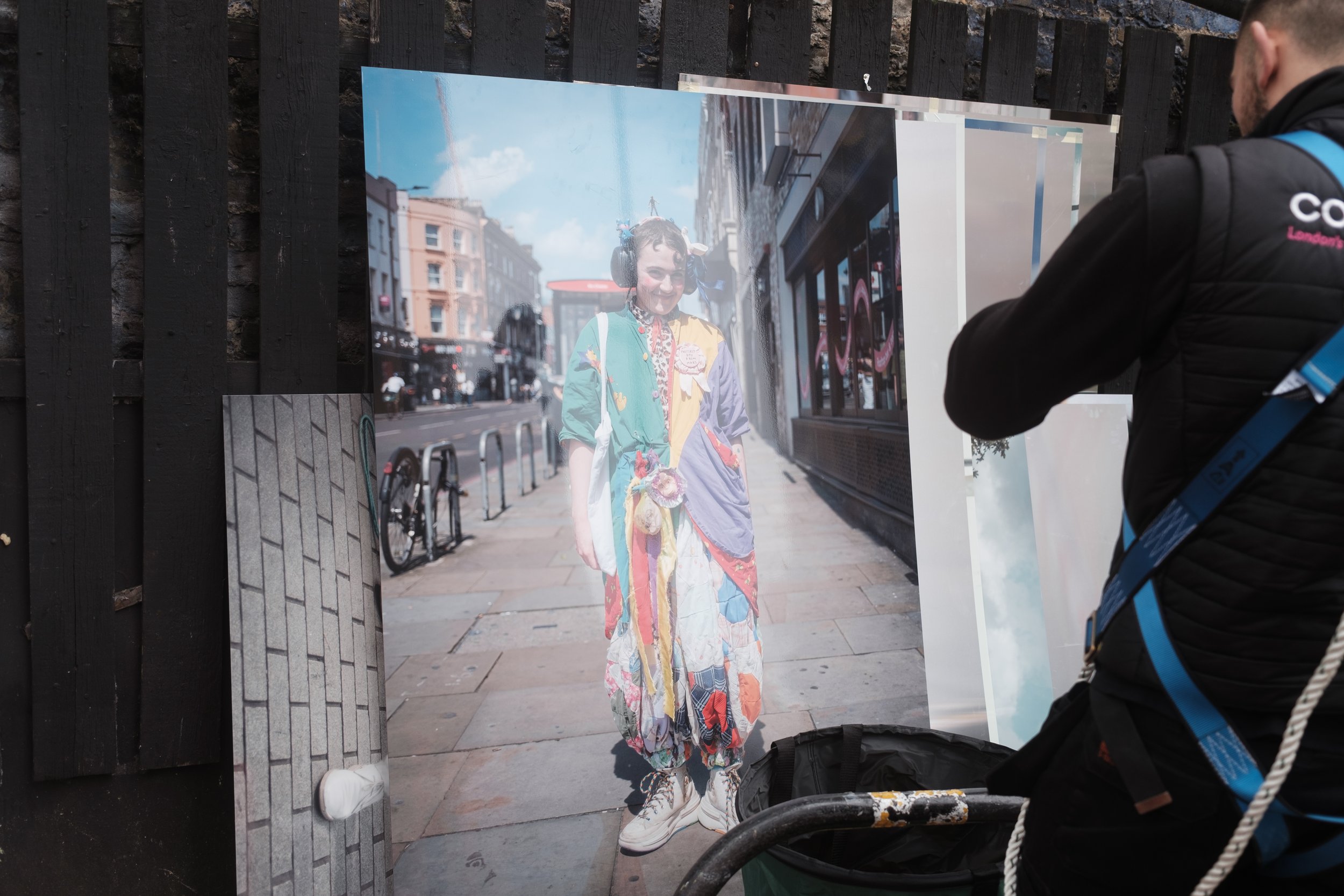
Andy's portrait being prepared for installation — The Strip, Dalston Junction | October 2024
Photography was only one part of my work with Future Hackney. What mattered equally was finding ways to bring those photographs back into the communities where they had been made.
Our outdoor exhibitions transformed familiar streets and public spaces into places where local people could encounter their own stories.
I remember photographing Andy on Dalston High Street. Seeing his portrait being prepared for installation as part of The Strip exhibition, I felt the photograph was taking on another life.
What began as a conversation between two people would become something shared with an entire neighbourhood.
For me, that was always the ambition: not simply to photograph people, but to make their stories visible in the places they called home.
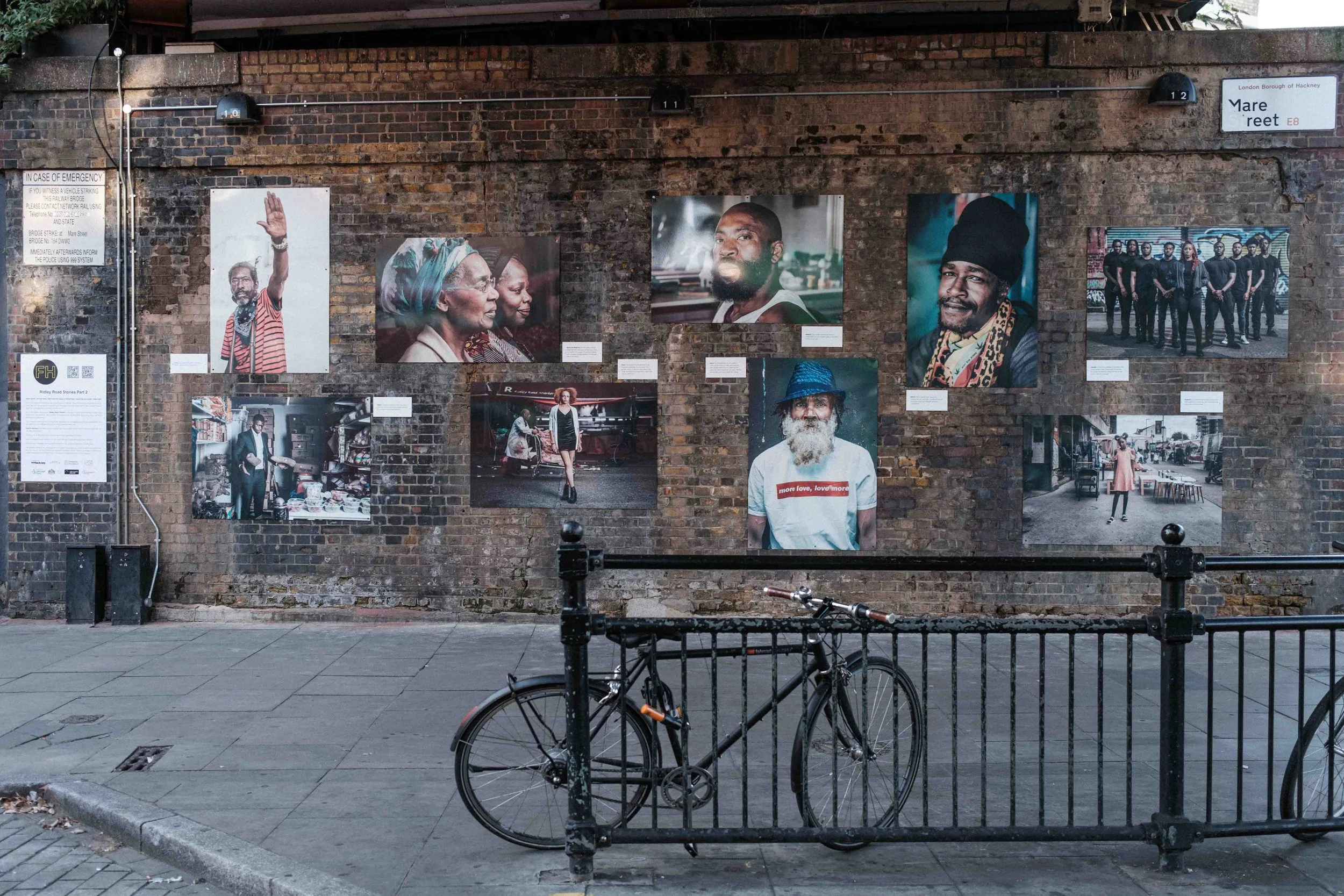
Ridley Road Stories Part 2 — Outdoor exhibition, Mare Street, Hackney | 2021
WHEN THE STREETS BECAME OUR GALLERY
Ridley Road Stories Part 2 | Mare Street, Hackney | 2021
In 2021, Future Hackney was commissioned by Create London to produce Ridley Road Stories Part 2, continuing our work documenting the people, culture and communities surrounding Ridley Road Market.
For me, the project was about more than making photographs. It was about ensuring that the people whose stories we were telling could see themselves represented in the places they knew.
Rather than confining the work to a traditional gallery, we brought the photographs into public spaces, transforming a section of Mare Street into an open-air exhibition.
There was something powerful about seeing these portraits displayed against the familiar brickwork of Hackney, surrounded by the everyday movement of the street.
People could stop on their way to work, recognise a familiar face or simply discover a story they might otherwise never have encountered.
But one encounter stayed with me.
A visitor expressed their joy at seeing the community represented, saying:
“Now we feel represented.”
Those few words captured everything we had hoped to achieve.
For too long, communities like those around Ridley Road have seen their neighbourhoods change around them, often without feeling that their histories, contributions and identities were being acknowledged.
This exhibition was an opportunity to make those stories visible, not in a space people had to seek out, but in the streets they walked every day.
For me, that was the real value of the work.
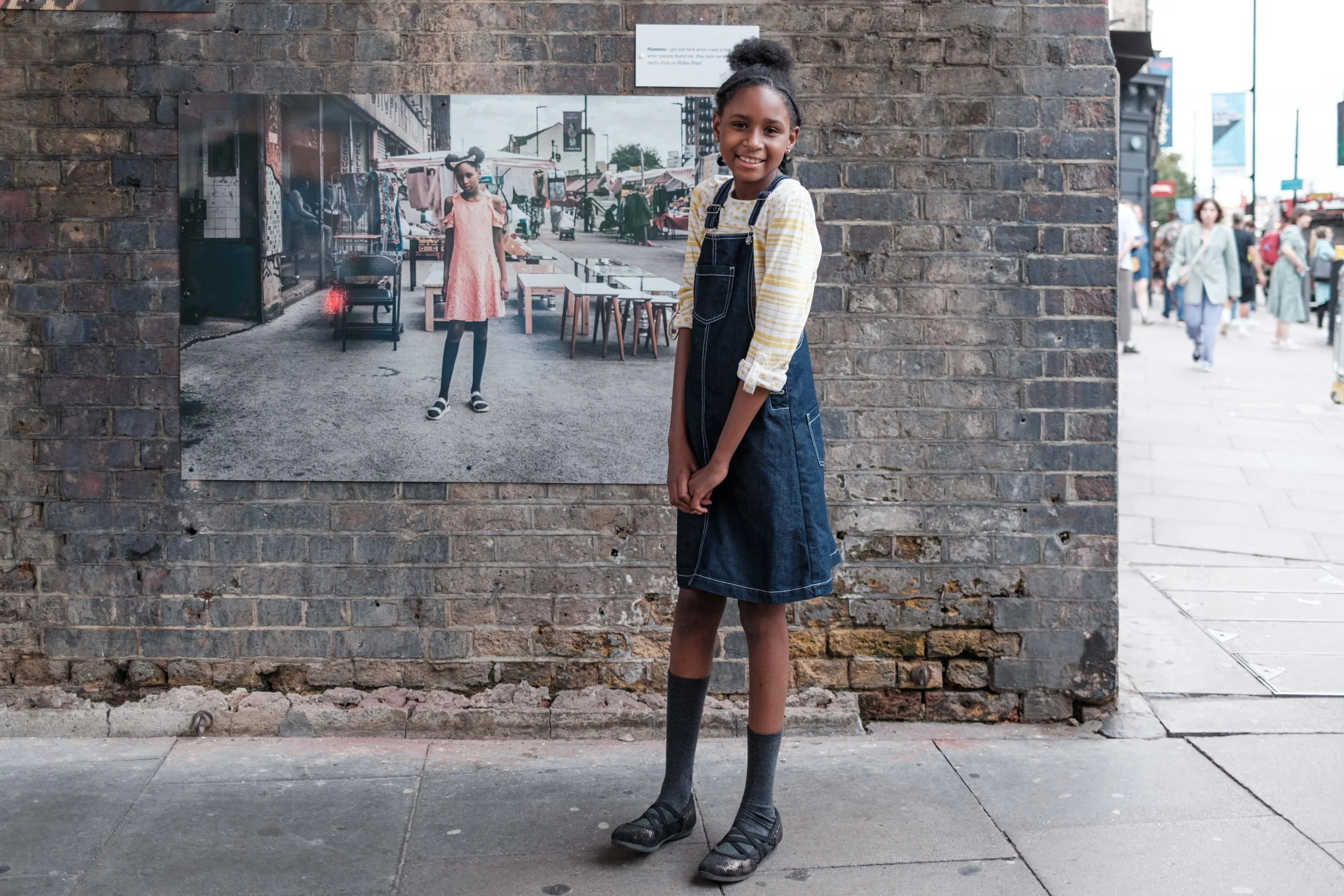
Illyassou alongside her portrait — Ridley Road Stories Part 2 open day, Mare Street, Hackney | 2021
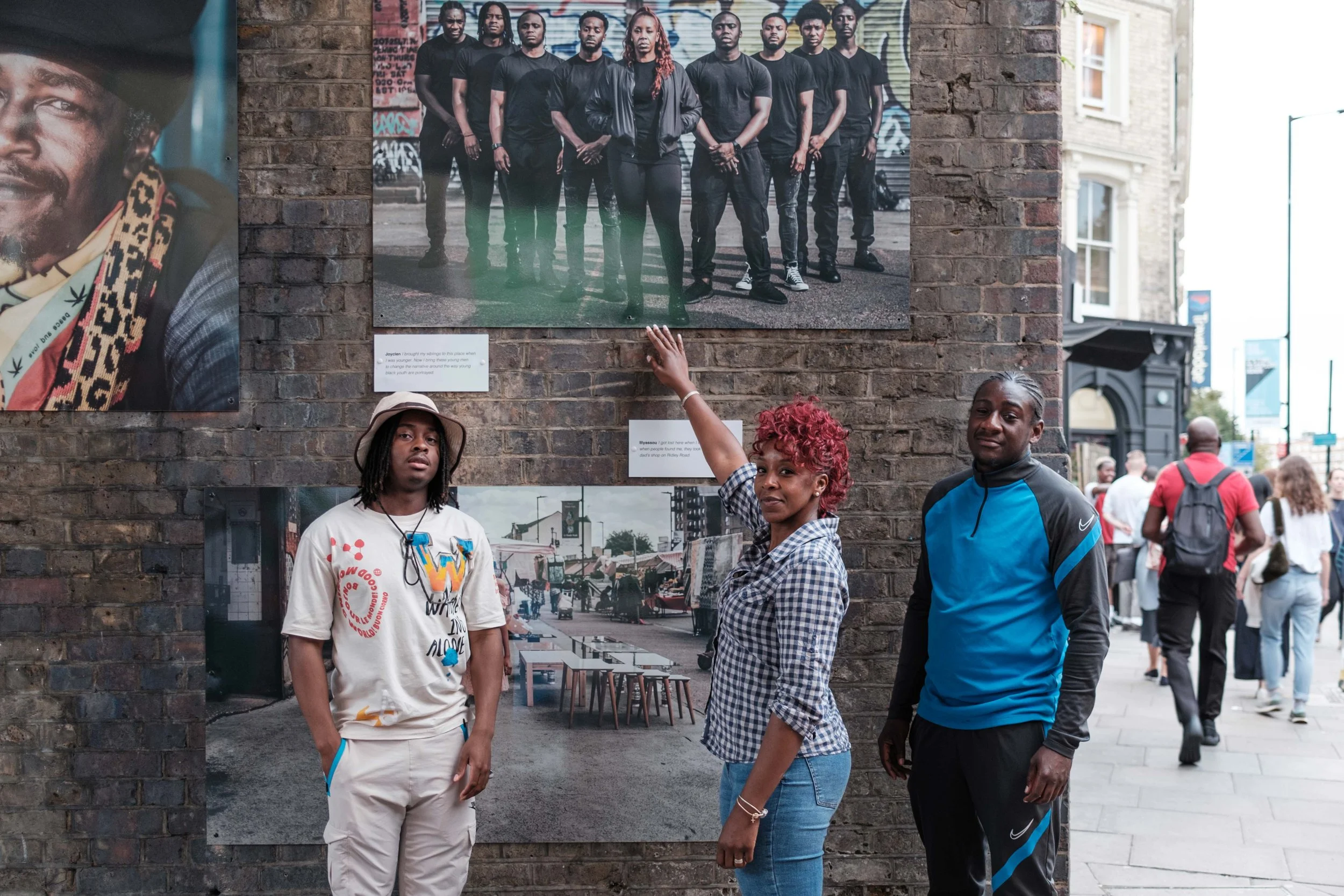
Joyclen Broadie-Mends at the Ridley Road Stories Part 2 open day, Mare Street, Hackney | 2021