
WAYNE CRICHLOW
The storyteller
I'm a documentary photographer and visual storyteller, but photography isn't where my creative story began.
Long before I picked up a camera, there was a painting in Barbados, music in London and an instinct to observe the people and culture around me.
Photography eventually became the language through which those experiences came together.
My grandparents' home, St George, Barbados · 2026
BEL-AIR, ST GEORGE, BARBADOS · 1975
The first image
One of my earliest memories of art begins in this house.
I was eight years old when I went to live with my grandparents in St George, Barbados, where I also went to school.
I remember looking through one of the front windows of the house across the cane fields and seeing my uncle sitting at an easel in a clearing. He was painting the family home.
I didn't know anything about being an artist then. I certainly wasn't thinking about photography. I was simply fascinated by watching someone look at something familiar and turn it into an image.
My uncle went on to become an art teacher, a career he would follow for many years. The painting he made that day remained with the family and can still be seen in the house.
Looking back now, I wonder whether that was the first time I understood that something we see every day can become something worth preserving.
ST AUGUSTINE'S SCHOOL · ST GEORGE
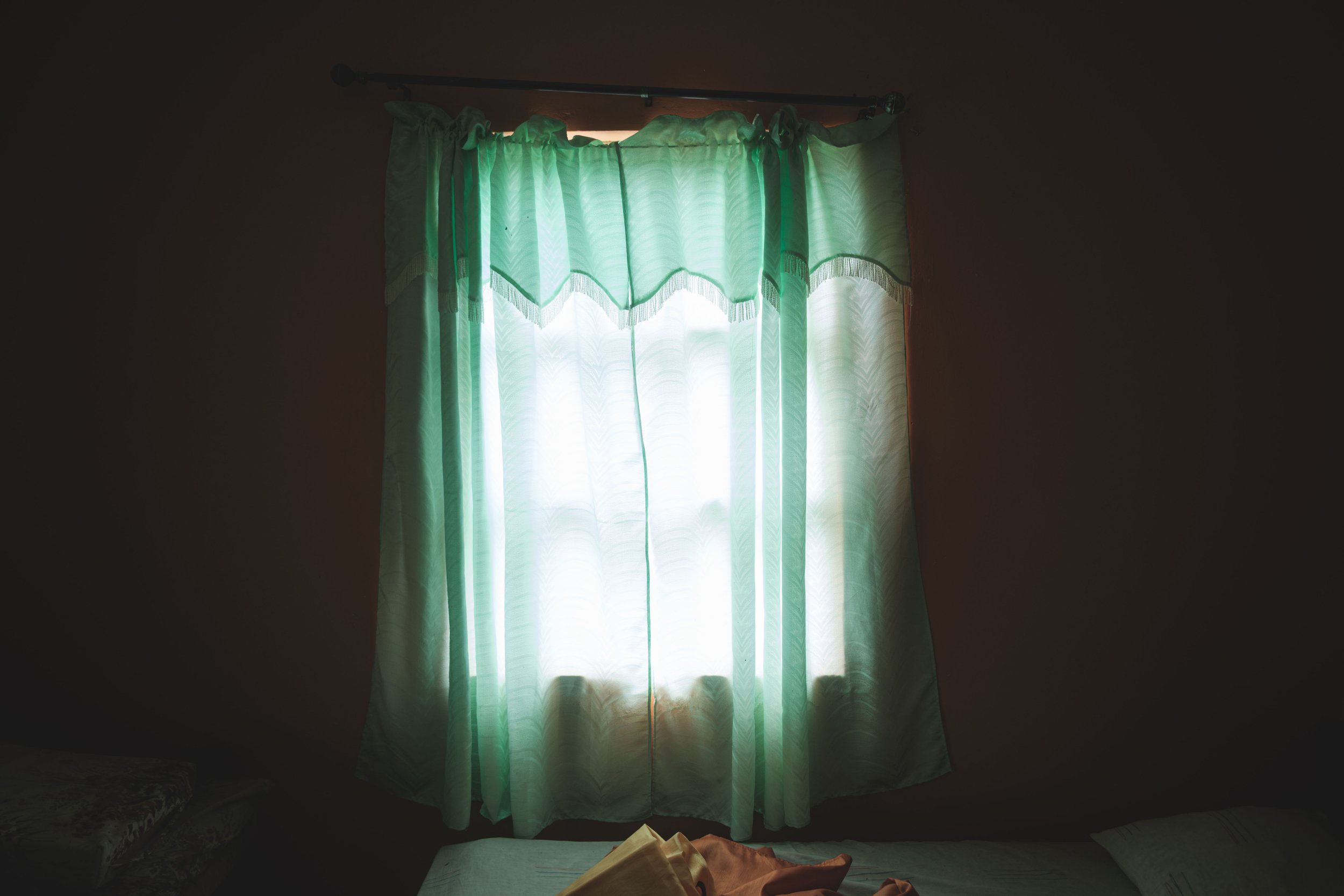
The window of my childhood bedroom, St George · 2026
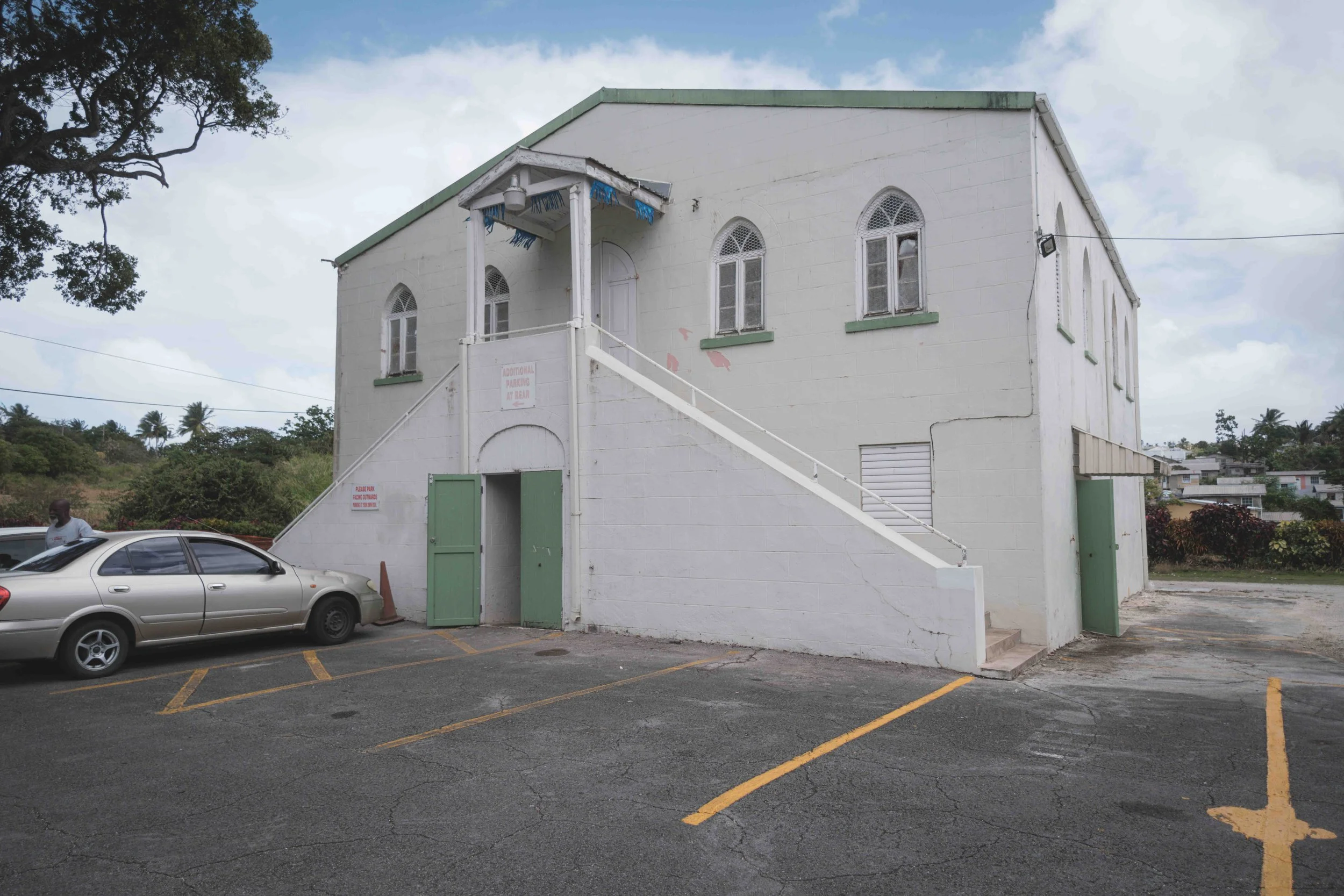
St Augustine's School, St George, Barbados · 2026
Barbados wasn't simply somewhere connected to my family or somewhere I visited on holiday. For part of my childhood, it was home. I lived with my grandparents, went to school at St Augustine's and experienced an everyday Barbados that would remain part of me long after I returned to London.
In 1975, I watched my uncle make an image of this house. In 2026, I returned and made my own.
LONDON · EARLY 1990s
Before the camera
By my early twenties, my creative expression had found a different form: music.
In the early 1990s I became part of the music production team Square Bizz, with Closer Than Close fronting the production company. We wrote, produced and performed music during an exciting period in British Black music.
Closer Than Close would go on to sign with Slam Jam Records, releasing music that found its way onto radio, club playlists and live stages.

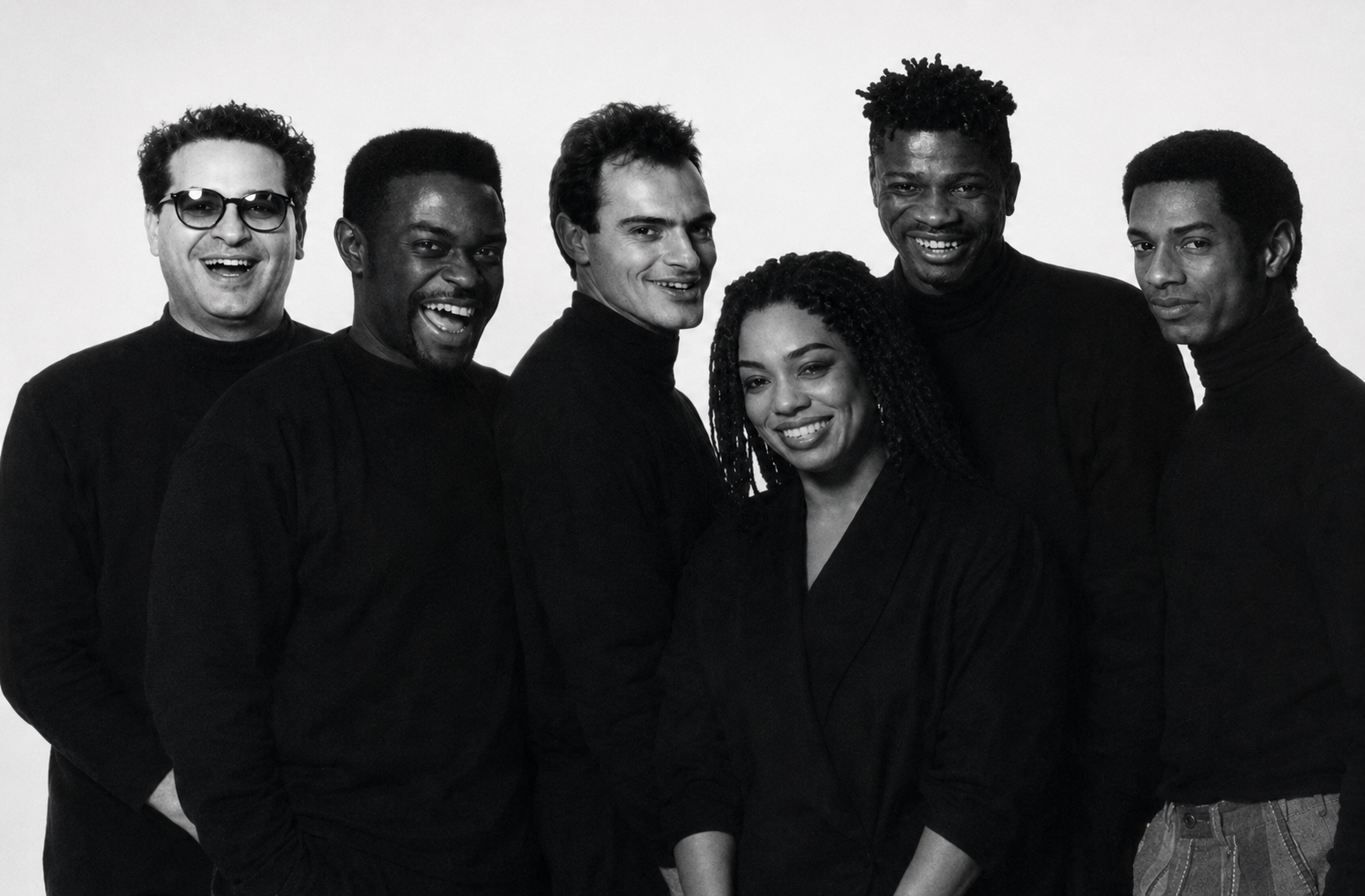
SOUL II SOUL · EARLY 1990s
In the studio
Around the same period, music also took me into the orbit of Soul II Soul. I worked in and around their London studios alongside Jazzie B and the Funki Dreds at a time when their influence stretched far beyond the UK.
For a young musician and producer, this was significant. Soul II Soul were people we admired and regarded as part of the same Black British musical landscape — artists who had taken their sound, identity and culture onto an international stage.
Being inside that environment showed me what could happen when creativity, culture and community came together with a strong sense of identity.
I didn't know it then, but those same ideas — creativity, culture, community and identity — would eventually become central to the way I approached photography.
Closer Than Close with Beverley Skeete, 1992
Keith Coello, Wayne Crichlow, Todd Alabaster, Beverley Skeete, Lloyd Burell and Roy Hamilton.
LONDON · 2014
Learning to see
Photography arrived gradually. What began as an interest became a way of looking more closely at the world and at the unscripted moments of everyday life that most people simply walked past.
Street photography became my training ground. I learned to anticipate rather than direct; to notice gesture, light, relationships and the small details that could transform an ordinary moment into something worth remembering.
In 2014, shortly after buying a Fujifilm X100S, I began experimenting with slow shutter speeds on the street. Working handheld, I would brace the camera, pull my elbows in and momentarily hold my breath as I released the shutter.
The technique allowed me to do something that would become important in my work: hold one person still within the frame while life continued to move around them.
When I'm immersed in a street scene, I sometimes imagine life moving in front of me like celluloid running through a projector. I compose the frame and press an imaginary pause button. For a fraction of a second my subject is held within that world, while everything around them continues to move.
Then the shutter closes. I press play again, and life carries on.
That idea continues to influence the way I photograph. I'm interested not only in the fraction of a second contained within the frame, but in everything the photograph leaves unanswered.
What happened before this moment? What is happening just outside the frame? What happened next?
This way of seeing would eventually lead into later work including The Look of the Doorman, where movement, stillness and the isolation of a figure within the flow of the city became recurring elements of my visual language.
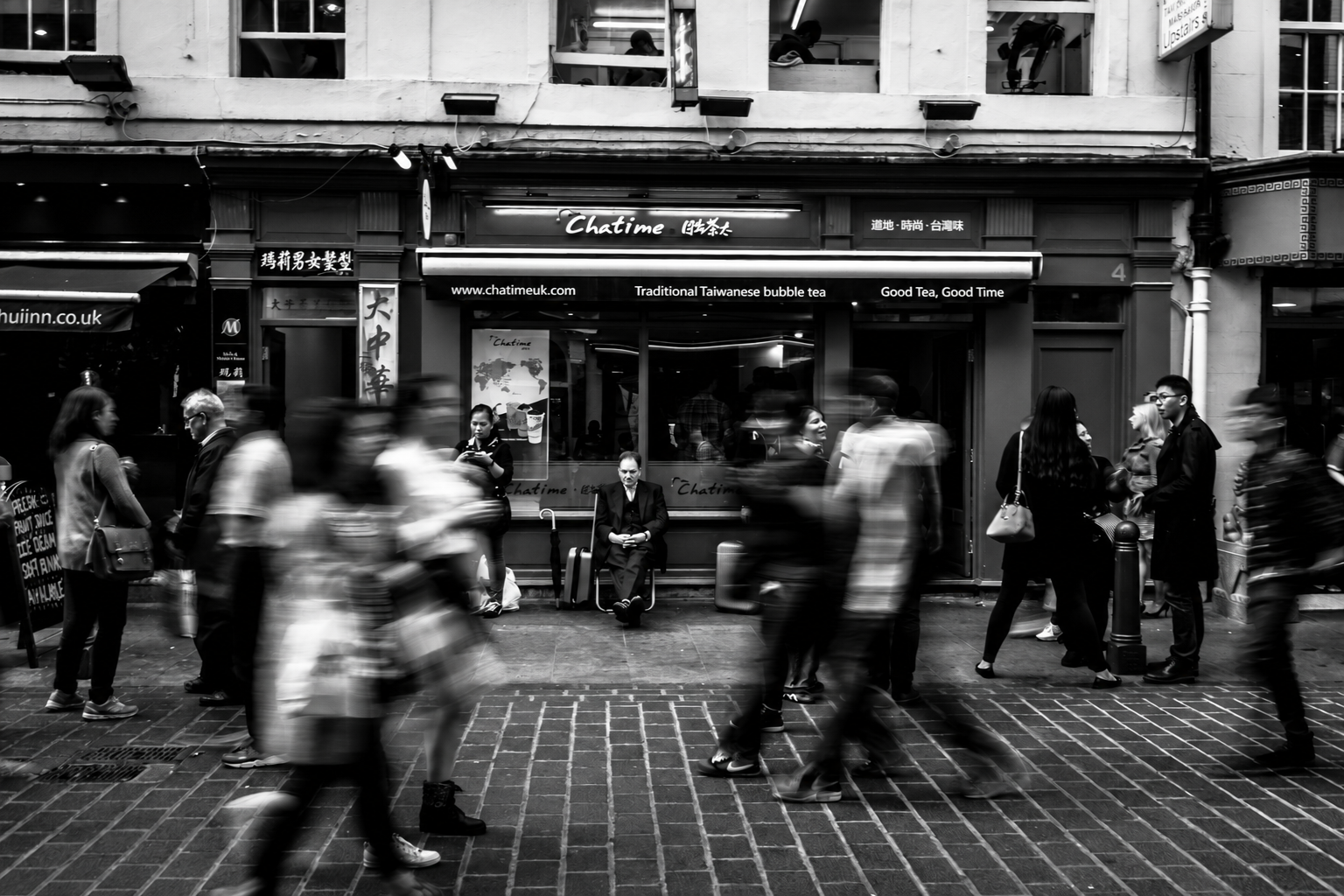
Watching the World Go By, Chinatown, London · 2014
Fujifilm X100S
LONDON · 2017–2018
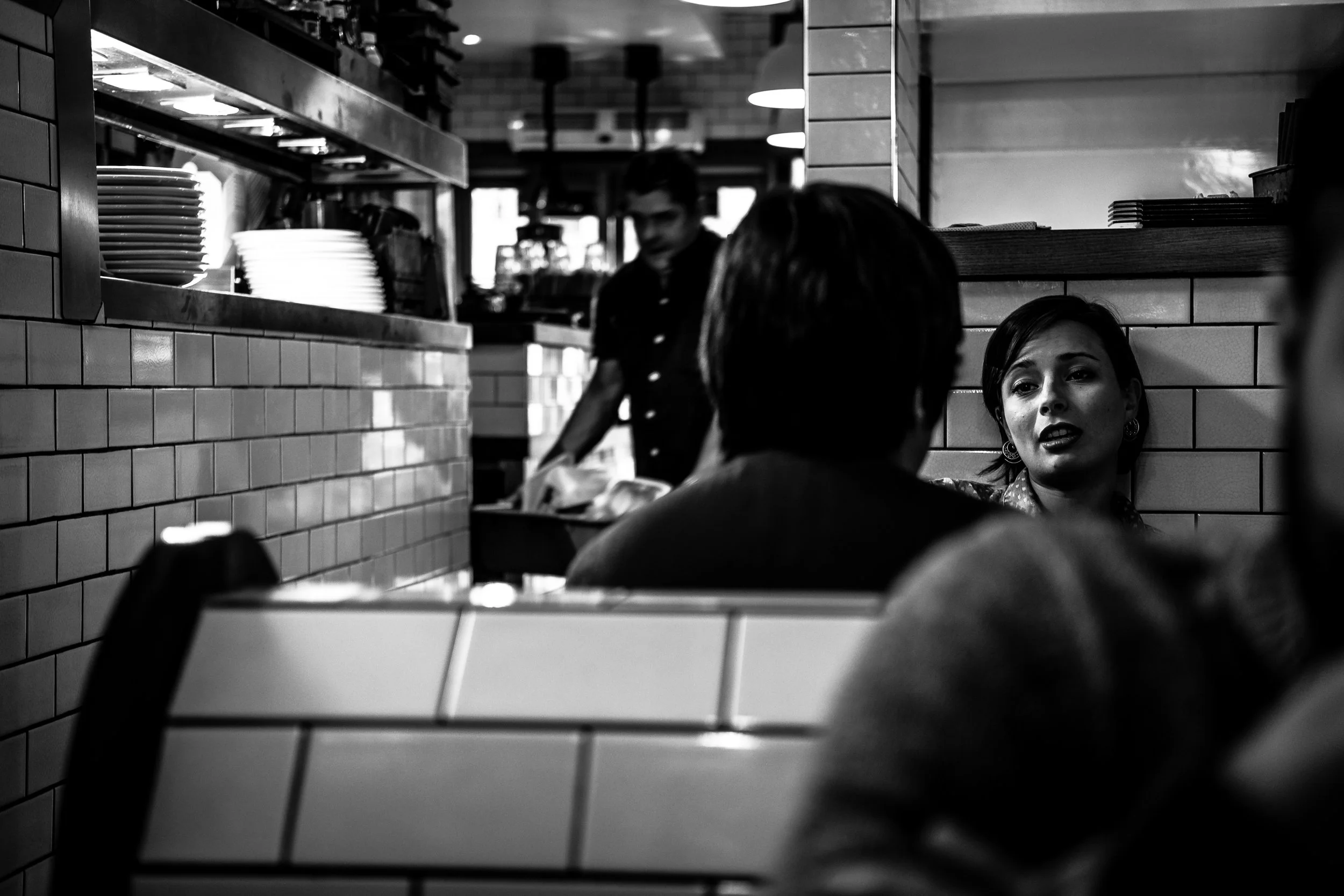
The Café, London · 2016
Sony World Photography Awards · Open Competition, Street Photography · Commended, 2017
SKY ARTS · 2018
Master of Photography
A year after the Sony recognition, I was selected as one of ten photographers to compete in Season 3 of Sky Arts Master of Photography.
The competition took me out of the familiar world of street photography and placed me in a series of very different photographic challenges. It forced me to work outside my comfort zone, respond to briefs and make creative decisions under pressure.
I progressed through the competition to the final three.
More than the exposure that came with appearing on television, the experience gave me greater confidence in my own visual instincts and helped shape the photographer I was becoming.
A turning point
By 2017, photography had become much more than something I did in my spare time.
That year I entered a photography competition for the first time. The Café, a photograph built around reflection, layers and an everyday London moment, was Commended in the Street Photography category of the Sony World Photography Awards.
It was an important moment. Until then, photography had largely been something I pursued instinctively — walking, observing and learning through making pictures. Having that work recognised internationally made me begin to think differently about where photography might take me.
A year later, another unexpected opportunity would push that idea much further.
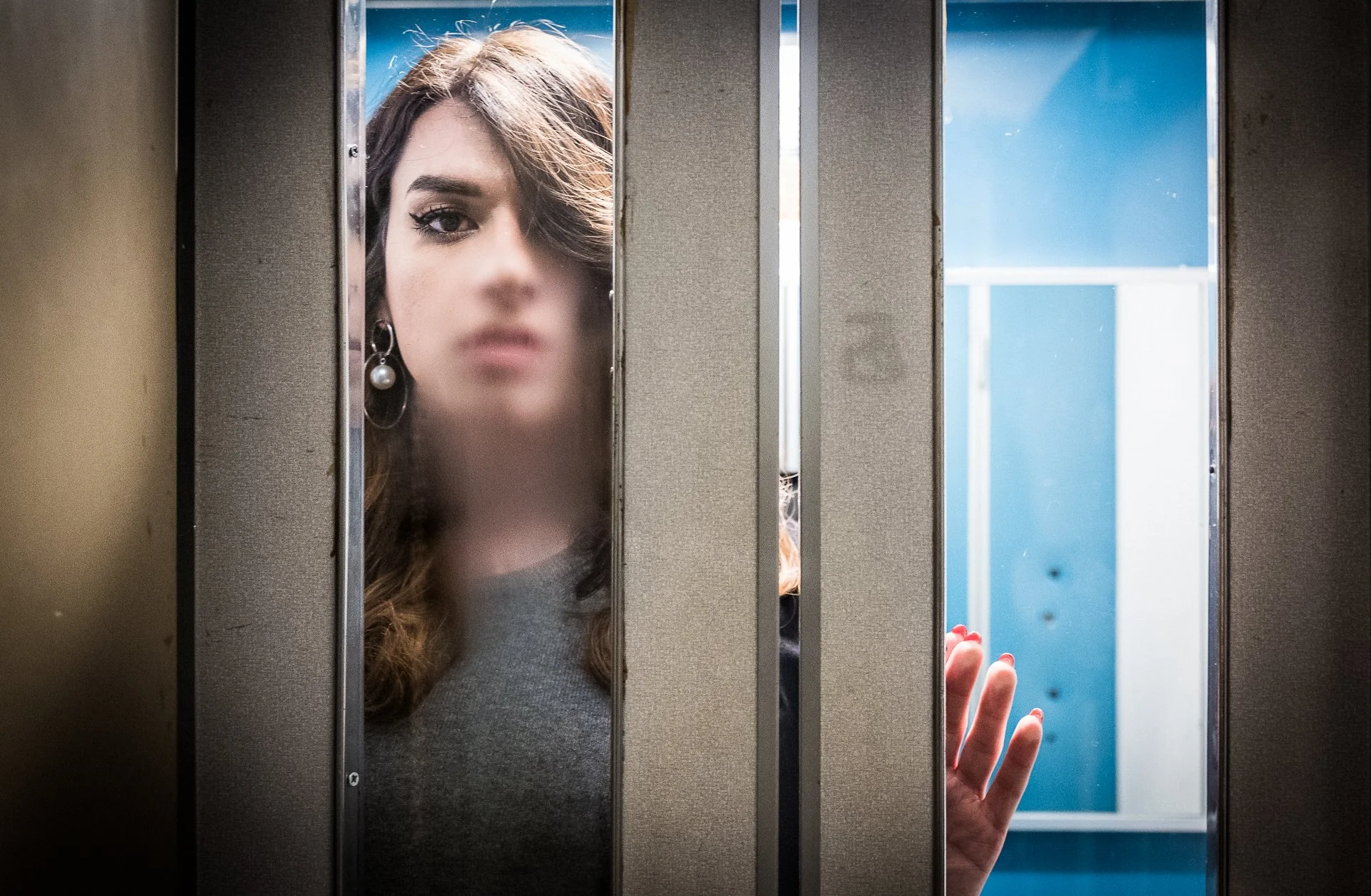
Gender Identity, Naples · 2018
From a three-part portrait series documenting the life of a transgender woman · Master of Photography, Season 3
EAST LONDON · 2018–2025
A visual record of a community
Returning to the same streets changed the nature of the work.
The more time I spent photographing Hackney, the less interested I became in simply recording what a place looked like. I wanted the photographs to say something about the people who occupied it — their individuality, presence and relationship with the spaces around them.
Over time, those individual encounters began to form something larger: a visual record of a community.
It also made me increasingly conscious of who gets seen, whose stories are preserved and what role photography can play in making those stories visible.
Turning the camera towards community
As my photography developed, I became increasingly interested not simply in the moments I encountered on the street, but in the people and communities behind them.
That shift became particularly important through my work with Future Hackney, a community-led photography project documenting the people, culture and changing identity of East London.
Hackney was familiar territory. I had grown up in East London, and this wasn't about arriving somewhere, taking photographs and leaving. It was about spending time with people, listening to their stories and allowing relationships to shape the photographs we made.
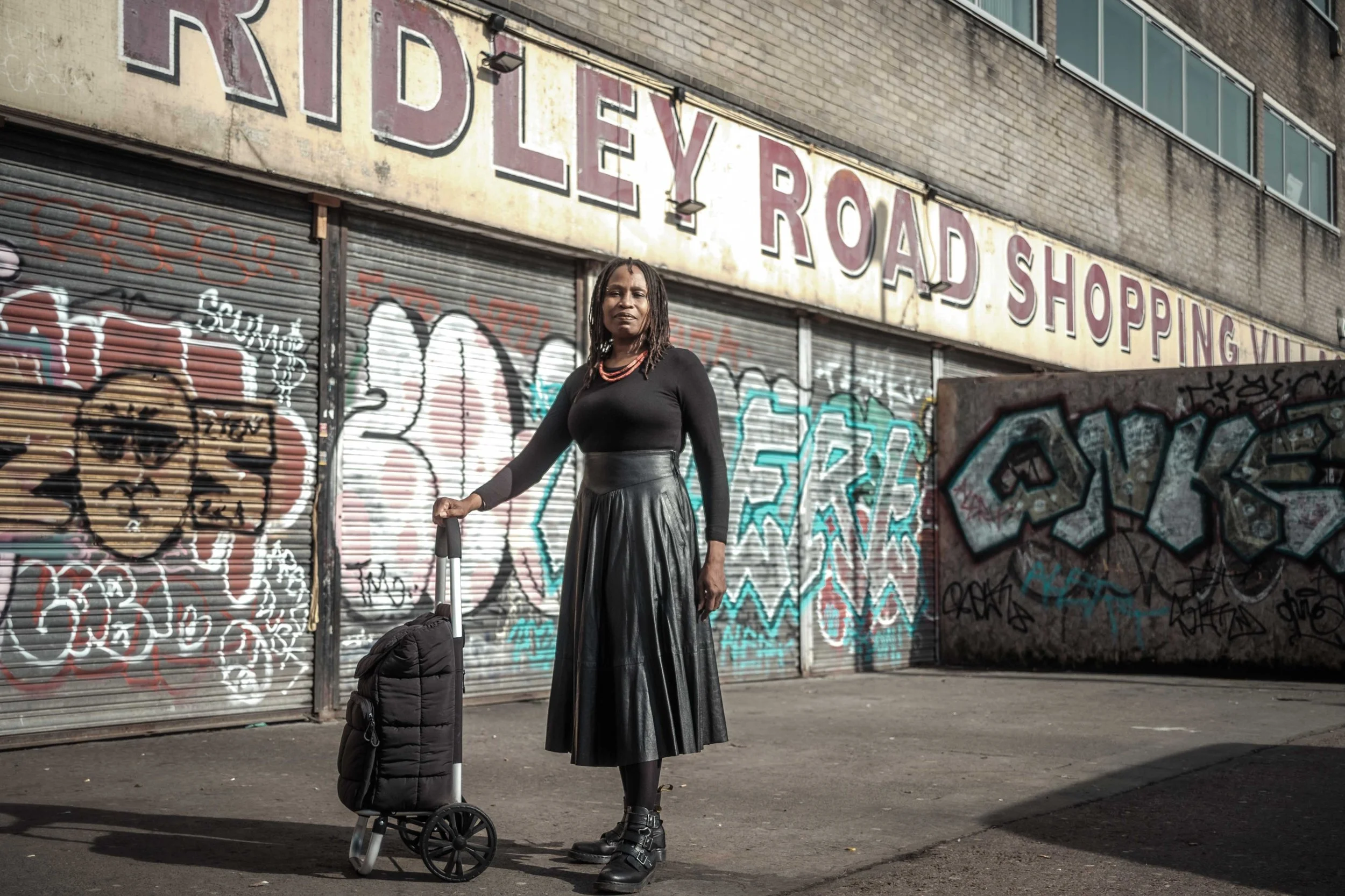
Projects including Ridley Road Stories and The Otherside of Dalston brought me into contact with people whose lives, businesses, personalities and histories formed part of the character of the area. Some encounters lasted only minutes; others developed through returning to the same streets and spaces over time.
The portraits became more than records of how people looked. Together they began to form a collective portrait of a place and of the people who gave it its identity.
The work taught me something important about documentary photography: sometimes the photograph is only possible because of the relationship that comes before it.
Over the years the project grew beyond making photographs. The work was exhibited in Hackney, shared through talks and conversations and published by organisations including Time Out and The Guardian. Photography became a way of contributing to the record of a community at a time when the places and people that gave the area its identity were changing.
It also changed the way I thought about my own role as a photographer.
I was no longer interested only in finding a compelling frame. I was becoming increasingly conscious of who gets photographed, who gets remembered and who gets to tell the story.
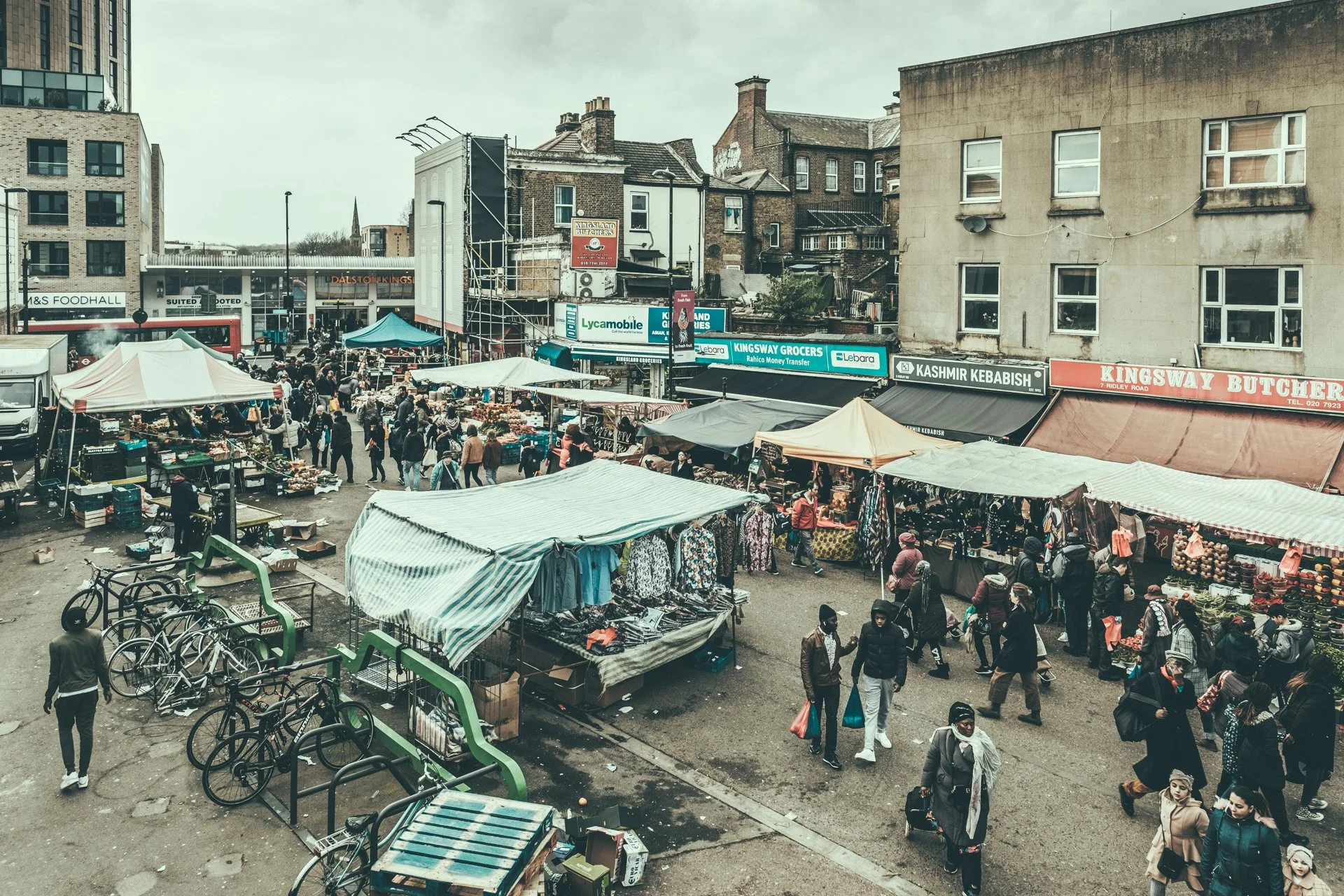
Ridley Road Market, Hackney · 2020
That question would eventually take my photography beyond community documentation and into another space entirely: using the camera as a witness.
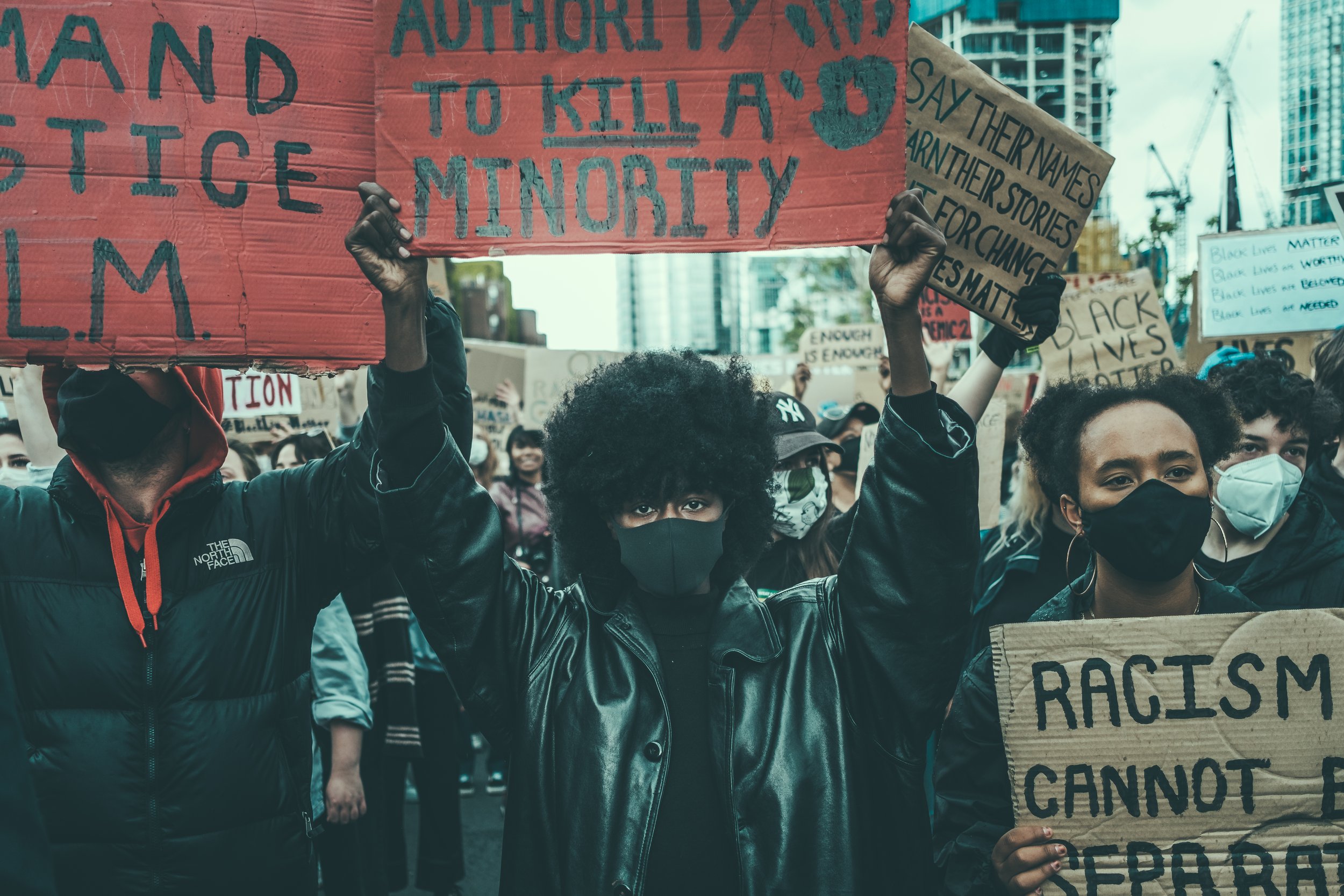
LONDON · 7 JUNE 2020
Black Lives Matter, US Embassy, London · 7 June 2020
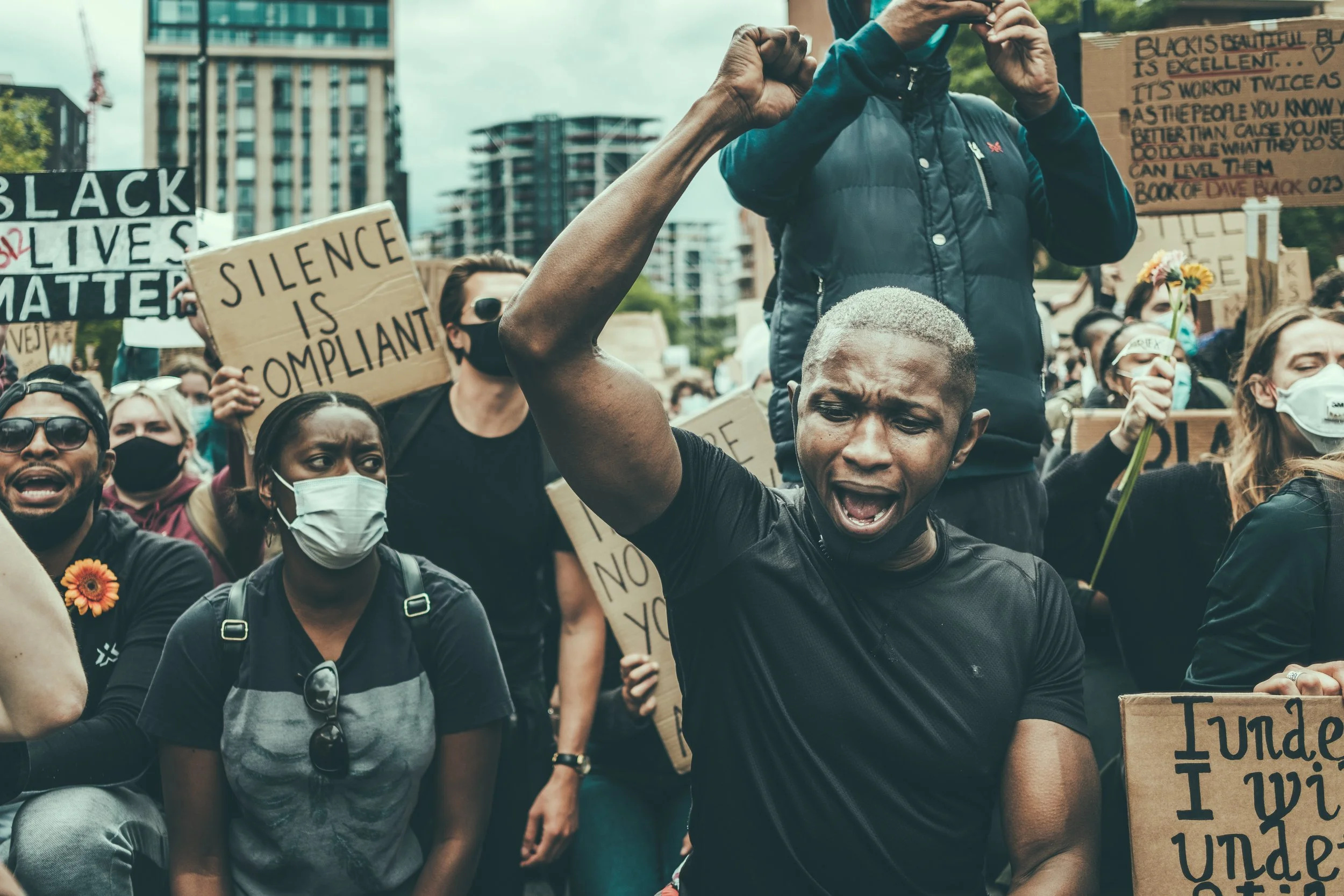
Black Lives Matter, US Embassy, London · 7 June 2020
Photography as witness
On 7 June 2020, I travelled to the US Embassy in London to photograph a Black Lives Matter demonstration following the murder of George Floyd in Minneapolis.
I had watched the footage of his murder on television and felt angry. Like millions of people around the world, I had witnessed something deeply disturbing, but I didn't want simply to sit at home and watch events unfold from a distance.
I felt compelled to go.
This was in the midst of the Covid pandemic. Thousands of people would be gathering together and there was an obvious risk in putting myself in the middle of a crowd. I wore a mask, but at that moment my personal safety felt secondary to the need to be there.
When I arrived at the US Embassy, I wasn't standing at the edge of the demonstration looking in. I moved through the crowd, surrounded by thousands of people carrying handwritten signs, raising fists, chanting names and demanding to be heard.
Some of those signs referred to George Floyd. Others carried the names of Black people who had died in police custody here in Britain.
As I photographed, I began to understand that my role wasn't simply to show what a protest looked like. It was to make a record of why people were there.
The placards mattered. The expressions mattered. The moments between the chanting mattered. I became interested in the individuals inside the demonstration and in what their presence might tell someone looking at these photographs years from now.
Photography could preserve something that would otherwise disappear when the crowd dispersed and the streets returned to normal.
That day changed something in my photography. It became the beginning of a body of work that has taken me repeatedly onto the streets to document protest, resistance and demands for change.
And it reinforced something I had begun to understand through my community work: sometimes the camera isn't simply there to observe. Sometimes it has to bear witness.
THE WORK TODAY
The work continues
The camera has taken me into places I could never have anticipated when I first began photographing the streets of London.
It has taken me into communities, demonstrations, celebrations and institutions; into moments of joy and resistance, and into stories whose histories stretch far beyond the moment in which I press the shutter.
What connects the work is people.
Whether I am photographing Notting Hill Carnival, documenting protest, working within a community or responding to an editorial commission, I am interested in the relationship between people and the worlds they inhabit — who gets seen, whose stories are preserved and what a photograph might mean when someone encounters it years from now.
Over time, photography has also brought recognition I never expected: from the Sony World Photography Awards and becoming a finalist on Sky Arts Master of Photography, to having my work published and commissioned by national and international media.
But recognition has never been the reason for making the work.
The reason remains much closer to where this story began: observing, listening and recognising that something in front of me is worth preserving.
Photography is now my full-time practice, but I still approach the street with the same curiosity that first made me pick up a camera.
I don't know where the next story will take me.
That's part of the reason I keep looking.
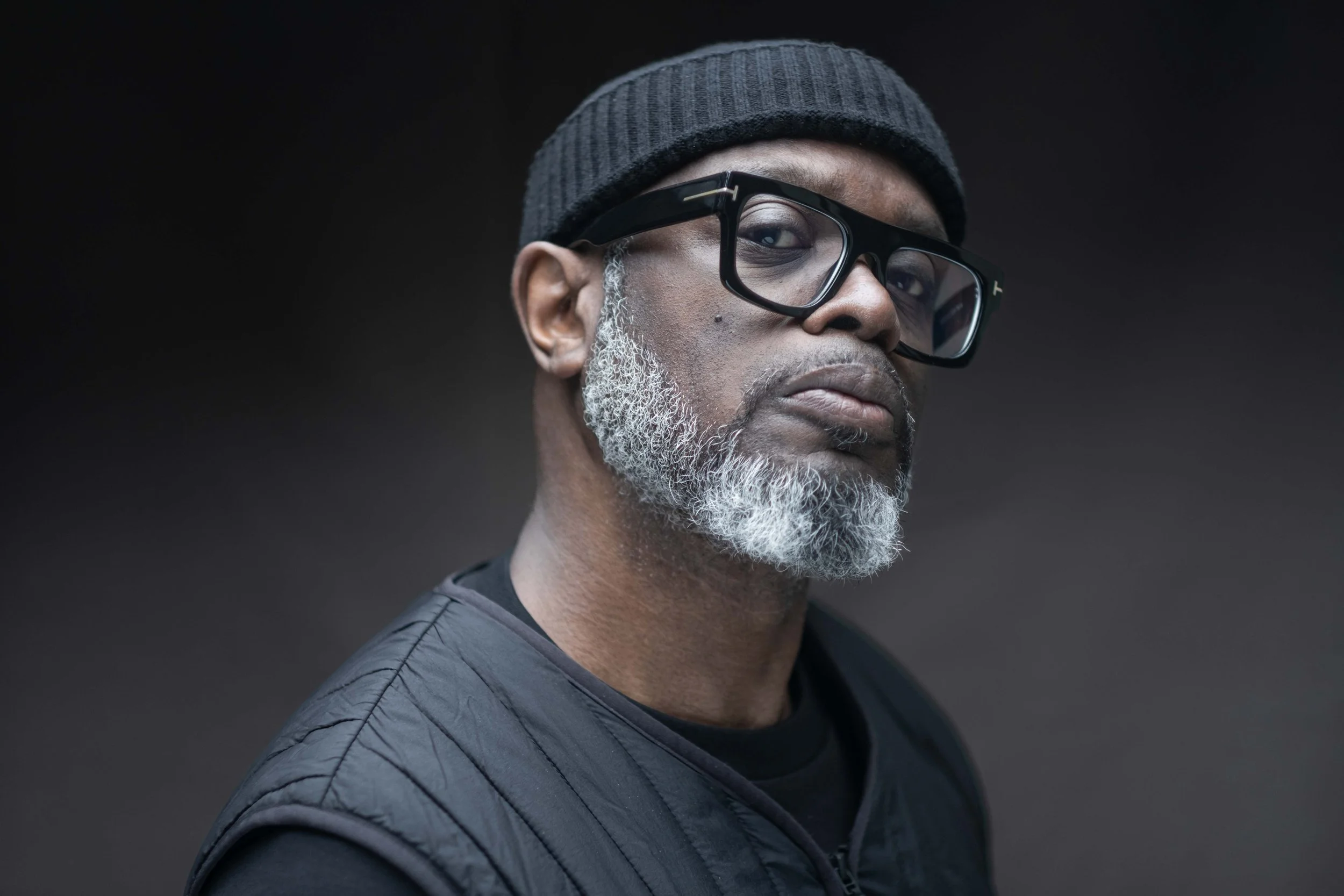
Self Portrait · 2026