
SKY ARTS · 2018
Master of Photography
From thousands of applicants across Europe, I was selected as one of ten photographers to compete in Season Three of Sky Arts Master of Photography. I would go on to reach the final three.
What is Master of Photography?
Master of Photography was an international photography competition broadcast on Sky Arts, bringing together photographers from across Europe to tackle a series of creative challenges.
Each week presented a different assignment, testing our ability to think creatively, work under pressure and communicate ideas through photography.
For someone whose experience had largely been in street photography, it was an opportunity to step into unfamiliar territory, work alongside talented photographers and discover just how far I could push myself.
What follows is a personal reflection on that experience — the photographs I made, the people I encountered and the lessons that have stayed with me.
THE EXPERIENCE
Beyond my comfort zone
Each episode presented a completely different photographic challenge. From street photography and portraiture to landscape, identity, home and sanctuary, there was very little opportunity to become comfortable.
We had to understand the brief, find a visual idea, make the work and then put those photographs in front of internationally recognised photographers and industry figures for critique.
For me, the experience wasn't simply about surviving each assignment. It pushed me beyond the kind of photography I already knew and forced me to think much more deliberately about why I was making an image, rather than simply whether I liked it.
Working under pressure, in unfamiliar places and with a television crew documenting the process also taught me to trust my instincts — something that would become increasingly important in my work.
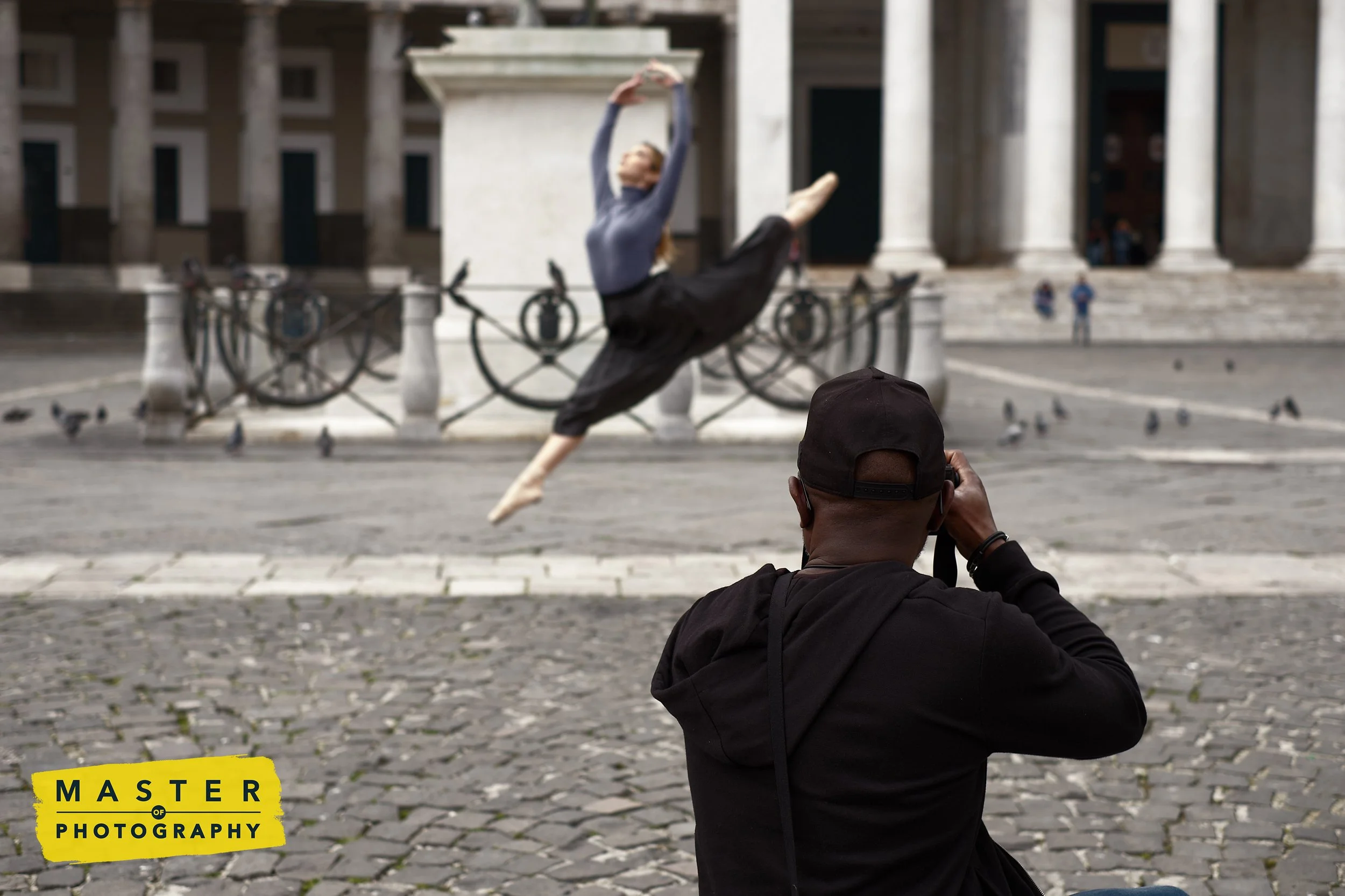
Task 1 — Dancing Naples · Naples, Italy · 2018
My first assignment on Master of Photography — and my first experience of making photographs under the pressure of a television competition, knowing that a weak image could mean going home.
THE ASSIGNMENTS
Eight briefs. One competition.
Eight assignments, eight very different challenges.
Each week demanded something new, often taking me well outside my photographic comfort zone. Working against the clock, I had to interpret the brief, develop an idea and produce photographs that would ultimately be presented to the judges.
These are selected images from the original photographs I submitted throughout the competition, from the opening assignment in Naples through to the final challenge, Sanctuary.
THE ASSIGNMENTS
Through the lens
Across eight assignments, I was challenged to work in unfamiliar places, interpret very different briefs and produce photographs under the pressure of a television competition.
From the streets of Naples to the Dolomites, from personal stories of identity and resilience to questions of home and sanctuary, each assignment demanded a different approach.
The photographs that follow are selected from the original images I submitted and presented to the judges throughout the competition.
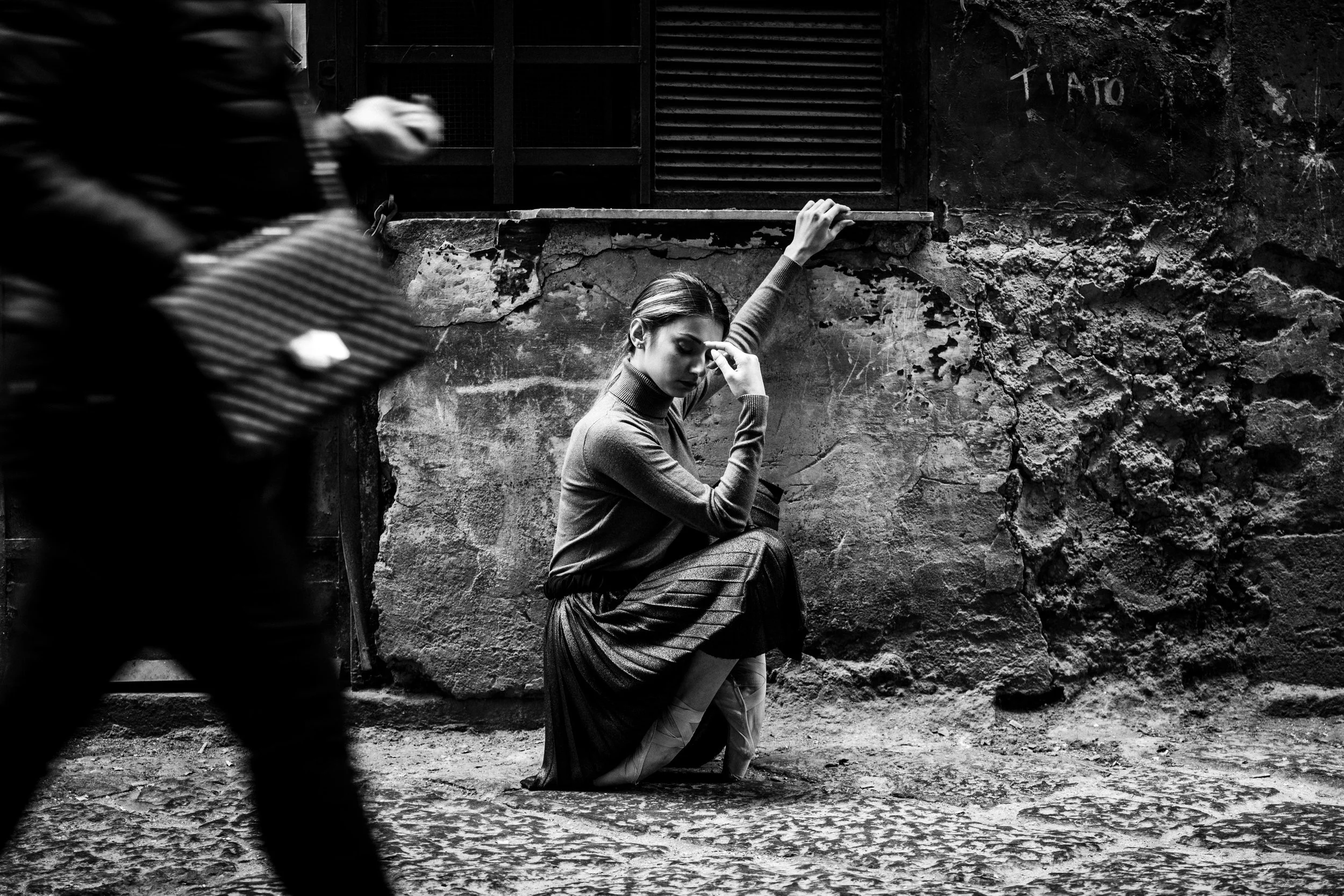
Naples, Italy · 2018
TASK 01 · DANCING NAPLES
The opening assignment challenged me to capture the essence of Naples while incorporating a ballerina into the photograph. It was my first opportunity to translate a brief into a single image under the pressure of the competition.
TASK 03 · WHITE LANDSCAPE
The Dolomites provided the setting for an assignment exploring nature and the importance of preservation.
Rather than simply recording the beauty of the mountains, I approached the landscape as an opportunity to experiment with abstraction, movement and atmosphere.
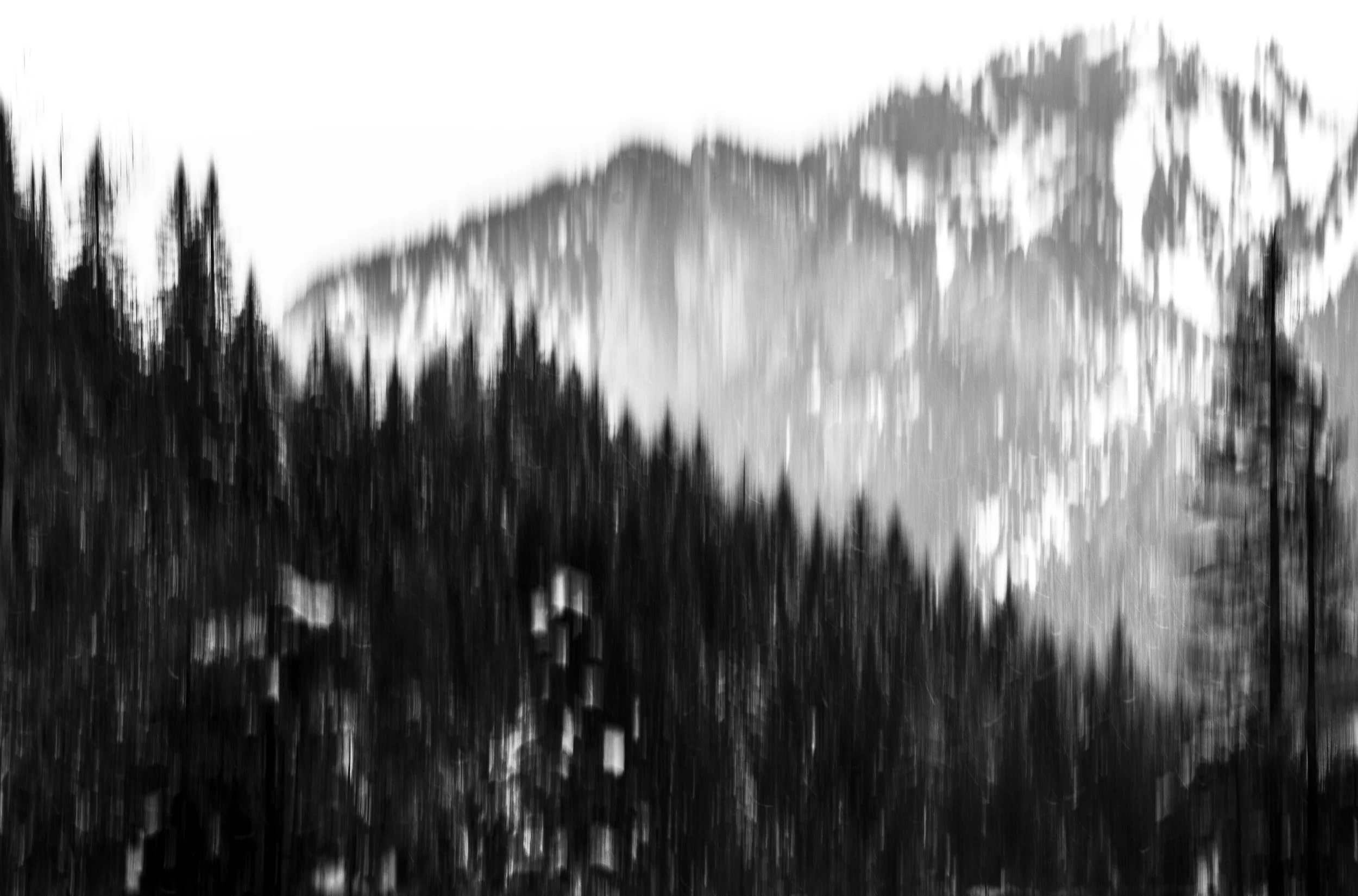
The Dolomites, Italy · 2018
TASK 05 · GENDER IDENTITY
For this assignment, I documented the life of a transgender woman living in Naples, exploring her identity, family relationships and the challenges of being herself in a traditionally conservative part of southern Italy.
She was also a social media influencer, creating content around makeup and fashion. I photographed her through a doorway as she worked in the privacy of her bedroom, offering a glimpse into the personal space behind the public persona.
One of the most meaningful parts of her story was her relationship with her father. Having initially struggled to accept her identity, he began writing her a letter every month, expressing his love and apologising for his earlier rejection.
He would even visit local department stores to buy makeup for her to review on Instagram — a small but powerful gesture of acceptance and support.
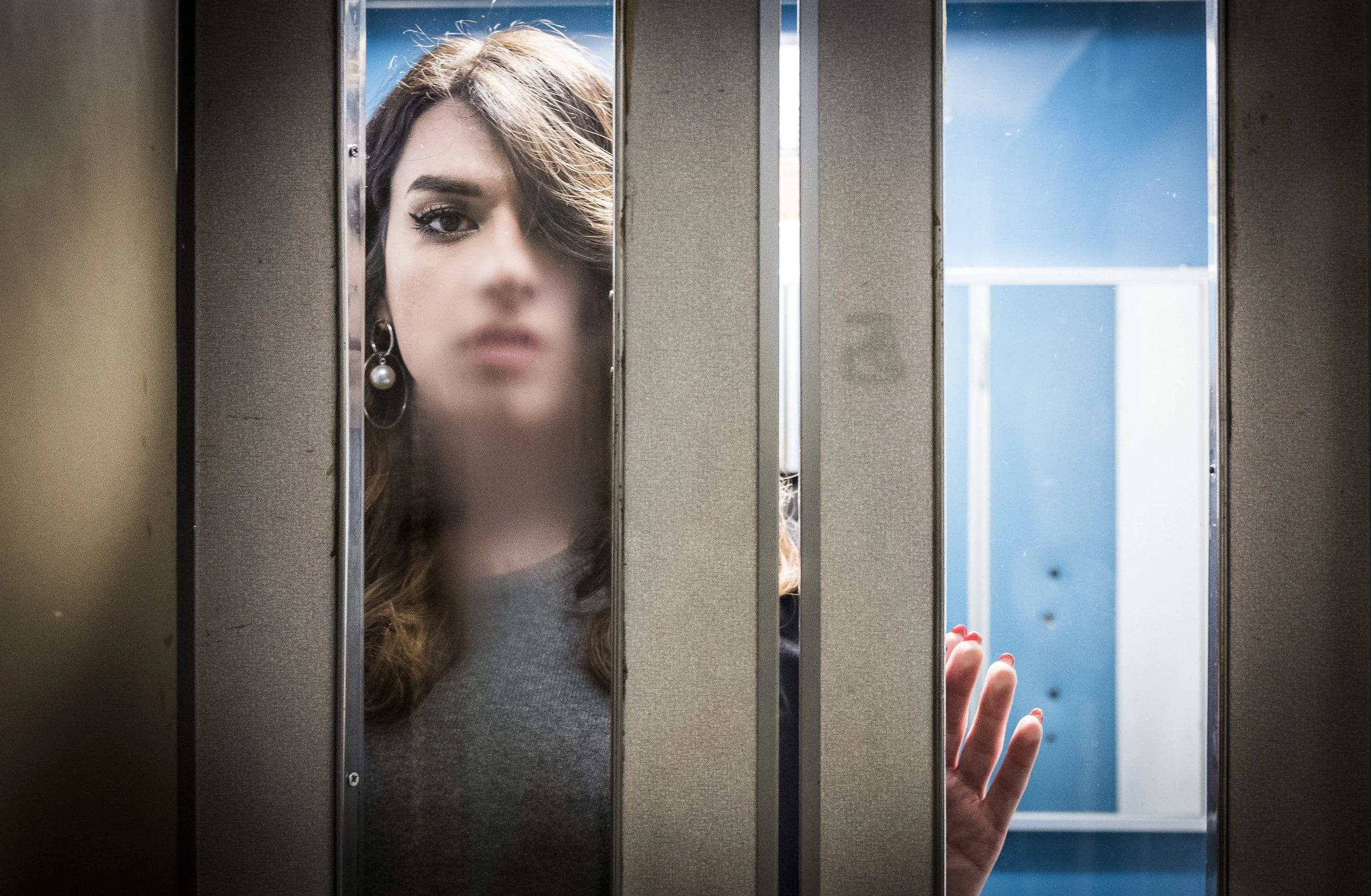
An intimate portrait from a documentary series exploring gender identity in Naples, Italy · 2018.
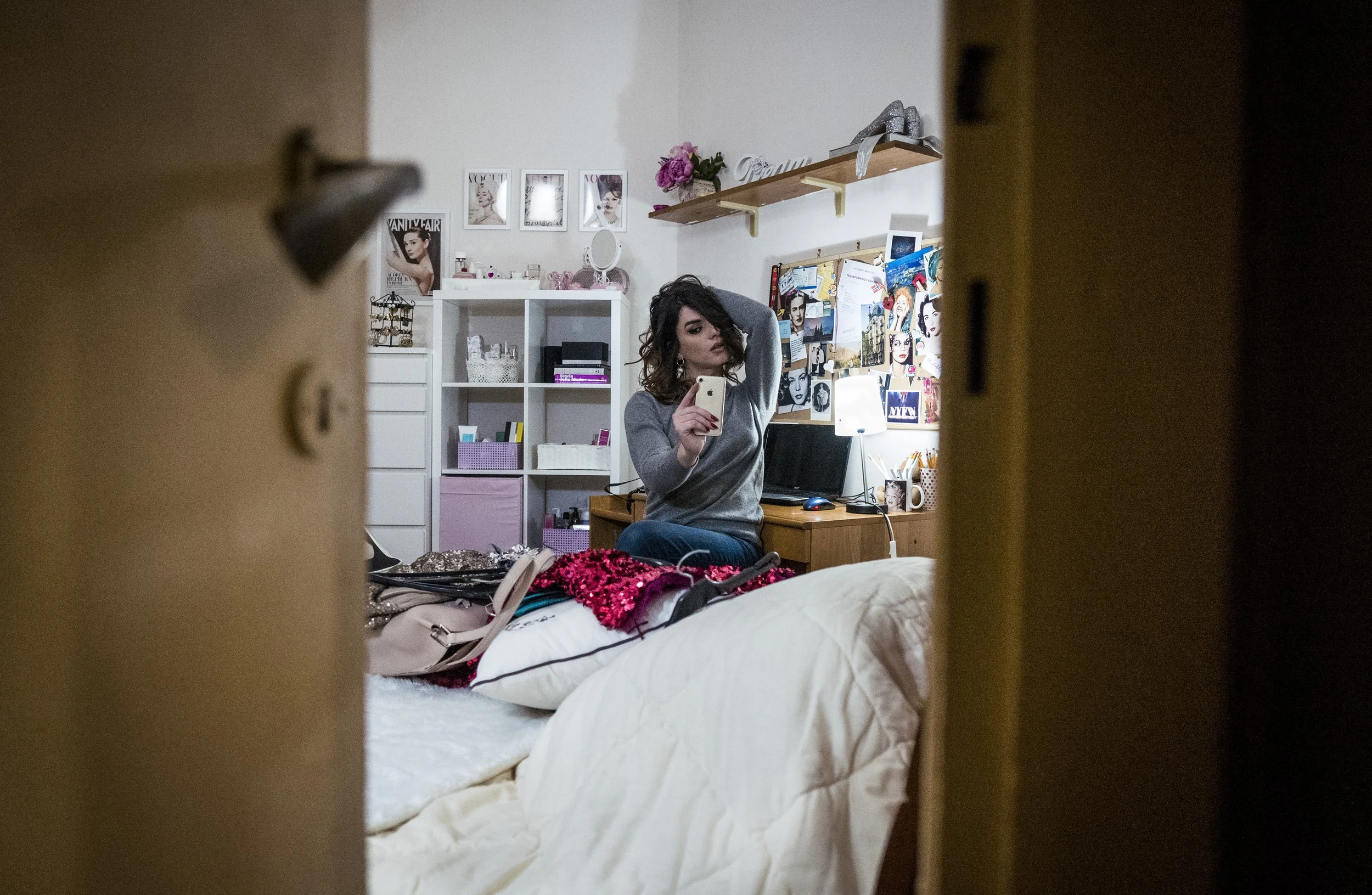
Behind the public persona — creating makeup and fashion content in the privacy of her bedroom.
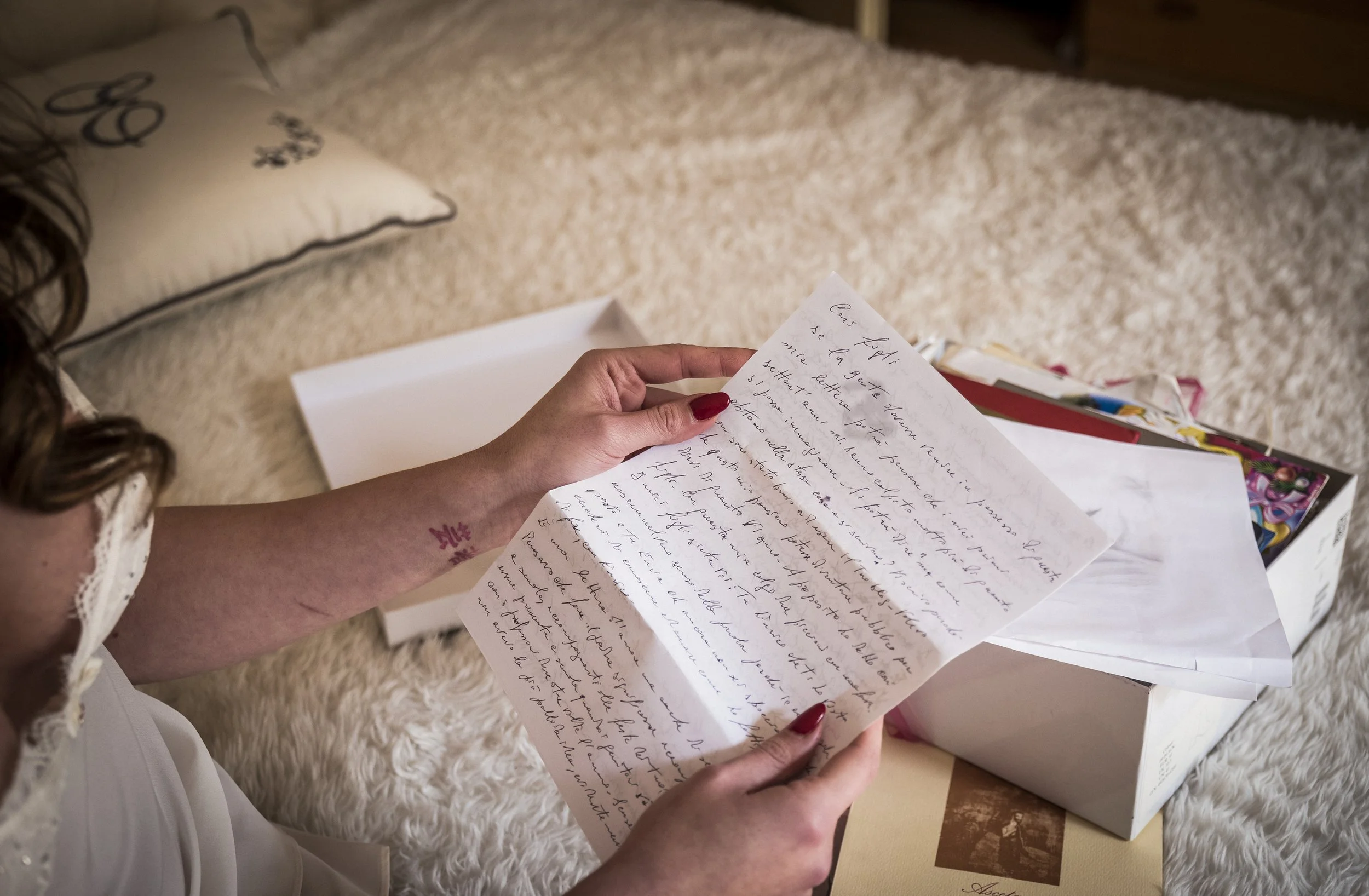
A letter from her father, part of their ongoing correspondence as he sought to rebuild their relationship through love and acceptance.
My challenge was to communicate these different dimensions of her life through just three photographs.
TASK 06 · WORLD'S STRONGEST PEOPLE
For this assignment, I documented a man competing in international strongman competitions, exploring what it takes to perform at the highest level.
Beyond the physical strength were the demands of training, maintaining a strict diet and managing serious injuries. I wanted to look beyond the spectacle of competition and reveal the discipline and sacrifice behind it.
One of the most revealing moments came at his apartment, where he had installed a small, one-person sauna on his balcony to help with recovery.
It was an unexpected setting, far removed from the gym or competition arena, but it offered an insight into the lengths he went to in maintaining his body.
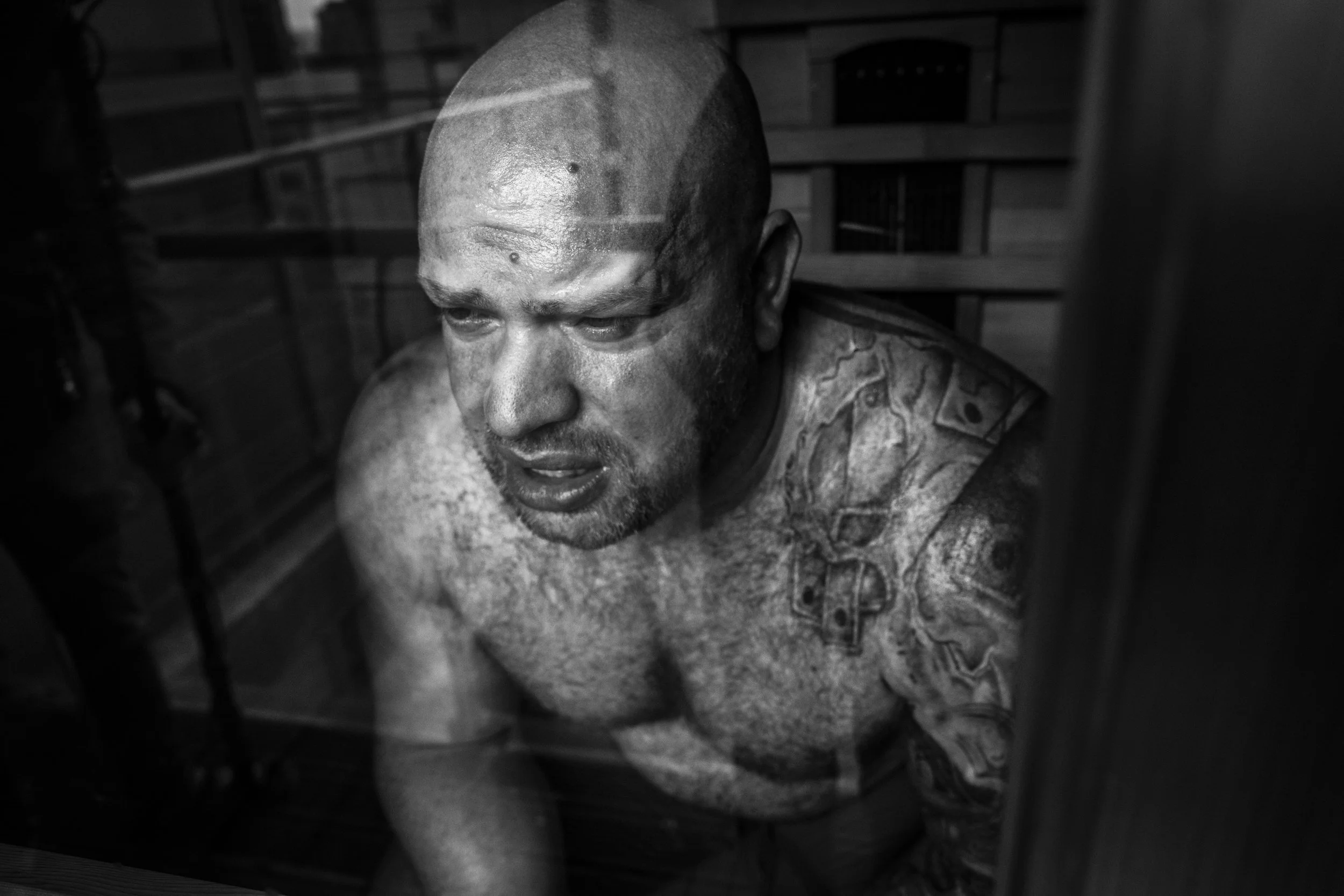
Recovery between competitions. A one-person sauna installed on the balcony of his apartment · 2018.
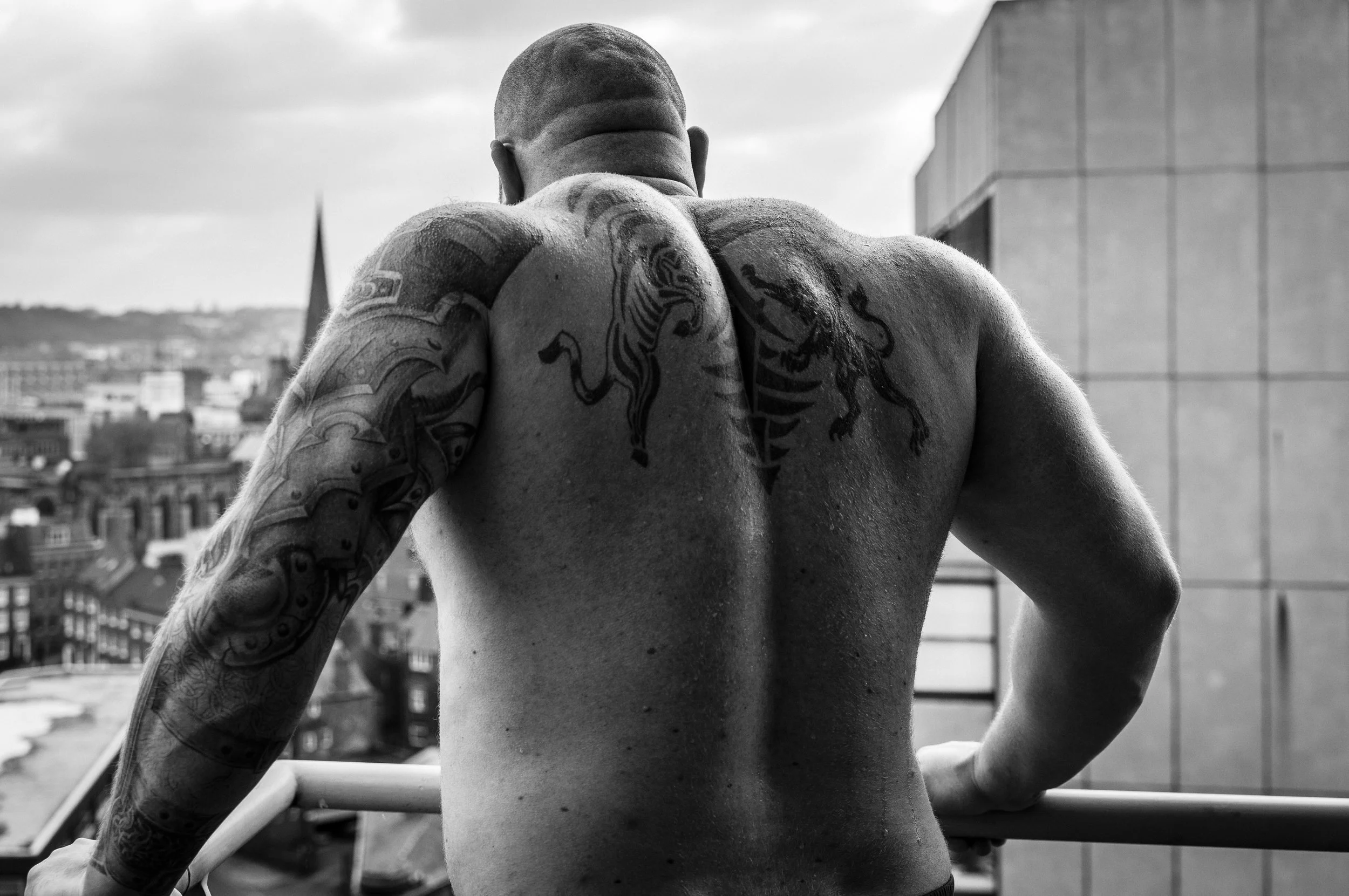
The physical demands of competing at the highest level · 2018.
Looking back, I believe the photograph I made of him in that sauna was the image that kept me in the competition.
TASK 07 · HOME SWEET HOME
For this assignment, I was asked to reveal something of myself — my family, where I came from and the life I had built.
Until then, my photography had largely been about observing the world around me. As photographers, it's easy to remain behind the camera, revealing very little of ourselves. This time, I had nowhere to hide.
We were flown back to England from the production studios in Rome during one of the coldest periods I can remember. Snow covered the streets of East London as I returned to the neighbourhood where I had grown up.
I was born in Plaistow and raised in a small Victorian house in East Ham, where my family lived until 1980.
For my self-portrait, I deliberately wore the suit I would normally wear to work. Standing outside my former family home, I wanted to connect the boy I had been with the man I had become.
But home was also about the family I had built.
At the time, I was working long hours and often felt that, although I was part of family life, I wasn't always fully present.
For the final photograph, I used a long exposure to move through the room, pausing at different points around my wife, daughter and son. The resulting ghost-like figures were created entirely in-camera, without compositing.
It was one of the most technically challenging photographs I attempted during the competition. Even the film crew seemed to think I was mad to try it in the time available.
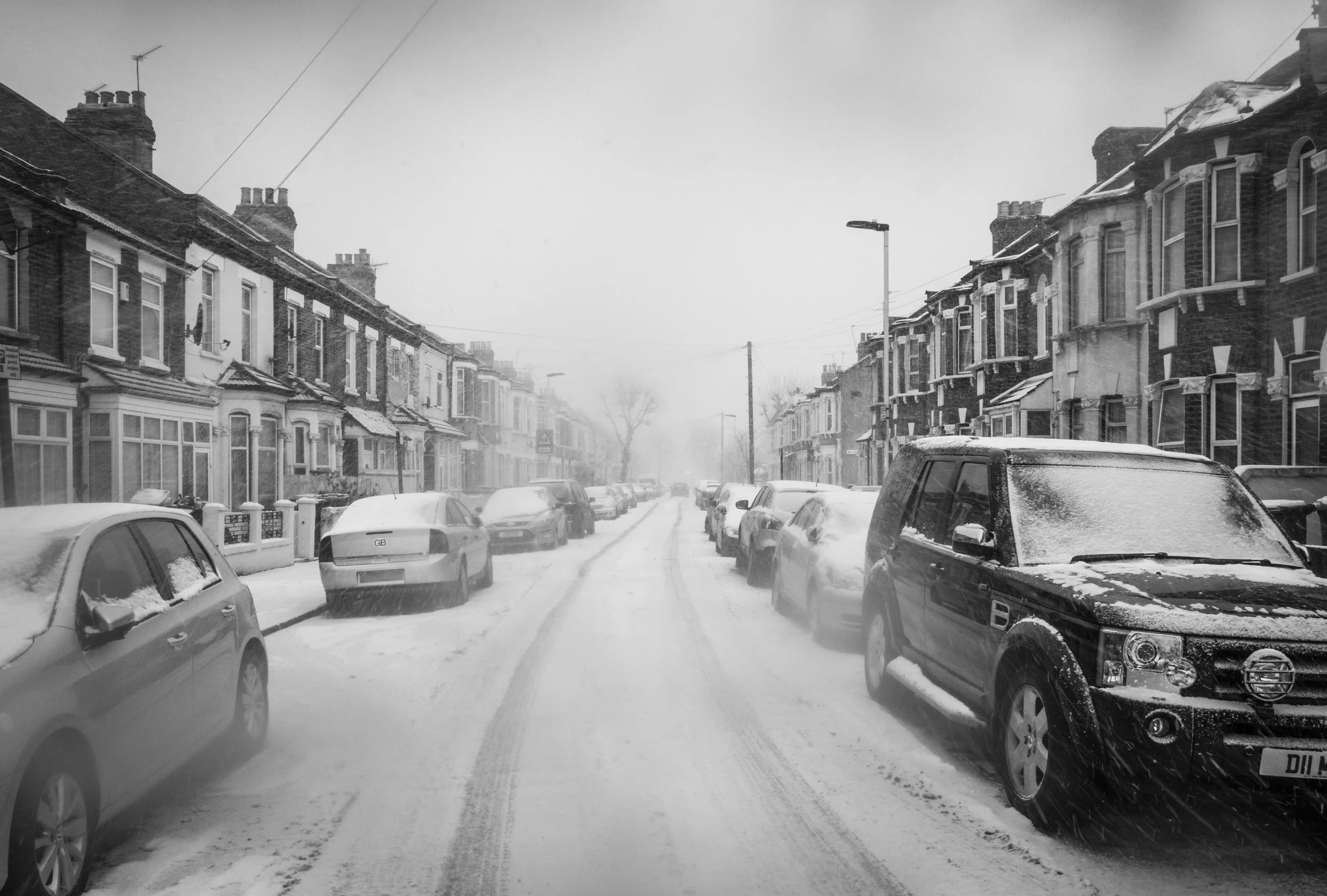
The East London street where I grew up, photographed during the winter of 2018.
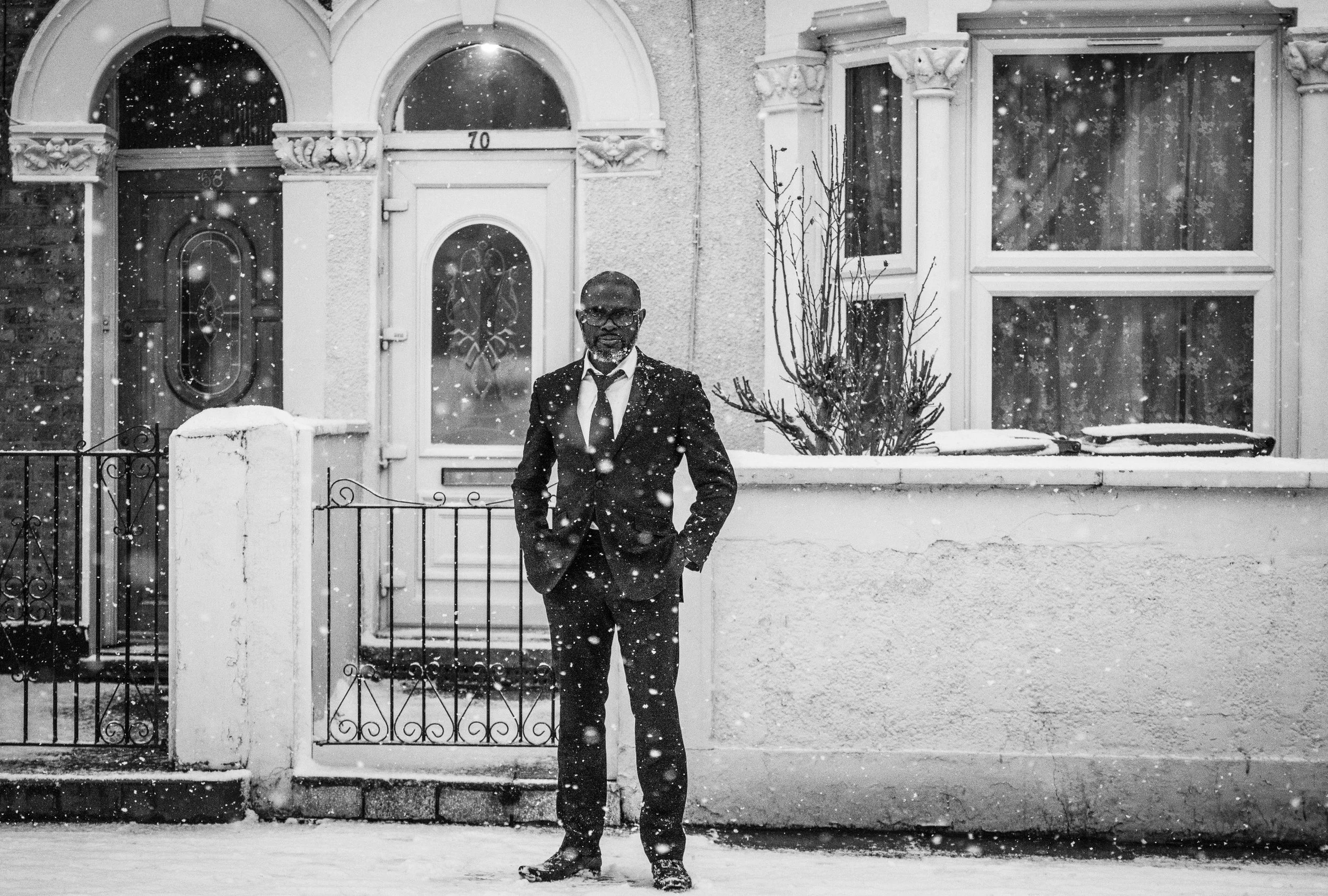
Self-portrait outside my former family home in East London, wearing the suit I would normally wear to work · 2018.

A long-exposure family portrait exploring the feeling of being present and absent. Created entirely in-camera · 2018.
But I wanted the photograph to communicate something I couldn't easily explain in words: the feeling of being present and absent at the same time.
TASK 08 · SANCTUARY
Four hours to tell a story
For the final assignment, we were given our brief the night before filming. Early the following morning, we travelled to Barnsley in Yorkshire, where I had just four hours to produce a photographic story exploring the meaning of sanctuary.
I had very little time to prepare. During the journey back to England, I tried to research what I could about asylum seekers, but nothing could have prepared me for the conversations I would have when I arrived.
I met a group of young men living together in shared accommodation. They had travelled across countries and continents, leaving behind difficult and, in some cases, harrowing circumstances in their home countries.
Some had been separated from their families. Others were understandably cautious about sharing details of their journeys, concerned that doing so might place loved ones back home at risk.
I quickly realised that this assignment required more than finding five strong photographs.
It required sensitivity, trust and an understanding that some stories cannot, and should not, be told without considering the consequences for the people involved.
The story behind the photographs
One of the men had established a football team with others living in the house.
What began as a shared interest had developed into something much more meaningful. With support from the local community, the team began participating in football competitions, creating friendships and a sense of belonging in a place that was becoming their new home.
What struck me was the welcome they had received.
At a time when immigration and asylum were already subjects of intense political debate, I was witnessing something that challenged the often hostile narratives surrounding people seeking refuge.
These young men weren't being treated as outsiders by the people supporting them. They were becoming part of the community.
Football had provided a common language.
It brought together people from different backgrounds, cultures and experiences through something they could all understand.
For me, sanctuary wasn't simply about finding somewhere safe to live. It was also about finding somewhere you could begin to belong.
What my time at Barnsley taught me
I left Barnsley with more than the photographs I needed for the competition.
Listening to those young men had given me a greater appreciation of the sacrifices people make in search of safety and the responsibilities involved in documenting their experiences.
It also restored something of my faith in humanity.
I had witnessed people opening their community to others, offering friendship and support without allowing differences in background or nationality to become barriers.
And I began to understand that photography could do more than document what was happening.
It could also be a form of advocacy — helping people see the humanity behind stories too often reduced to political arguments.
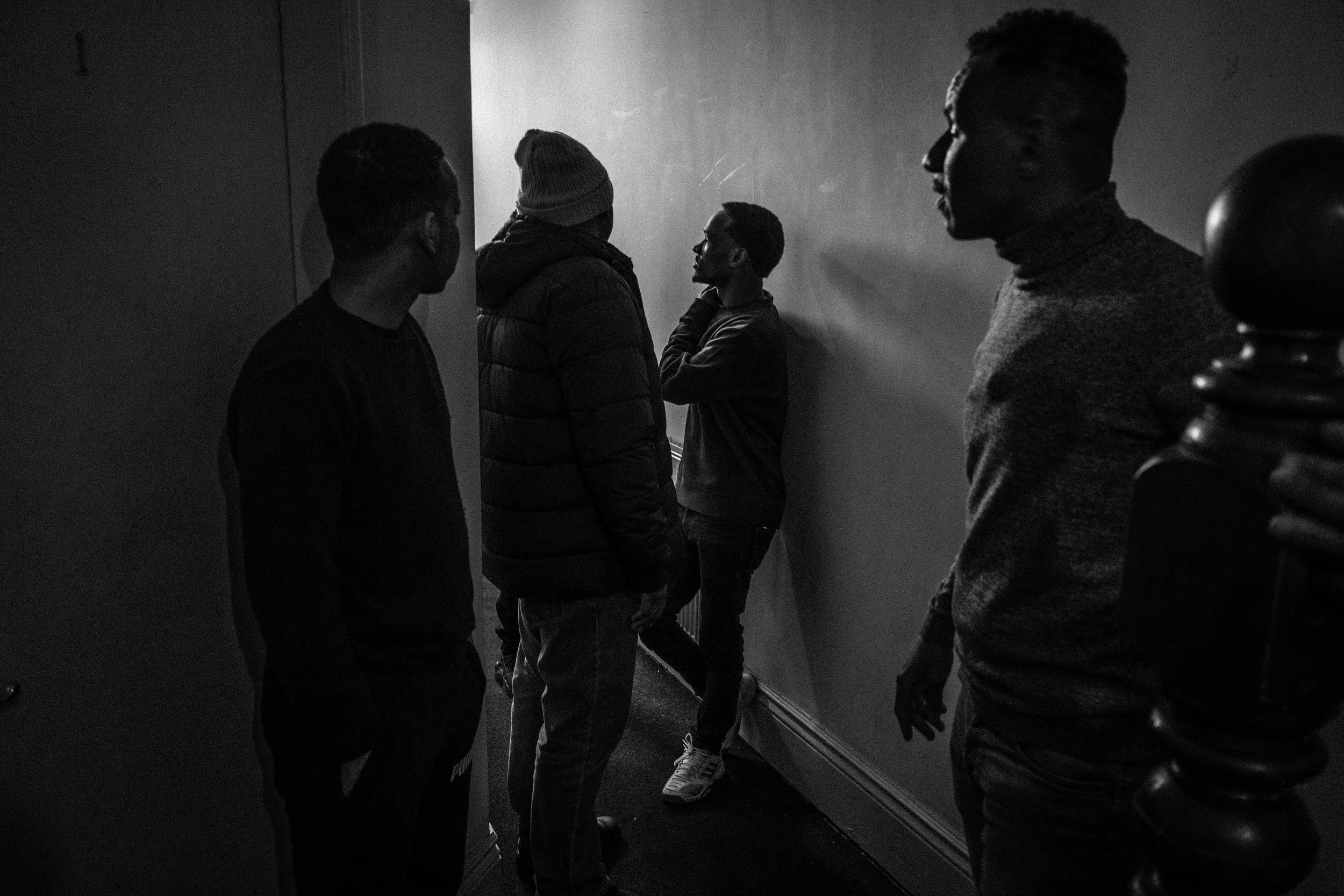
Shared accommodation, Barnsley · 2018
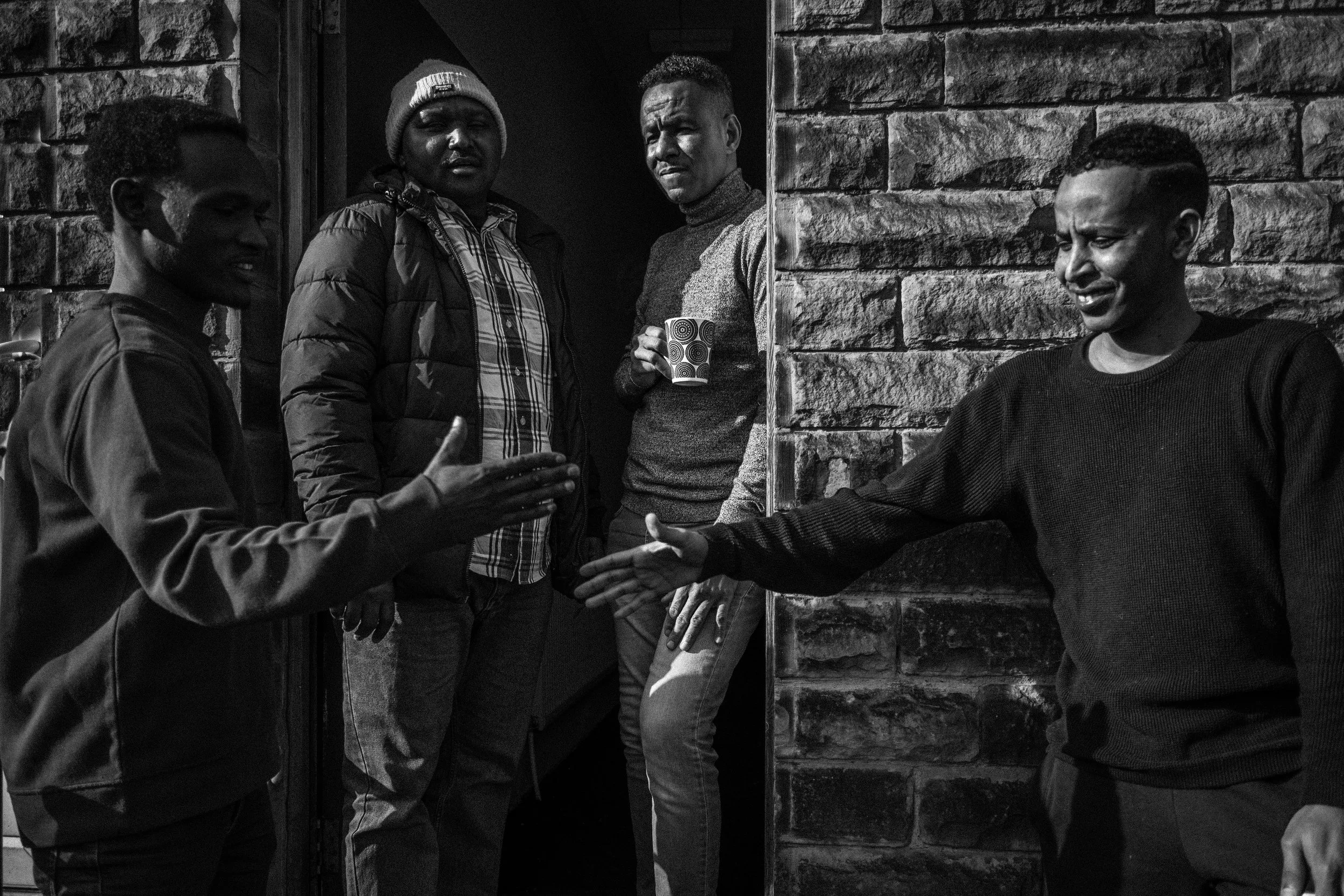
Friendship and community, Barnsley · 2018
Sanctuary through football, Barnsley · 2018
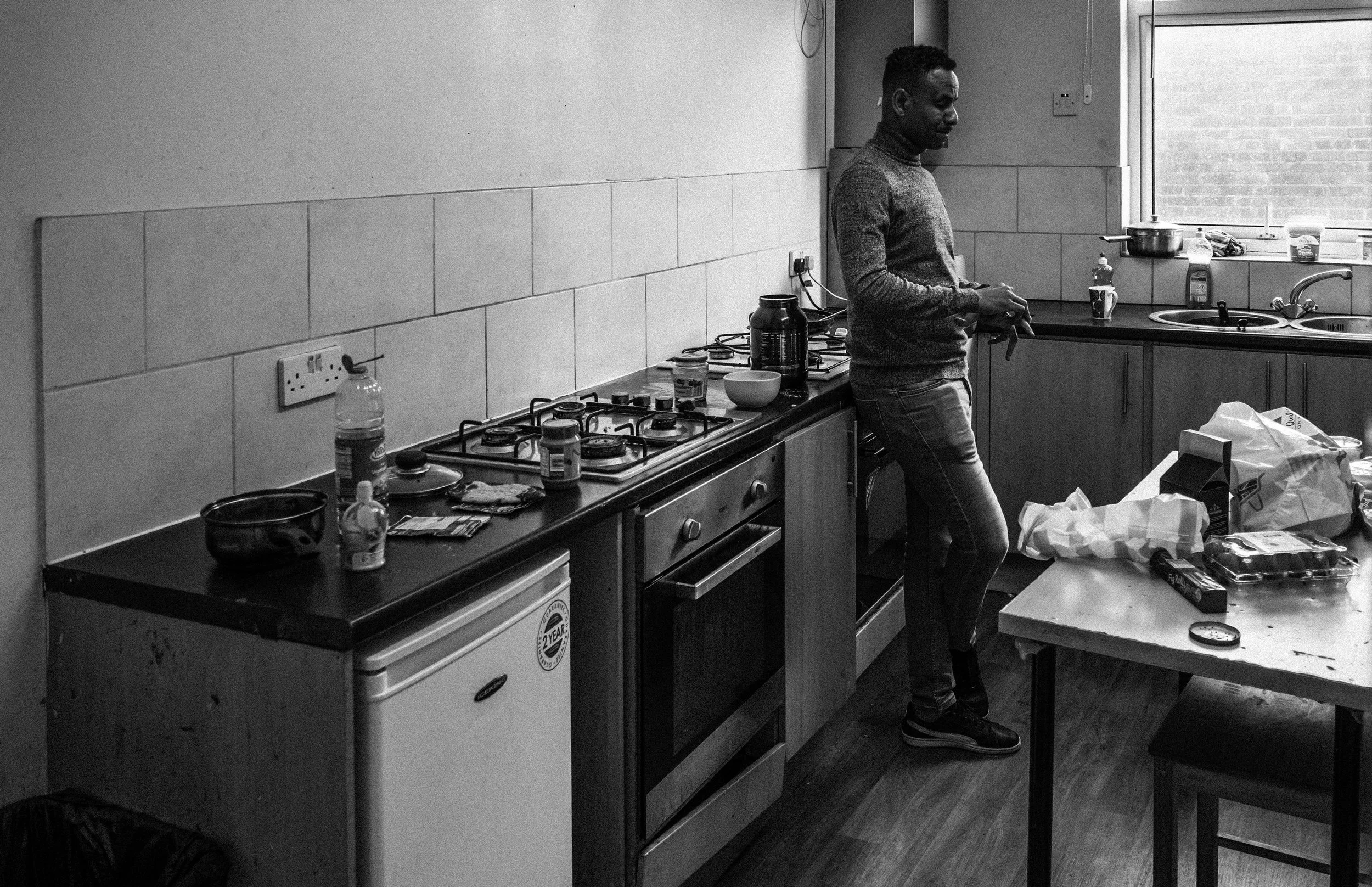
Everyday life inside the shared house, Barnsley · 2018
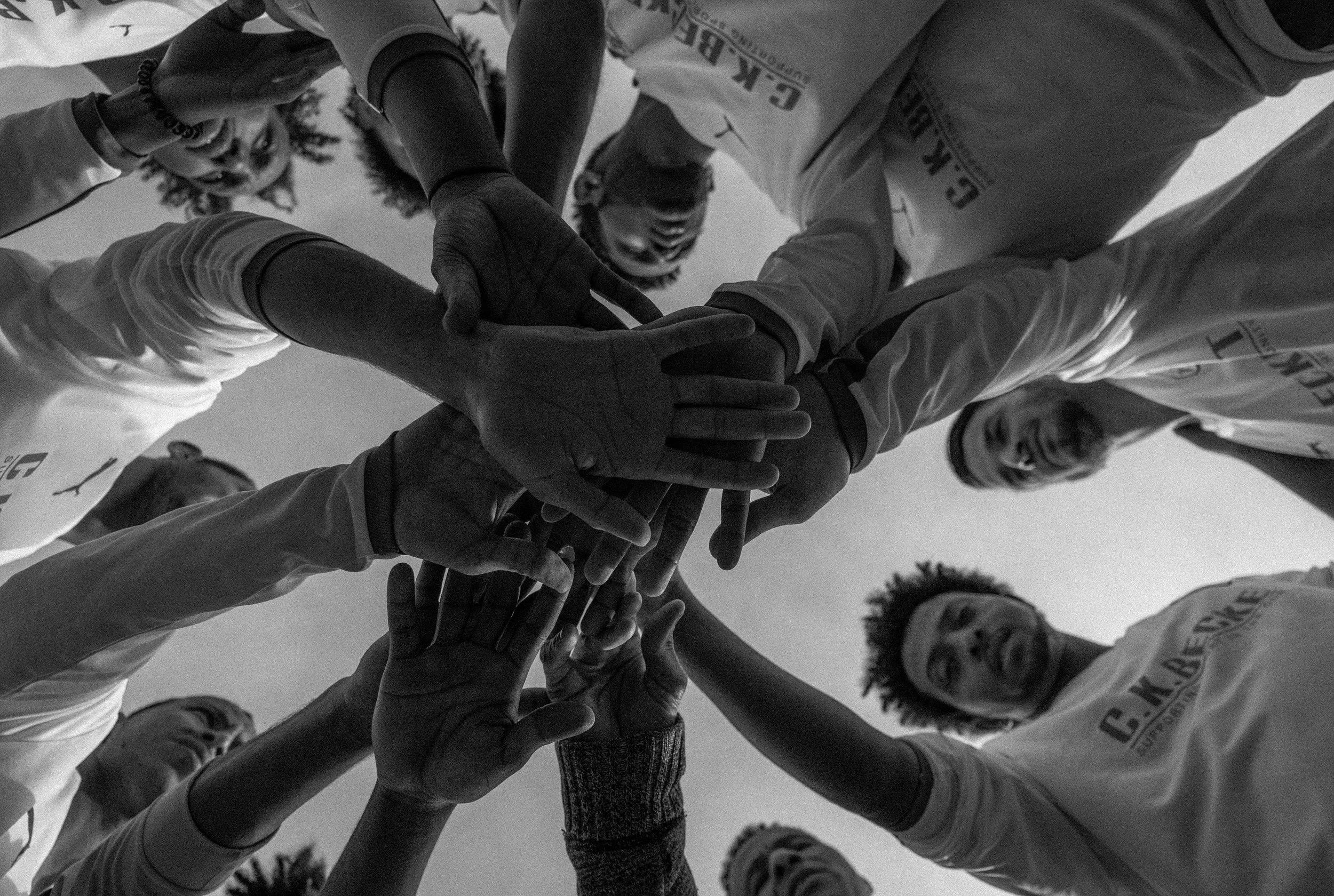
A shared sense of purpose. Football as a means of belonging · 2018
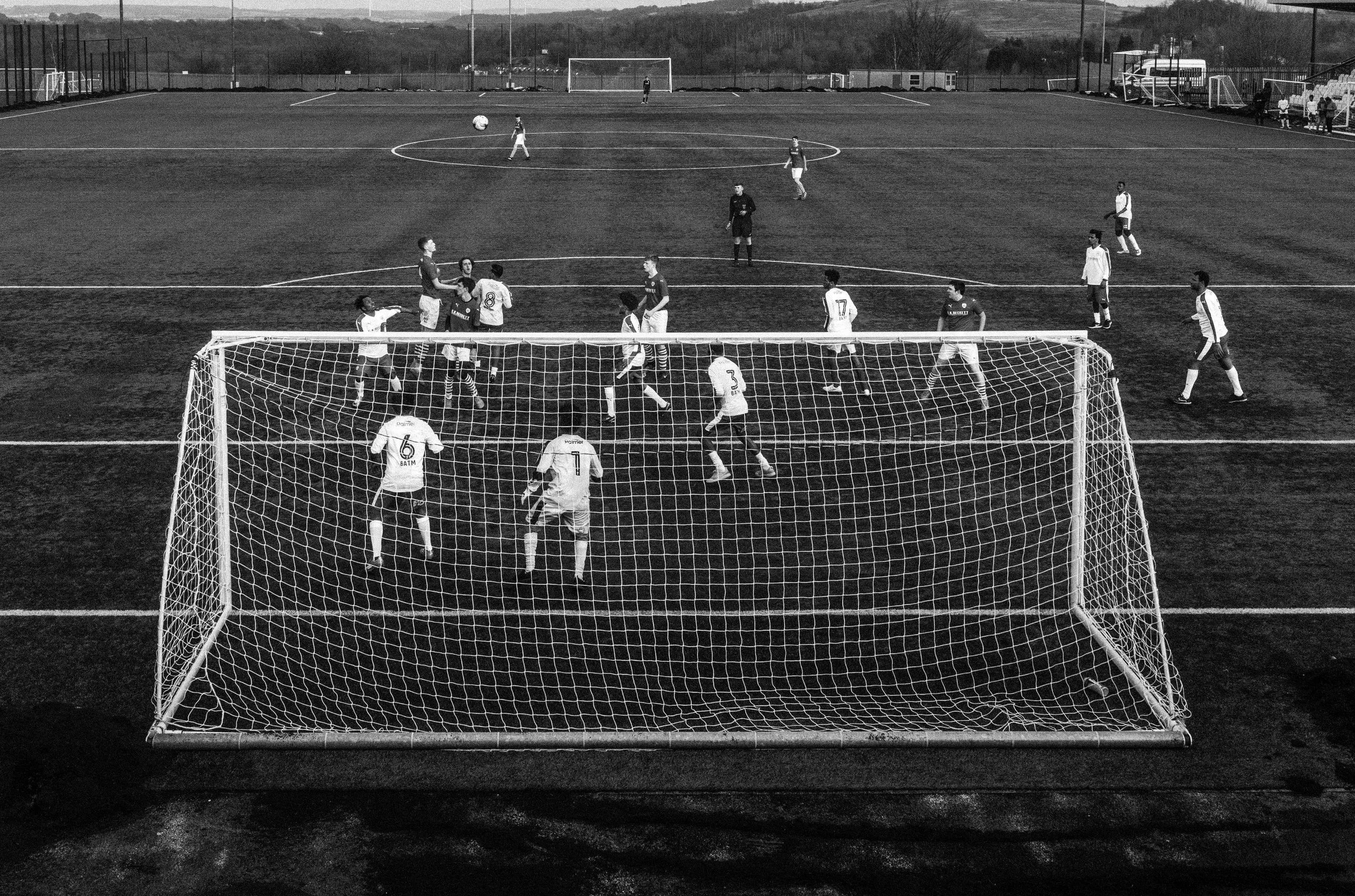
BEYOND THE COMPETITION
Finding my voice
When I look back at Sky Arts Master of Photography in 2018, I sometimes wonder how I managed to get as far as I did.
Getting onto the programme was an achievement in itself. I was selected from a reported field of more than 100,000 applicants to become one of ten contestants, competing alongside talented photographers from different countries and backgrounds. Some were already working professionally.
I was also the oldest contestant.
Until then, most of my photographic experience had been in street photography. Suddenly, I found myself competing against photographers with different skills and specialisms, being asked to produce work in unfamiliar environments, often with very little preparation.
I knew I would have to draw on more than my ability to operate a camera. I would need my life experience, instincts and a considerable amount of self-belief.
And there were moments when that self-belief was tested.
The pressure behind the photographs
Living away from home and my family, based at the production compound in Rome, was an experience in itself.
The days could be intense. We were constantly moving between assignments, travelling to unfamiliar locations, producing photographs under extraordinary time constraints and then facing the judges.
There were moments of laughter, but there were tears too.
The production team and crew were brilliant throughout. They were supportive, encouraging and professional, but there were inevitably times when the experience felt isolating.
As a photographer, much of the work happens inside your own head. You are constantly questioning decisions, imagining possibilities and wondering whether the photograph you are trying to make will actually work.
I remember coming away from some of the judging sessions asking myself:
How the hell did I survive that one?
There were occasions when I genuinely believed I could have been on the next plane home.
But somehow, assignment after assignment, I kept going.
And with each challenge, I began discovering something new about myself.
When the story became more important than the competition
Two assignments stand out when I think about what the experience taught me. Gender Identity and Sanctuary took me into people's lives in ways I had never experienced before as a photographer.
In Naples, I was trusted to document the personal story of a transgender woman navigating identity, family relationships and acceptance. In Barnsley, I listened to young men who had travelled across countries and continents seeking safety, leaving behind families and lives they could no longer return to.
These weren't simply subjects for a television competition. They were people who had trusted me with their stories.
Both assignments challenged me to think more carefully about my responsibilities as a photographer. They taught me the importance of listening, building trust and understanding what a photograph might communicate beyond the immediate moment.
I remember feeling that, regardless of what the judges thought of my submissions, those experiences had already made me a better photographer.
More importantly, they had made me a better storyteller. That realisation would stay with me long after the competition ended.
Reaching the final three
I never expected to reach the final. At the beginning, simply surviving the first assignment had seemed like a significant achievement. To find myself among the final three photographers was something I could hardly have imagined. Of course, I wanted to win. We all did.
But by the time the competition reached its conclusion, I had gained something that went well beyond the possibility of winning €100,000. I had tested myself against talented photographers, worked in situations I would never have encountered otherwise and discovered abilities I hadn't fully recognised in myself. I had also formed friendships with fellow contestants that have lasted to this day.
We had shared something unusual: the pressure, uncertainty, excitement and occasional absurdity of making photographs while the cameras were rolling. We understood what each other had been through.
And although we were competitors, we had also become friends. I was proud to have reached the final alongside photographers whose careers would continue to develop in remarkable ways.
The lessons that stayed with me
One of the most valuable relationships to emerge from the experience was with Dr Mark Sealy of Autograph, who was one of the judges. Our conversations helped me think more deeply about photography and visual storytelling.
I began questioning not simply whether an image was visually successful, but what I was actually trying to say.
Why was I making this photograph?
What did I want someone looking at it to understand?
Whose story was I telling, and what responsibility came with telling it?
Those questions have become increasingly important to my work. Looking at the documentary projects I've undertaken since 2018, particularly those exploring community, identity, culture and resistance, I can see how much that experience helped shape my approach. The competition had pushed me far beyond the street photography I knew. It had challenged me technically, creatively and emotionally.
But perhaps its greatest lesson was that I didn't need to become somebody else to succeed as a photographer.
I needed to recognise the value of the person and experiences I already brought to the camera.
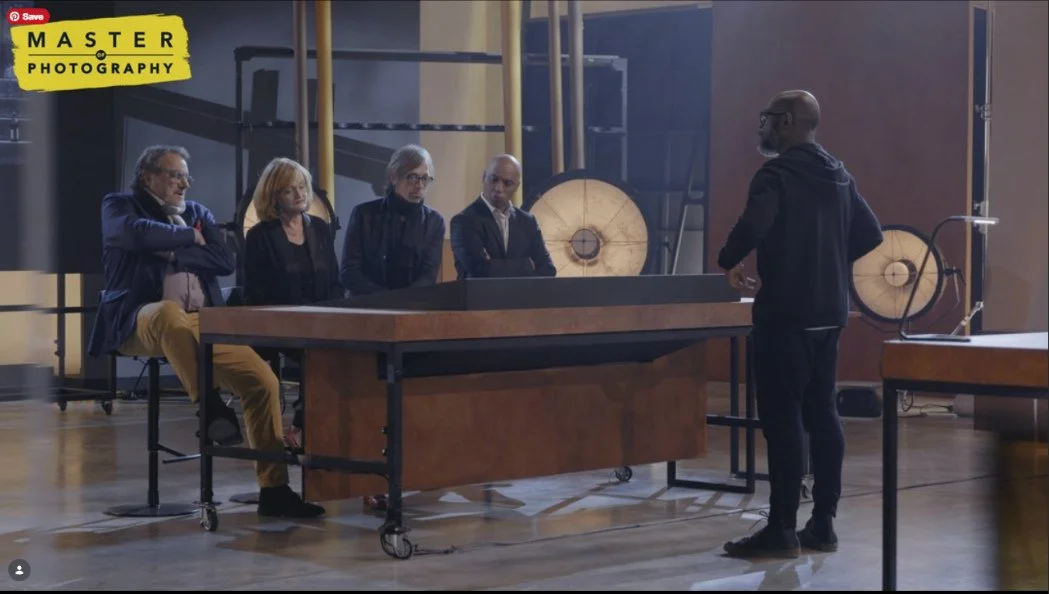
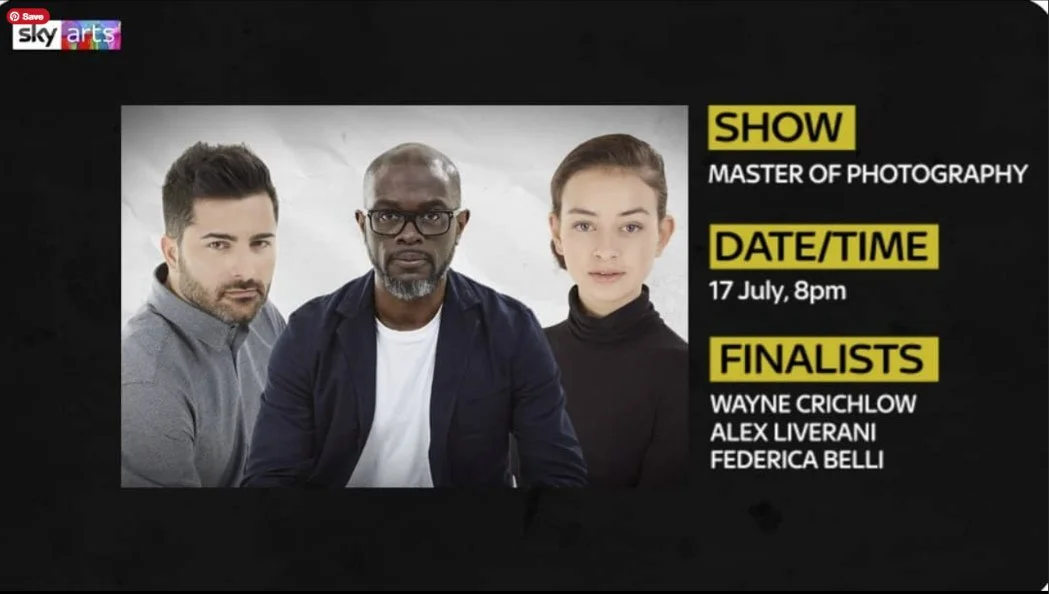
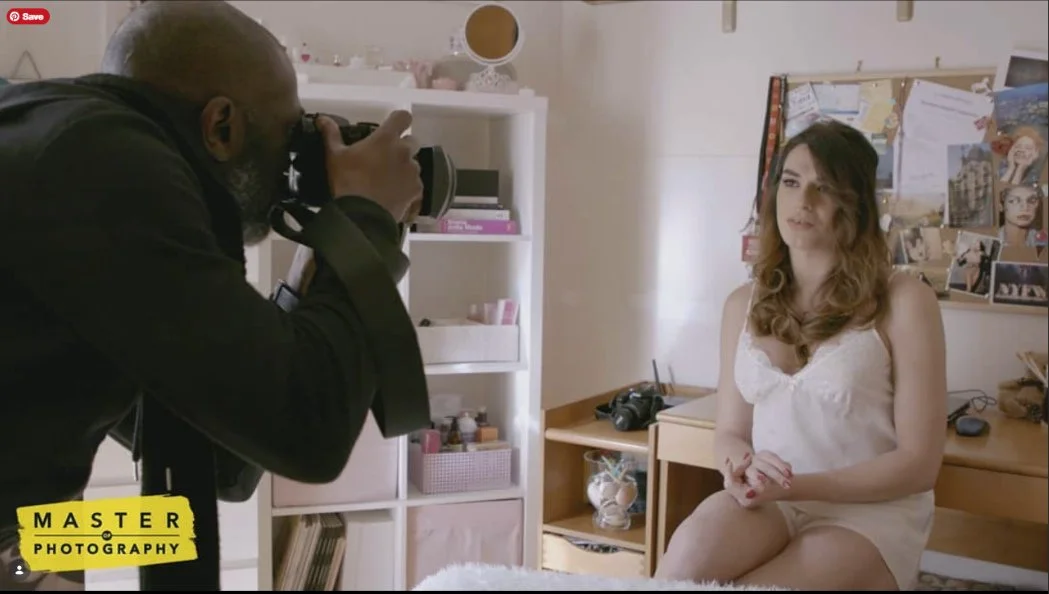
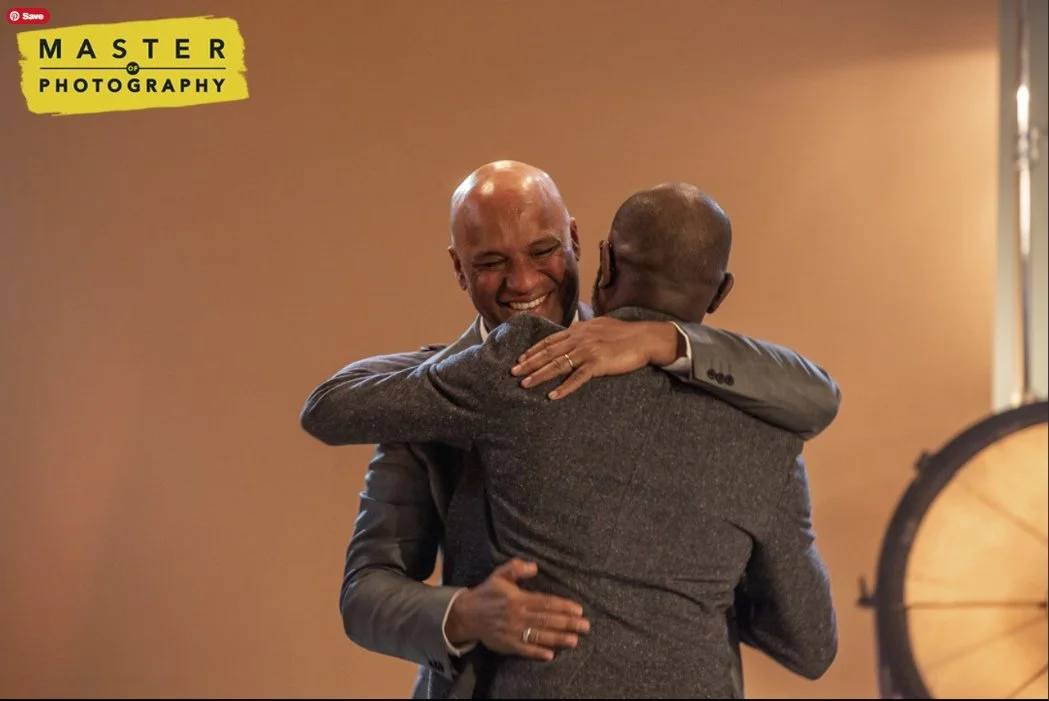
Programme and behind-the-scenes imagery: Sky Arts Master of Photography, 2018.
I didn't win the €100,000 prize.
But I left Master of Photography feeling far richer than when I arrived.
Not because of how far I had progressed in the competition, but because of everything I had discovered about myself, the people I had photographed and the kind of storyteller I wanted to become.
— Wayne Crichlow